dailynewsnblog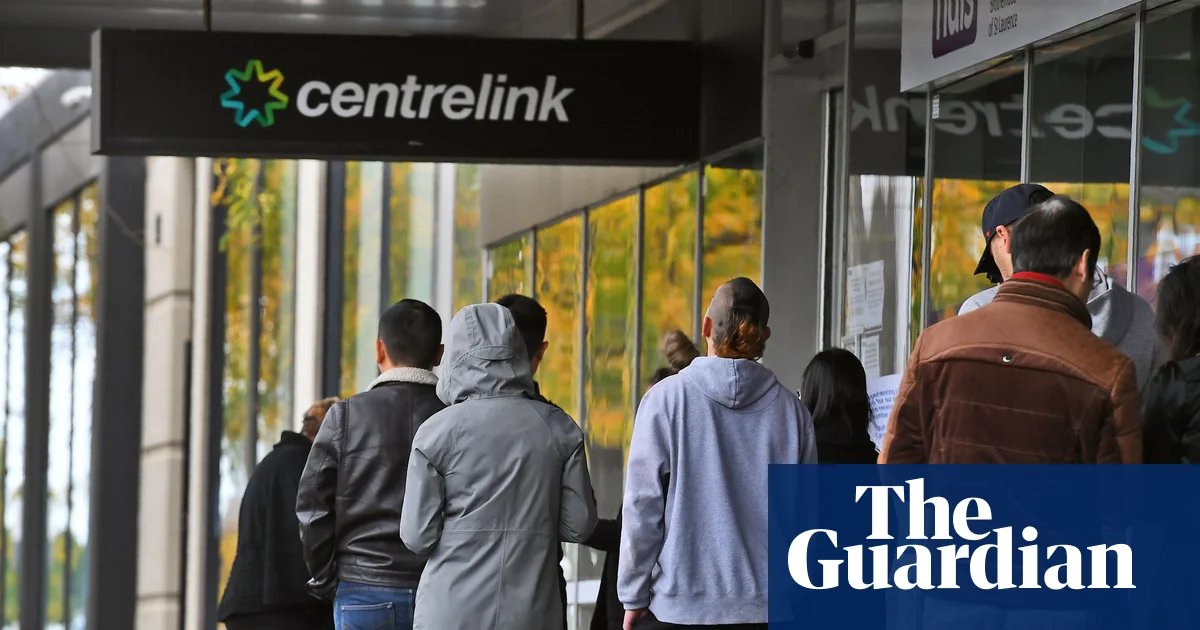
The whistleblower’s message landed just before Christmas.
It was 2016, now a distant memory.
I’d spent the previous three weeks reporting on problems with Centrelink’s new automated debt recovery system – a system Australia now knows as robodebt.
The whistleblower was nervous.
They worked in Centrelink’s compliance team. They had been tasked with reviewing debts spat out by the crude, illegal system and found only a fraction were genuine.
It contrasted starkly with the government’s line. Ministers and their spinners had spent the past fortnight telling anyone who would listen that our reporting was wrong. There were no problems with Centrelink’s debt recovery system, the government said. The agency was using the same process it always had.
But the whistleblower told us the government was lying. Worse, the lies were allowing this new debt recovery process to continue wreaking havoc on some of the most vulnerable groups in Australia.
Speaking to me could have destroyed their career. It could have ruined their livelihood. Stretched their family. Strained their friendships.
It was a sense of justice that propelled that whistleblower to me.
That same desire has fuelled countless others in the almost decade since.
Victims, families of the dead, advocates, online campaigners, academics, lawyers, politicians and social services groups – they’ve all been clear-eyed about the need for justice.
At each stage in this sprawling tale, they’ve been left disappointed.
Robodebt was the great test of this nation’s accountability mechanisms. Repeatedly, they have failed.
Whether through the Commonwealth Ombudsman’s 2017 whitewash, which paved the way for an illegal scheme to continue, or the manner in which the government thwarted or hid legal challenges in the courts and administrative appeals tribunal, or the early, much-criticised decision by the National Anti-Corruption Commission not to investigate referrals made to it by the royal commission.
This week, the Nacc released its final report. It has done little to shake perceptions of an accountability black hole.
The 445-page report from the National Anti-Corruption Commission considered the involvement of five former public servants and the former prime minister Scott Morrison.
The report found two senior public officials to have engaged in corrupt conduct, but they will not be referred for charges.
The two individuals were former social services deputy secretary Serena Wilson and former human services department official Mark Withnell.
Wilson was found to have engaged in serious corrupt conduct by intentionally misleading the commonwealth ombudsman during an investigation in 2017.
Whithnell was found to have intentionally misled Department of Social Services (DSS) officers during the preparation of a cabinet submission about the proposed scheme in 2015.
The Nacc said it could not refer them for prosecution, because of a lack of “admissible evidence”. The body noted that “key admissions and statements made during this investigation are not admissible in criminal proceedings”.
The other four, including Morrison and former DHS secretary Kathryn Campbell, were cleared of corrupt conduct, with the Nacc diverging from the view of the royal commission in crucial criticisms of their conduct.
Campbell, the Nacc found, did not intentionally mislead cabinet by failing to tell them about income averaging in a policy proposal put to the powerful expenditure review committee.
Morrison, the Nacc found, should not be condemned for failing to realise that income averaging required legislative change to make it legal.
The departments were to blame for failing to advise him and other ministers of that fact, the Nacc said.
This is not the full-stop many wanted. The process has not restored the trust in government that was so fundamentally broken by robodebt.
And it has done little to reassure those like Jenny Miller, the mother of Rhys Cauzzo, who took his own life in January 2017 while facing Centrelink debts of about $17,000.
“It’s hard to describe because I feel like I’ve put aside nine years of my life and gotten nothing out of it at all,” she said after the report’s release.
“Like no accountability, no justice, no nothing.”