dailynewsnblog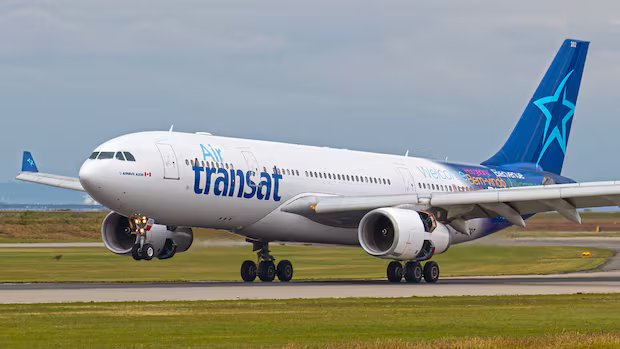

Listen to this article
Estimated 3 minutes
The audio version of this article is generated by AI-based technology. Mispronunciations can occur. We are working with our partners to continually review and improve the results.
Air Transat is charging more for flights to Europe as the soaring cost of jet fuel — triggered by an oil crisis that has emerged from the war in the Middle East — weighs on Canadian and international airlines.
“We have increased fuel surcharges on Europe. However, this is blended in the total price,” said Jean-François Pruneau, chief financial officer at the Montreal-headquartered airline, during the company’s first quarter earnings call on Wednesday.
“What we’re also doing is currently raising fares on peak travel dates and routes where we see less competition, where we have more flexibility,” he told investors.
Several international airlines have added fuel surcharges — an extra fee tacked onto airfare to cover unforeseen oil costs — to account for a spike in jet fuel prices since the U.S. and Israel attacked Iran on Feb. 28, the start of a regional war that has disrupted the global supply of oil.
Air New Zealand, Australia’s Qantas Airways and Scandinavian Airlines have all announced that they would be hiking passenger fares.
Japan Airlines said it has “no plans” to bring forward fuel surcharge changes before April 1, as it evaluates those costs over a two-month period.
Other international airlines, like Lufthansa and Ryanair, have confirmed that they have a hedging system in place to temporary lock fuel prices in.

The surge in fuel prices has challenged airlines, triggering ticket price hikes and upending global travel. Martin Firestone, travel insurance broker and President of Travel Secure, addresses concerns travellers may be facing.
Pricing adjustments ‘may be needed’: WestJet
Air Transat’s Pruneau told investors tickets that have already been sold can be repriced, and said that if the company were to raise fares immediately it would see “a negative impact on demand.”
Air Transat is also looking at other ways to save costs, “including restricting our expenses across the company to make sure that we’re going to be able to deal with that fuel spike,” he said.
The cost of jet fuel tends to be an airline’s biggest expense, and it has soared since the conflict began. According to a price tracker published by the International Air Transport Association, the cost of jet fuel skyrocketed 58.4 per cent between Feb. 27 and March 6, from $99.40 US to $157.41 US per barrel.
CBC News reached out to other several airlines, both Canadian and international, to ask how they would respond to the soaring cost of jet fuel.
While Porter has not yet responded, a spokesperson for WestJet said on Monday that the situation in Iran “has already made operating flights more expensive … based on this, it’s likely further pricing adjustments may be needed.” CBC News reached out with a followup.
Air Canada, meanwhile, is taking hedging positions “for a small portion of our short-term needs,” a spokesperson told CBC News on Monday. However, the airline declined to comment on future prices.