dailynewsnblog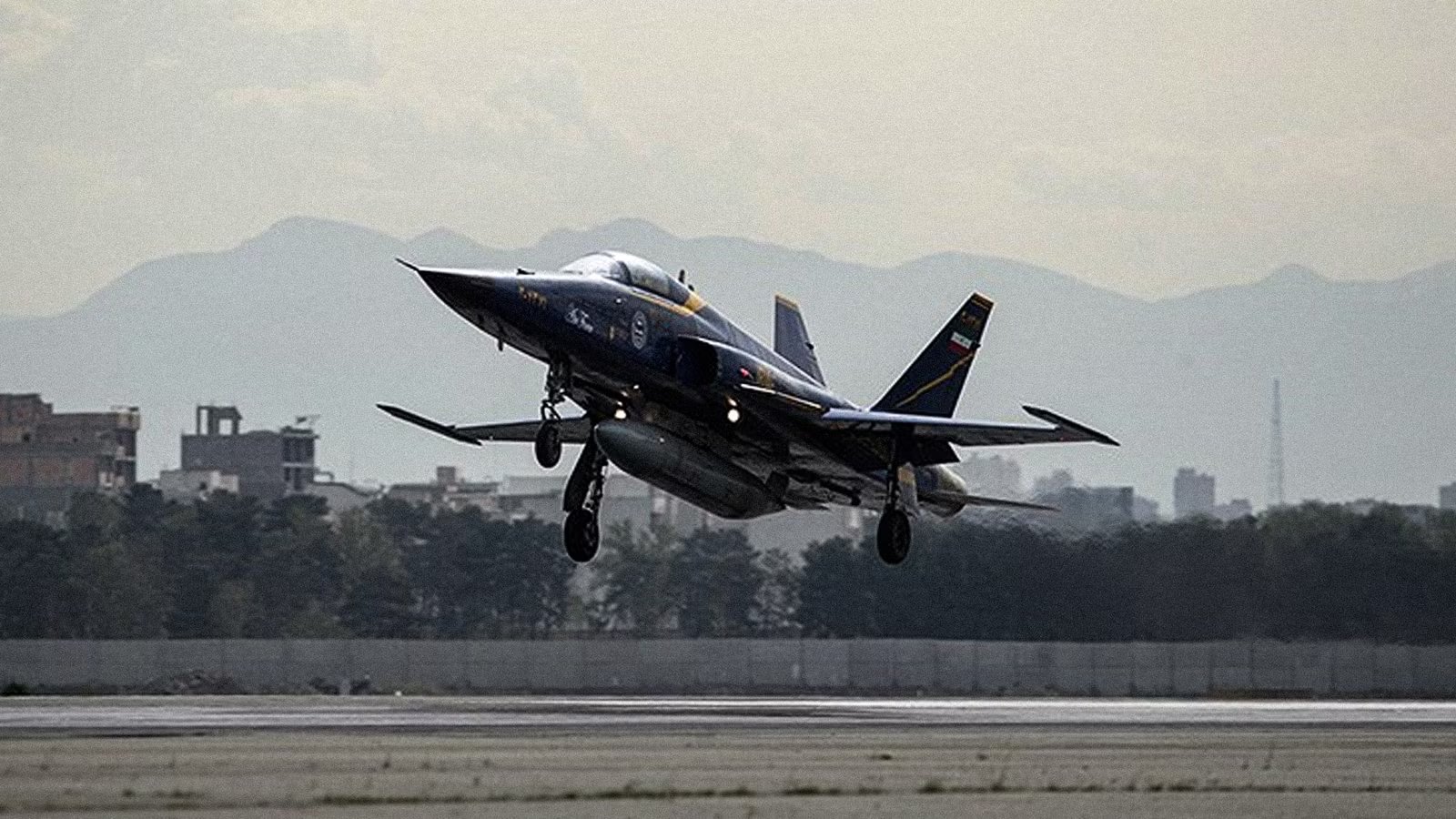
There is precious little public information about the Islamic Republic of Iran Air Force available on its inner workings or fleet inventory, but what is well known is that the majority of its most capable aircraft were made in America. The IRIAF inherited a large armada when the extremist theocratic rebels toppled the Shah of Iran, who had just negotiated a deal with the United States for a new air force fleet.
Since that time, there has been an iron curtain of sanctions placed against Iran by the United States and its Western Bloc allies. This not only cut off the nation from obtaining more modern aircraft but also forced it to cannibalize much of its inventory in order to keep a portion of the airframes airworthy. The few reports of IRIAF aircraft that sortied in response to US and Israeli forces during the attacks of Operation Epic Fury that began last weekend illustrate the low fleet strength.
Iran’s Dwindling Air Power

It is estimated that around 400 total airframes are possessed by the IRIAF, with about half being a mix of fighter jets, according to the World Database of Modern Military Aircraft (WDMMA). There are a few dozen transports and trainers, as well as a handful of helicopters and specialized patforms. The IRIAF’s readiness level is a subject of wide speculation but is considered very low relative to most modern forces.
Iran’s air forces are divided between the IRIAF and the Islamic Revolutionary Guards Corps Air Force (IRGCAF). The Washington Institute describes the IRGCAF as limited to close air support (CAS) and transport for the IRGC’s rapid reaction units. Their aircrews operate ten Sukhoi Su-25 Frogfoot jet attack planes and approximately 40 Embraer EMB-312 Tucanos turboprop attack planes as their main force. The IRGCAF also has a small fleet of transport jets and trainer aircraft.
The Islamic Republic of Iran Army (IRIA) aviation forces are also armed with a fleet of nearly 300 helicopters. According to WDMMA, the inventory includes 42 Bell AH-1J Cobra attack helicopters as well as 19 Boeing CH-47C Chinooks, and Mil Mi-8 gunships, among others. Again, the readiness level is unclear. Given that turbine and turbofan engines are the most difficult maintenance obstacle to the Iranian aerospace industry, it is expected to be low like the IRIAF.
The 2026 IRIAF Fleet

Compared to Western forces, the IRIAF lags by generations. Almost every single aircraft in the Air Force of Iran was built before 1979. International sanctions have created critical readiness issues, forcing widespread cannibalization of parts and reliance on a shadow fleet to maintain operations. Before the launch of Operation Epic Fury on Saturday, February 28, the IRIAF had begun a strategic pivot away from manned aircraft and toward drones and missiles.
The IRIAF is described by some as a ‘flying museum’ with most of its airframes receiving no updates in nearly five decades. Below is a full list of aircraft known to be possessed by the IRIAF, according to the WDMMA:
|
Airframe Name |
IRIAF Quantity |
|---|---|
|
McDonnell Douglas F-4 Phantom II |
63 |
|
Northrop F-5 Tiger II |
50 |
|
Grumman F-14 Tomcat |
41 |
|
Mikoyan MiG-29 |
24 |
|
Sukhoi Su-24 |
23 |
|
Chengdu F-7 |
17 |
|
Dassault Mirage F1 |
16 |
|
HESA Saeqeh |
12 |
|
Azarakhsh |
6 |
|
Kowsar |
4 |
|
FT-7 |
1 |
|
Yasin |
2 |
|
Yak-130 |
2 |
|
Saeqeh |
1 |
|
Bell 206 |
1 |
|
MFI395 |
25 |
|
Lockheed C-130 Hercules |
28 |
|
Ilyushin Il-76 |
5 |
|
Fokker F27 |
5 |
|
Pilatus PC-7 |
34 |
|
Pilatus PC-6 |
13 |
|
Boeing 707 |
9 |
|
Boeing 747 |
9 |
|
Lockheed P-3F |
5 |
|
Falcon 50 |
1 |
|
Agusta-Bell 212 |
1 |
|
Bell 202 |
1 |
|
Boeing CH-47 Chinook |
2 |
Iran focuses almost purely on border defense and deterrence. Although some of its forces are used for transport, power projection, and support of allies in the region, those operations are very limited. In fact, the IRGC enlists the civil airlines, like Mahan and Iran Air, of Iran to support these operations more than it relies on true military transport. These passenger carriers are not much better off with their supply chain relying on smuggled parts, ‘hijacked’ secondhand jets, and cannibalization.

Aircraft Casualty: Iran Air Airbus A319 Destroyed In Airport Bombing
The jet involved was 24 years old, and had been parked since Saturday.
Iranian Aerospace Against The Wall

The IRIAF’s structure is a direct result of its defensive doctrine. Due to budget constraints and sanctions, Iran has prioritized keeping its ‘teeth’ (fighters) sharp while allowing its support aircraft to fall into disrepair. International sanctions, specifically the US arms embargo, have created a permanent readiness crisis for the IRIAF. Iran focuses on fighters to intercept potential strikes from regional rivals because it cannot compete with the West in numbers or technology.
Iran has become a master of smuggling spare parts through shell companies, but this is expensive and unreliable. The total number of aircraft that are worthy at any given time is much lower than the total inventory of each airframe, as the supply chain to keep a single plane operational requires cannibalizing one or more as a sacrificial parts donor. This is especially obvious with its Grumman F-14 Tomcat and McDonnell Douglas F-4 Phantom II mainline fighter jets.
Iran has also significantly evolved its domestic aerospace industry over the decades. Recently, it has established self-sufficiency in areas more advanced than just nuts and bolts or tires. Iranian companies have been able to produce cockpit displays and even engine components, although not entire power plants or full systems. The progress has been significant enough to attract attention from Russia, which increased aerospace trade following the invasion of Ukraine and sanctions against Russian aerospace that were levied against it in 2022.

How Iran Keeps Its Airline Fleet Flying Through Sanctions
Iran is able to buy retired aircraft through shelf companies while smuggling parts on the black market.
Unmanned Weapons Of Jihad

Iran has steadily shifted to an asymmetric drone and missile-focused doctrine over recent years to compensate for its slowly diminishing fleet of tactical aircraft. This arsenal is designed to overwhelm high-end Western air defenses through sheer mass and high-speed technology, according to the Jewish Institute for National Security of America (JINSA). The ‘kamikaze’ style attack drones are meant to drain the invaders of more expensive platforms.
The Iranian Army officially integrated 1,000 strategic drones across its service branches to specialize in strike, reconnaissance, and electronic warfare. The cost-imbalance is intended to give Iran the ability to grind down better-equipped and better-funded adversaries in a battle of attrition. One of the newer models is the Shahed-149, a high-altitude, long-endurance drone similar to the US’s MQ-9 Reaper. It can carry 13 bombs, has a 35-hour flight endurance, and possibly up to a 1,500-mile operational radius.
The Shahed-147 is one of the biggest as a twin-boom surveillance drone powered by a turboprop engine, capable of flying at 60,000 feet and equipped with Synthetic Aperture Radar (SAR) for all-weather imaging. The Shahed-136 is a low-cost loitering munition-type drone with a claimed 1,500-mile range. It forces attackers to shoot them down with the use of interceptors, costing millions of dollars.

Will The Iran Conflict Have Lasting Implications For Middle Eastern Aviation?
For decades, the Middle East had continued to grow as a hub for global aviation. Due to the region’s perfect location for connecting traffic from Europe, North America, Africa, Asia, and Australia, there were few carriers globally that were better positioned to serve as superconnectors, a competitive advantage which players like Emirates, Qatar Airways, and Etihad Airways quickly seized upon. Today, however, Middle Eastern skies are mostly empty, as conflict in the region has led airlines to cancel nearly all flights amid extensive security concerns. While markets may continue to price the effects of this conflict as relatively short-lived, there are significantly broader concerns that it could continue for much longer. In that case, there could be much more lasting impacts on aviation all across the Middle East. What do you think the lasting impact on Middle Eastern aviation will be from this conflict?
Iran’s Unrealized Fleet Modernization

Before Donald Trump sent the US Air Force, Navy, and Marines in to join with the Israeli Defense Forces in an unprecedented attack on Iran, the nation was attempting to complete its most significant air force modernization to date. Iran had finalized a $6.5 billion deal for 48 advanced Su-35 fighters with Russia. Deliveries were scheduled to begin in early 2026 and continue through 2028.
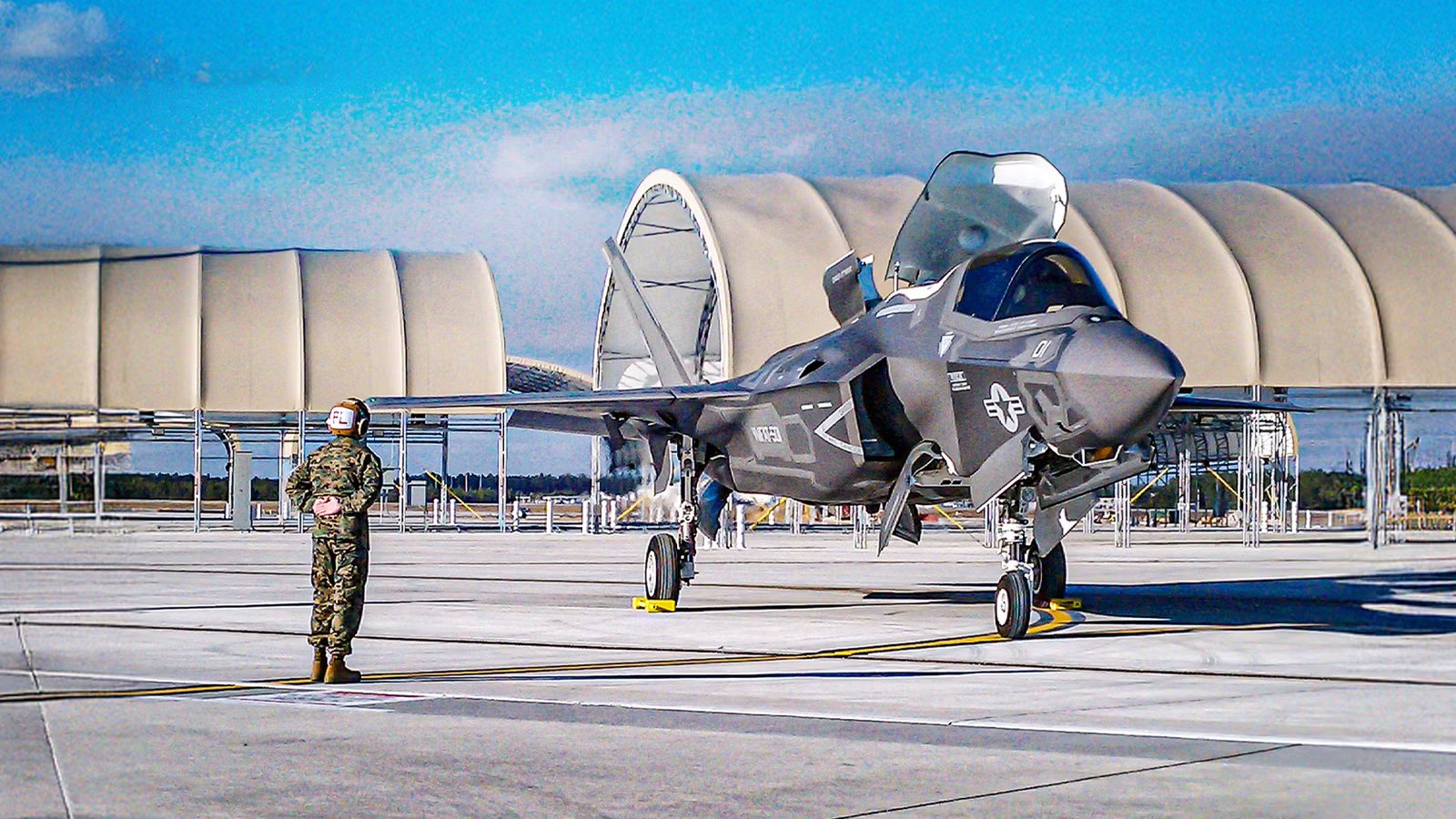
These jets were intended to give the IRIAF its first 4.5-generation capability, featuring radars claimed to be capable of detecting stealth aircraft like the American F-35 Lightning II. To prepare for these new Super Flankers, Iran had already integrated Russian Yak-130 jet trainers as of 2023.
Iran had also recently acquired Chinese-made air defense radar and other systems that claim to be ‘anti-stealth.’ Reports indicate that Chinese-supplied air defense assets were completely destroyed within the first hour of the strikes. Chinese satellite imaging companies also provided support to Iran by tracking US force movements in the region, leading up to the launch of Operation Epic Fury.
The modernization attempt is currently paralyzed. While some Su-35s were reportedly in the process of delivery, due to the systematic destruction of over 200 air defense systems, both Moscow and Beijing have shown limited willingness to provide direct military intervention or immediate replacements for destroyed hardware under the current US pressure.

The Arsenal Of Epic Fury: Every US Aircraft Taking Part In The Strikes On Iran
Breaking down the staggering airpower massed in the Gulf.
The Iranian Missile Arsenal

Iran possesses the largest and most diverse missile inventory in the Middle East, according to Iran Watch. The premier missile is the hypersonic Fattah-2. It is Iran’s most advanced weapon. It is claimed to be a hypersonic glide vehicle capable of speeds up to Mach 15 (11,000+ mph) and unpredictable maneuvers to bypass systems like the Arrow or Patriot.
One of the conventional missiles is the Khorramshahr-4. A liquid-fueled medium-range ballistic missile with a 1,200-mile range and a heavy 1,500 kg warhead. The Sejjil is a solid-fueled ballistic missile with a 1,500-mile range that can be deployed on mobile launchers, like trucks, to concealed sites and rapidly moved to different locations in between salvos. There are also cruise missiles in the IRIAF arsenal that can supposedly follow terrain and fly below enemy radar.
At least some of these missiles were successful in striking the US Naval Base in Bahrain and killing at least five US sailors. There are some indications from reports of Operation Epic Fury that intense Iranian barrages have severely strained the US and Israeli stockpiles of THAAD and SM-3 counter-missile interceptors, as the supply chain cannot resupply fast enough to match the rate of expenditure.