dailynewsnblog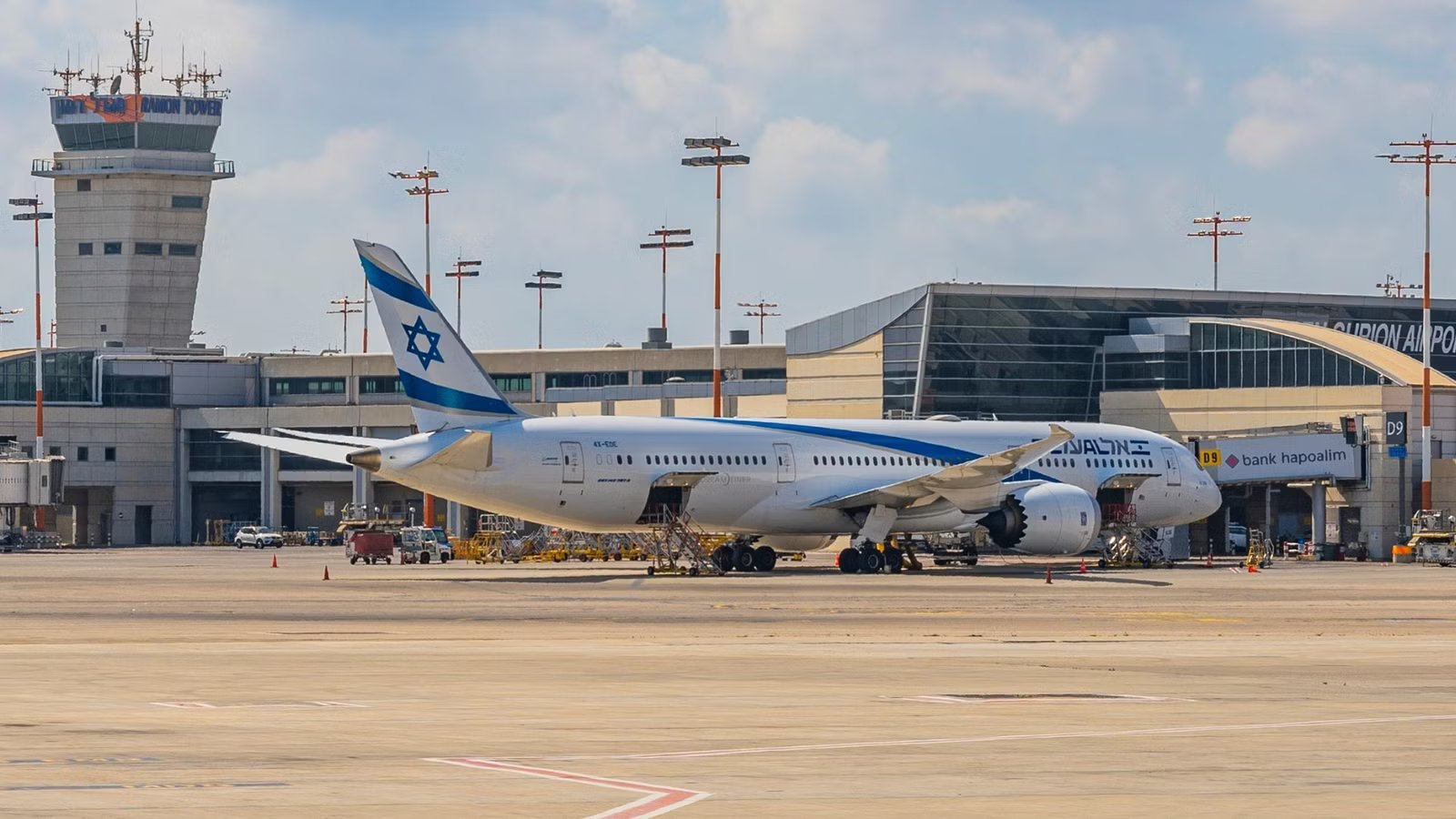
Starting today, carriers based in Israel will be authorized to operate repatriation flights for passengers and tourists who have been stuck in the country since the conflict in the region began a week ago. The authorization strictly limits the number of aircraft that can be handled per hour, along with the number of passengers that can be accommodated per flight.
These operations are monitored by the nation’s transportation ministry and security authorities to ensure flight safety is maintained, considering the still ongoing hazards such as missile and rocket attacks present in the region.
A Maximum Of 70 Passengers Per Aircraft

As of this morning (Sunday, March 8), carriers in Israel, including EL AL, Arkia and Israir, have received authorization to conduct outbound flights to provide repatriation flight connectivity to those stuck in the country since the 2026 Iran Crisis began a week ago. According to reports from The Times Of Israel, the authorization allows for a maximum of two narrowbody aircraft to depart per hour from the nation’s primary airport, Ben Gurion Airport (TLV), with each aircraft having the clearance to accommodate a maximum of 70 passengers.
These operations have been authorized by the Ministry of Transportation, along with the country’s security authorities. Reports indicate that passengers who have been allocated on these flights will need to utilize early check-in before leaving for the airport, and are required to be at TLV 90 minutes prior to departure. This safety measure ensures the airport does not become overcrowded, and the time spent by passengers at the airport is limited.
Furthermore, it is reported that 15% of all capacity leaving the country will be allocated for humanitarian, security, diplomatic, or tourist passengers. Additionally, Israeli citizens wishing to leave the country will have to sign a form confirming that they cannot return for a period of 30 days from the date of exit.
Increasing Repatiation Services Across The Region

Since the conflict in the Middle East began on February 28, countries in the region have shut down their airspace. Since then, they have gradually begun re-opening limited flight corridors to ensure limited or necessary flight operations to resume services. This started first with the United Arab Emirates, followed by Qatar and Israel. However, these services have often been temporarily disrupted due to safety concerns.
Since the resumption of services via these air corridors, the airlines of the UAE and Qatar have been able to clear the backlog of tourists and transit passengers who were in the country. However, in the case of Israel, outbound repatriation services only commenced today, but its inbound repatriation flights started on Thursday, with El Al operating the first of these services with a flight from Athens, Greece.
While some airlines from other countries have resumed limited operations to the UAE, the majority of government-chartered repatriation services have been utilizing airports in Oman and Saudi Arabia to fly their citizens in the Middle Eastern region back home. Additionally, some airlines such as British Airways, Oman Air, and Qatar Airways are also operating flights to provide capacity, in addition to the repatriation services provided by various governments.

British Airways & Qatar Airways Pivot To Muscat For Airlifts
With Doha’s airport closed due to the Iran conflict, Qatar Airways is relocating a small number of jets, pilots, and crew to Muscat.
Almost 1,000 Israel Flights Canceled

According to data from the Aviation Analytics firm, Cirium, during the first seven days of the conflict, from February 28 through to yesterday, 975 out of 1,113 scheduled flights into Israel were canceled, accounting for over 87% of total scheduled flights into the country.
Looking beyond, when considering the entire Middle East, the numbers start to become staggering, with data showing a total of 16,767 inbound flights cancelled to 11 countries in the region. The largest number of cancellations can be attributed to the United Arab Emirates and Qatar, as the home of three of the largest hubs and airlines in the region.
With the gradual reopening of airspaces, an increased number of flights and air services are possible. However, the ongoing conflict is having a significant negative impact on a global scale. This includes a lack of capacity across certain markets, rising fuel costs, increased flight times, and operational costs due to circumnavigating affected airspaces, and ultimately, a likely rise in air fares in the coming weeks and months.