dailynewsnblog
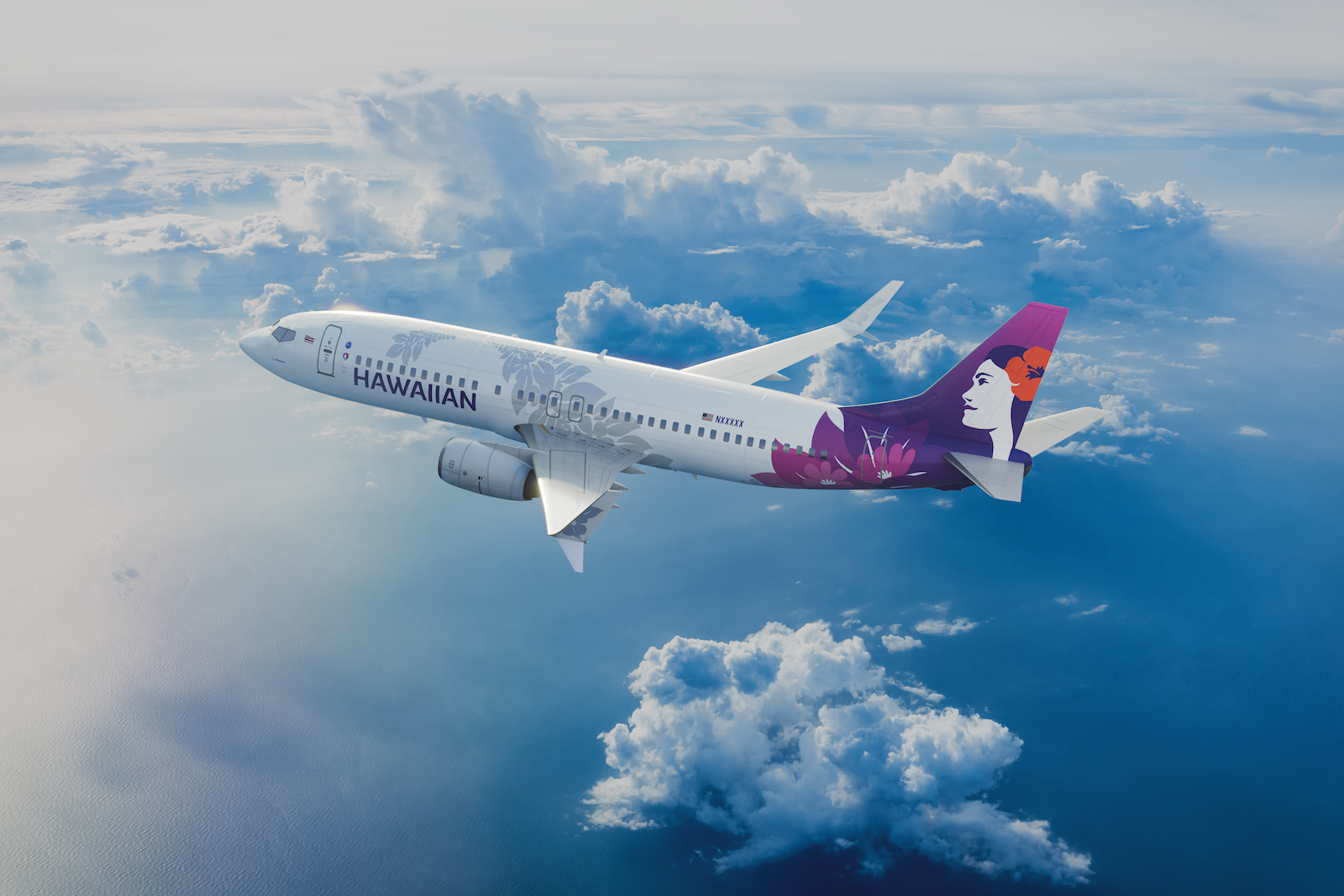
Why are Boeing 737 MAX orders booming in the United States? It is a question that would have sounded improbable just a few years ago. After two tragic accidents, a global grounding, and intense regulatory scrutiny, many wondered whether airlines would move on for good. But today, the narrowbody jet is once again at the center of major fleet announcements, record-breaking deals, and long-term growth strategies across the US aviation market.
The revival has been dramatic. Major US carriers are placing fresh commitments for hundreds of aircraft, production plans are expanding, and Wall Street is closely watching Boeing’s output trajectory. From Alaska Airlines’ record-breaking agreement to Delta’s unexpected shift toward the MAX family, there are several forces driving this resurgence. This article explores the short answer behind the surge, the key factors influencing airline decisions, what industry leaders are saying, how the MAX compares with competing aircraft, and the risks that still linger.
Why Are Orders Surging Again?

To quickly address this question, we have to examine demand, timing, and fleet strategy alignment. US airlines are expanding again, domestic travel remains strong, and replacement cycles are accelerating. The Boeing 737 MAX fits perfectly into that equation, offering improved fuel efficiency, commonality with existing 737 fleets, and delivery positions that are becoming increasingly valuable in a supply-constrained environment.
A key moment came when  Alaska Airlines announced the largest airplane order in its history with Boeing in early 2026. The airline committed to dozens of additional 737-10 aircraft, reinforcing its long-term, single-fleet strategy. That move signaled confidence not just in the MAX, but in Boeing’s ability to support future growth.
Another turning point followed when  Delta Air Lines placed a surprise order for the 737-10, a development that many analysts viewed as strategically significant. Delta historically leaned toward Airbus narrowbodies in recent years. Its decision suggested renewed comfort with Boeing’s production outlook and the economics of the MAX family.
These orders represent a broader recalibration within the US airline industry, where narrowbody aircraft are the backbone of domestic networks. When airlines look ahead to the next two decades of flying, the 737 MAX is once again firmly in the conversation.
What Factors Are Influencing This Momentum?

Look at the average narrowbody fleet in the United States and one thing becomes clear: a large portion of it was built in the early-to-mid 2000s. For airlines that operate hundreds of Boeing 737NGs, the replacement wave is currently happening. Aircraft that once defined domestic flying are reaching the point where heavier maintenance checks, rising fuel burn, and cabin expectations make them less competitive. The 737 MAX arrives at exactly the right time for that generational shift.
Fuel remains one of the biggest variables in an airline’s cost structure. Even small percentage improvements matter when you multiply them across thousands of flights per year. Compared to earlier 737 variants, the MAX delivers meaningful fuel burn savings and lower per-seat operating costs, thanks to its new LEAP engines and its winglets. For high-frequency domestic routes, that efficiency compounds quickly. It’s one reason why carriers are comfortable committing to large, multi-year orders.
Flexibility is another major driver. US airlines don’t operate in a one-size-fits-all market: a Monday morning business shuttle between New York and Chicago demands something different from a Saturday leisure flight to Florida. The MAX family allows carriers to scale capacity within a common platform.
Third, delivery slots are becoming strategic assets. With Airbus production lines heavily booked and supply chains still stabilizing, airlines are making decisions based not only on aircraft performance but also on when they can realistically receive jets. Boeing’s plan to gradually increase 737 production rates has reassured investors and airline planners alike.
The recent momentum is therefore brand loyalty, but it also reflects economic realities, competitive positioning, and a race to secure growth capacity before delivery backlogs stretch further into the 2030s.

These Are America’s Most Unusual Flights
Discover the lifeline that connects remote Alaskan towns in a series of extraordinary flights.
Why Are Airlines Backing The 737 MAX Long-Term?

Airlines are framing their decisions around long-term strategy and operational simplicity. Alaska Airlines described its record order as a foundational step in building a streamlined, all-Boeing mainline fleet. The airline has consistently emphasized fleet commonality as a cost-control mechanism. Pilots, maintenance crews, spare parts inventories, and operational procedures all benefit from standardization, and the 737 MAX deepens that advantage.
Delta’s move carried additional symbolic weight. The airline’s leadership highlighted performance metrics and customer experience enhancements associated with the 737-10. By selecting the largest MAX variant, Delta signaled confidence in both demand recovery and Boeing’s development path.
Financial analysts have also taken note. Some have pointed out that Boeing appears to be positioning itself for a future production surge, supported by improving quality control oversight and stronger cash flow projections. Investors view steady MAX deliveries as central to Boeing’s financial recovery.
These expert perspectives underline that the resurgence is not a short-term headline. It reflects durable planning decisions that will shape US airline fleets for decades.
How Does The 737 MAX Compare To The Airbus A320neo?

Whenever the Boeing 737 MAX comes up in a fleet discussion, the conversation quickly turns to Airbus. The natural benchmark is the A320neo family, particularly the larger A321neo, which has carved out a dominant position in the high-capacity narrowbody segment. For airlines evaluating growth aircraft, it’s rarely a single-aircraft decision, and based on multiple factors, not just cost. It’s about systems, long-term strategy, and how each type fits into an existing operation.
The A320neo family has built an enormous global backlog and a reputation for range and versatility. The A321neo, especially in higher-density layouts, gives airlines the ability to stretch narrowbody economics into markets that once required small widebodies. For carriers without a legacy Boeing narrowbody fleet, Airbus offers seamless cockpit commonality across the A319, A320, and A321 families. That consistency simplifies training and scheduling across mixed Airbus operations. For US airlines already operating large numbers of 737NGs, the equation looks different.
Transitioning to the MAX keeps pilot type ratings aligned, minimizes simulator investment, and leverages decades of maintenance familiarity. When a carrier has hundreds of Boeing narrowbodies spread across multiple hubs, that operational continuity carries real financial weight. Incremental performance differences become part of the discussion, but they are rarely the only deciding factor.
There’s also the matter of timing. Airbus has built a remarkable order book, but that success means delivery positions are increasingly pushed toward the end of the decade. Airlines that need lift sooner — whether for growth or replacement — must consider realistic entry-into-service timelines. In several recent US campaigns, availability has played a meaningful role alongside economics.
Ultimately, the competition between the 737 MAX and the A320neo family is about fleet history, infrastructure investment, network shape, and production capacity. In the US market, where Boeing narrowbodies already form the backbone of several major airlines, that context continues to give the 737 MAX a powerful foothold.

How Alaska Airlines Is Reimagining Hawaiian’s First Class Dining
Alaska Airlines is reinventing Hawaiian’s First Class dining with a new executive chef, blending island flavors and premium strategy.
What Risks Could Slow Boeing 737 MAX Deliveries?

The recent wave of 737 MAX orders across the United States paints a picture of renewed confidence, but the path forward is not without obstacles. Commercial aviation is tightly regulated, and Boeing continues to operate under close supervision from the Federal Aviation Administration (FAA). Following past crises and more recent production quality concerns, oversight has become more detailed and procedural. That environment affects everything from inspection routines to the pace at which aircraft can leave the factory floor. Certification of the 737-10, in particular, remains a critical milestone. Because several major US airlines are counting on this higher-capacity variant to support future growth, any delay in its approval could ripple directly into delivery timelines and network planning.
Beyond certification, the broader aerospace supply chain remains under pressure. Engine manufacturers are managing durability and production constraints, specialized suppliers are rebuilding capacity, and skilled labor shortages continue to influence output across the industry. Increasing production rates is not simply a matter of demand; it requires coordination across hundreds of suppliers. If that ramp-up proves slower than anticipated, airlines expecting aircraft within specific windows may need to adjust expansion plans or extend the life of older jets longer than originally intended.
Economic conditions add another layer of uncertainty. Airline fleet decisions are structured years in advance, but they remain sensitive to shifts in fuel prices, consumer demand, and corporate travel trends. A slowdown in domestic travel or a sustained spike in operating costs could lead carriers to defer deliveries or exercise flexibility within their order books. Large aircraft commitments typically include options and adjustment mechanisms precisely because airlines understand that market cycles evolve.
For passengers and investors, the central issue is execution. Order announcements signal intent and confidence, but consistent certification progress and steady delivery performance ultimately determine whether that momentum translates into sustained operational growth. The 737 MAX order book in the United States is undeniably strong. The next few years will show how effectively that strength converts into aircraft in service.
What Does The 737 MAX Order Boom Mean For US Aviation?

So, why are Boeing 737 MAX orders booming in the US? Because the timing makes sense. Domestic demand remains resilient, large portions of airline fleets are due for replacement, and several major carriers have already built their operations around generations of 737s. Add improving visibility on production plans, and the result is a wave of commitments that would have seemed unlikely not long ago.
The scale of recent agreements from carriers like Alaska Airlines and Delta Air Lines shows that this is not about incremental top-ups. These are long-term bets on narrowbody growth. Airlines are thinking in decades, not quarters. They are aligning fleet simplicity, cost control, and network flexibility with aircraft that fit their existing infrastructure. The next phase now shifts from signing ceremonies to delivery schedules. Certification progress, production consistency, and supplier stability will determine how smoothly these jets enter service. If Boeing executes effectively, the 737 MAX will form the backbone of US short- and medium-haul flying well into the 2030s.
For passengers, that likely translates into newer cabins, quieter interiors, and more efficient aircraft on familiar routes. For Boeing, it represents something equally significant: renewed trust from its home market. And in the competitive world of narrowbody aviation, that may be the most important order of all.