dailynewsnblog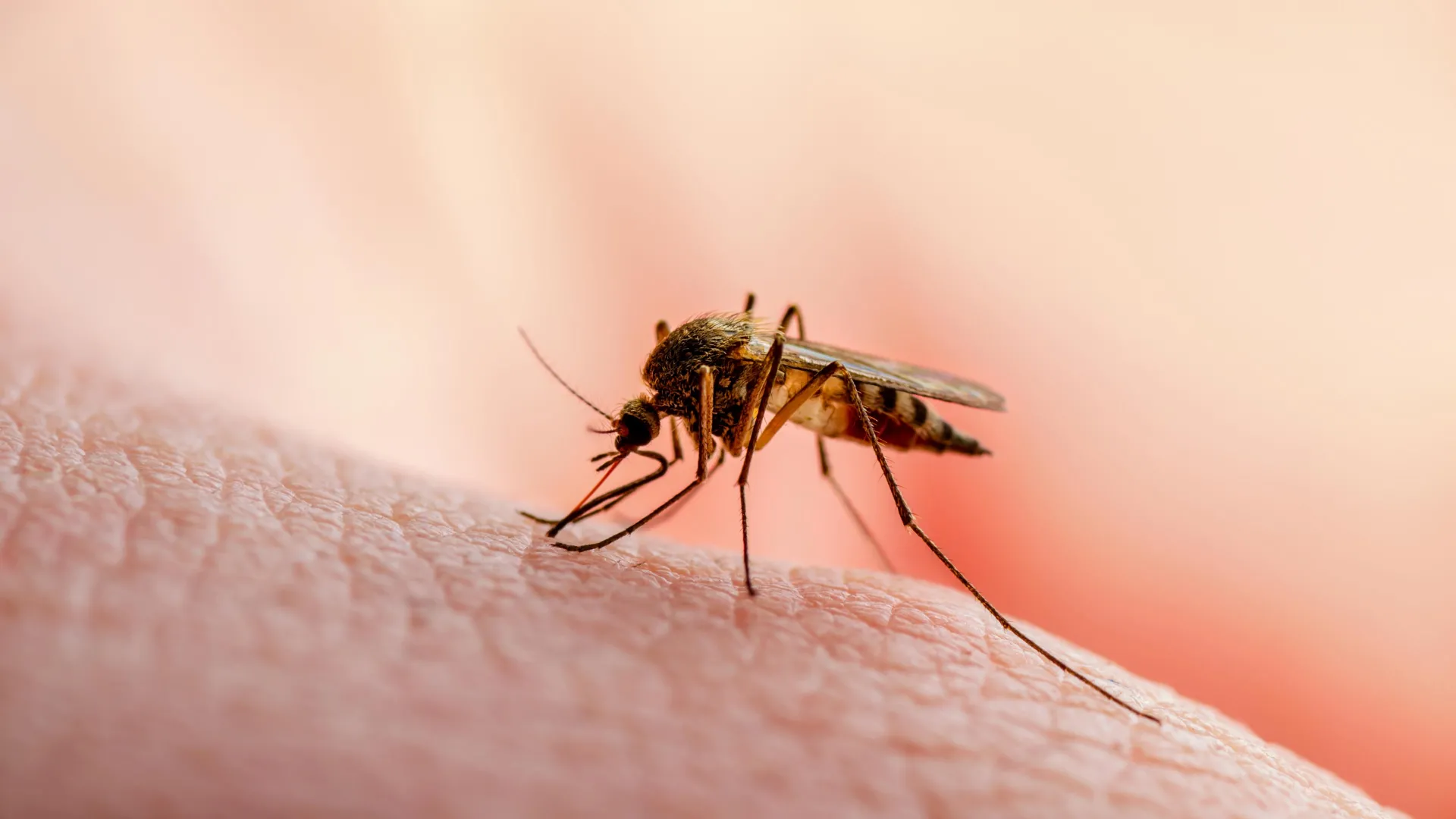
Researchers from several international institutions have uncovered new details about how the malaria parasite grows and spreads. Their work has identified a specialized protein that the parasite needs in order to survive and move between hosts, making it a promising target for future antimalarial drugs.
The discovery focuses on a molecule known as Aurora-related kinase 1 (ARK1). In a study published in Nature Communications, scientists from the University of Nottingham, the National Institute of Immunology (NII) in India, the University of Groningen in the Netherlands, the Francis Crick Institute, and other collaborators found that ARK1 functions like a cellular traffic controller during the parasite’s unusual process of growth and division.
Understanding Malaria Parasite Growth
Malaria continues to rank among the deadliest infectious diseases worldwide. It is caused by Plasmodium parasites, which rapidly multiply inside both human hosts and mosquitoes. Learning how these parasites divide and reproduce is critical for finding ways to stop the disease.
The malaria parasite divides very differently from human cells. Instead of following the typical pattern seen in human biology, it uses a more unusual and complex method of growth. The researchers discovered that ARK1 plays a central role in organizing the spindle, the cellular structure that separates genetic material so new parasite cells can form.
Disabling ARK1 Stops Parasite Development
When scientists disabled ARK1 in laboratory experiments, parasite development quickly broke down. Without the protein, the parasites failed to build proper spindles, which prevented them from dividing correctly.
As a result, the parasites could not continue their life cycle. They were unable to fully develop inside either the human host or the mosquito, effectively blocking the chain of transmission that allows malaria to spread.
“The name ‘Aurora’ refers to the Roman goddess of dawn, and we believe this protein truly heralds a new beginning in our understanding of malaria cell biology,” said Dr. Ryuji Yanase first author of the study from the School of Life Sciences at the University of Nottingham.
A Potential Target for New Malaria Drugs
Because the malaria parasite moves through different stages in both humans and mosquitoes, understanding its biology requires collaboration across many research groups.
“Plasmodium divides via distinct processes in the human and mosquito host, it was well and truly a team effort, which allowed us to appreciate the role of ARK1 almost simultaneously in the two hosts and shed light on novel aspects of parasite biology,” said Annu Nagar and Dr. Pushkar Sharma from the Biotechnology Research and Innovation Council (BRIC)-NII, New Delhi.
Researchers are particularly encouraged by how different the parasite’s ARK1 system is from the equivalent proteins found in human cells.
“What makes this discovery so exciting is that the malaria parasite’s ‘Aurora’ complex is very different from the version found in human cells. This divergence is a huge advantage,” Professor Tewari added. “It means we can potentially design drugs that target the parasite’s ARK1 specifically, turning the lights out on malaria without harming the patient.”
By revealing how this unusual molecular machinery operates, the research provides a clearer roadmap for developing drugs that disrupt the parasite’s life cycle and ultimately prevent malaria transmission.