dailynewsnblog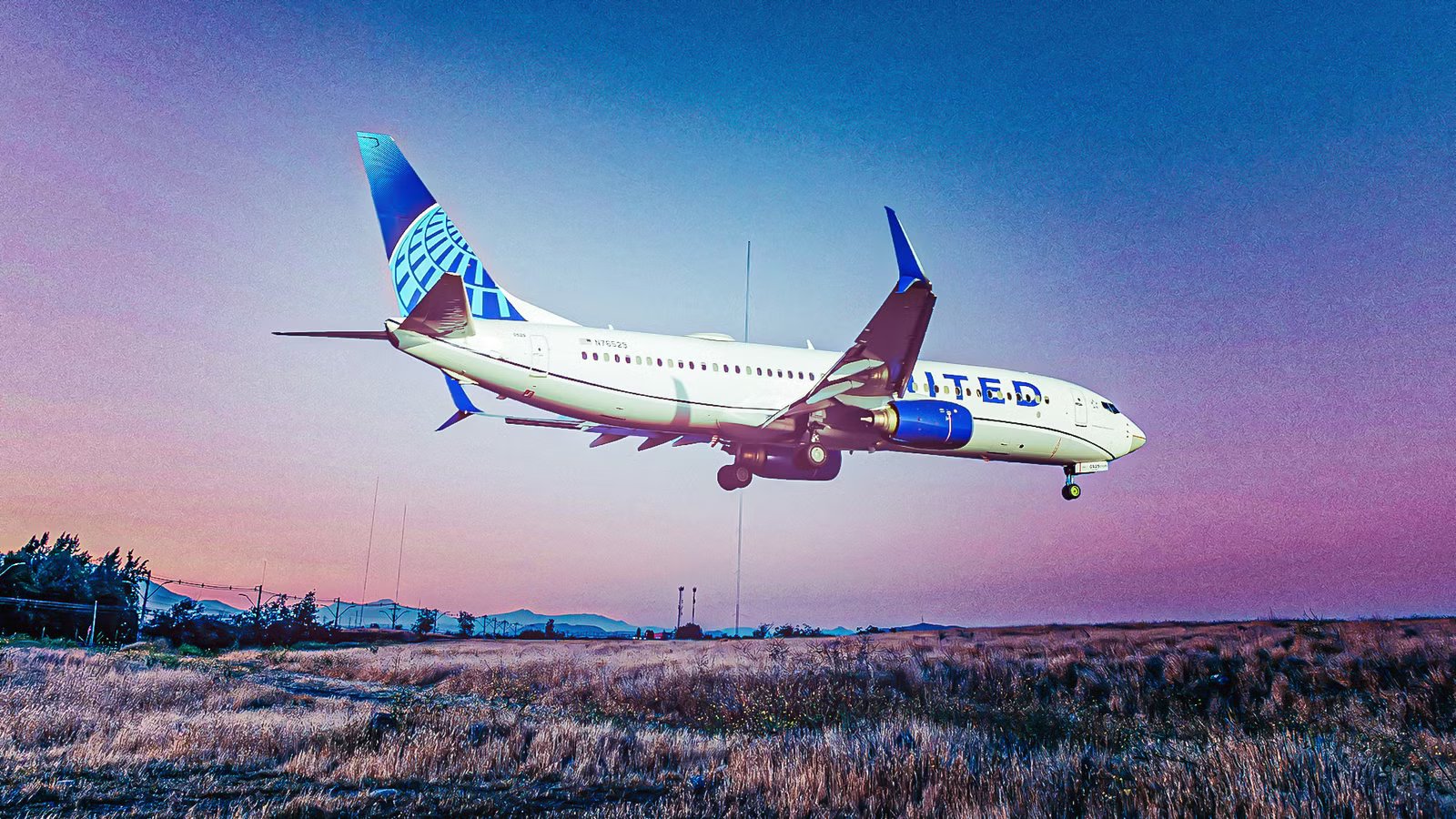
As per the new amendments made in United Airlines’ contract of carriage, the carrier has stated a new rule which allows the airline to refuse passengers to travel who do not utilize headphones or earphones when listening to audio or watching video content onboard the aircraft. This includes removing passengers from the aircraft and refusing them to travel with the airline on a permanent basis.
This rule is to make sure that noise in the aircraft cabin is limited, but subsequently, it also ensures that the remaining passengers are not disturbed in flight by noises from other people’s personal devices.
Minimizing Cabin Noise & Disturbances

From now on, passengers who do not use headphones or earphones when listening to music or watching content on their personal devices on board could be removed from the flight or even banned. As per CBS News, new amendments were introduced by  United Airlines to its contract of carriage, which legally allows the airline to take action against passengers for this very reason. The new rule allows the carrier to remove any passenger that do not comply with the rule.
Beyond just the removal, reports indicate that United could “refuse transport, on a permanent basis”, which suggests the airline could ban any non-compliant passenger from all future flights with the airline. While this might appear to be an overreaction from United, it does make sense, considering the number of incidents around the world, during which the airline involved has chosen to ban the Unruly passenger for disrupting a flight. And subjecting other passengers and crew members to music or sounds or any other form of audio content can be disturbing to the rest of the cabin.
To ensure maximum compliance, the airline has also stated that any passenger who might not have headphones or earphones with them to use onboard could request complimentary earphones/earbuds. Simple Flying has reached out to United to know more about this new rule.
What Is The Contract Of Carriage?

In the simplest of terms, it is basically the ticket that a passenger purchases from an airline, with the obvious obligation from the airline’s side to transport the passenger and their luggage from the designated points of origin to destination, for the money paid. But in the broader terms, there are a lot more details that go into the fine print of this contract, which includes obligations of the airline, obligations of the passenger, all relevant rules and regulations, including details of passenger rights, any compensations or penalties, denied-boarding or involuntary seat changes, and yes, passenger actions that could get them kicked off a flight.
While in many cases, the contract is simple to understand and carry out, due to the global and interconnected nature of aviation, quite often, responsibilities and regulations can also become easily complicated from the passengers’ point of view, when things go wrong or in the event of a disruption. This would entirely depend on how aware a passenger is of their rights, the number of organizations involved, and how well different parties involved communicated with each other.
Some common examples include passengers facing issues at the airport because a third-party source was used to purchase the ticket, or issues faced by passengers who purchased tickets via a Codeshare airline at a transit airport because each leg of the journey involved a different airline, and any potential discrepancies in fares/points/miles paid, or luggage allowance offered by the two carriers.

Customer Calls For US DOT To Suspend American Airlines-Qatar Airways Codeshare
The complainant alleged Qatar Airways engaged in deceptive practices related to post-purchase fees.
Ultimately, This Could Be A Good Rule!

Back to United’s new rule about mandating headphones when listening to audio from a personal device onboard, ultimately, this could be an effective rule when it comes to ensuring quieter and more comfortable cabins, but also ensuring a better in-flight experience for all passengers. This can be particularly helpful on long-haul or overnight flights, when passengers would be more inclined to rest or sleep. In fact, this is a regulation that the US Department of Transportation (DoT) is looking at.
While only time will tell if similar rules will be adopted by other airlines in the US or even around the world, for the time being, United Airlines’ implementation of this rule can act as a case study. Looking beyond this rule, in recent years, airlines have been prompting passengers to use their own headphones, be it when using their personal devices, but also when utilizing the aircraft’s in-flight entertainment. As technology has progressed, many airlines these days are providing passengers with the ability to pair their own headphones to the aircraft IFE system via Bluetooth.
While this allows passengers to use the Aircraft IFE with their own headsets (quite possibly of a better quality in many cases), this also saves the carrier from constantly recycling the number of headsets used, saving the carrier time and costs. What are your thoughts on United’s new rule? Let us know in the comments below!