dailynewsnblog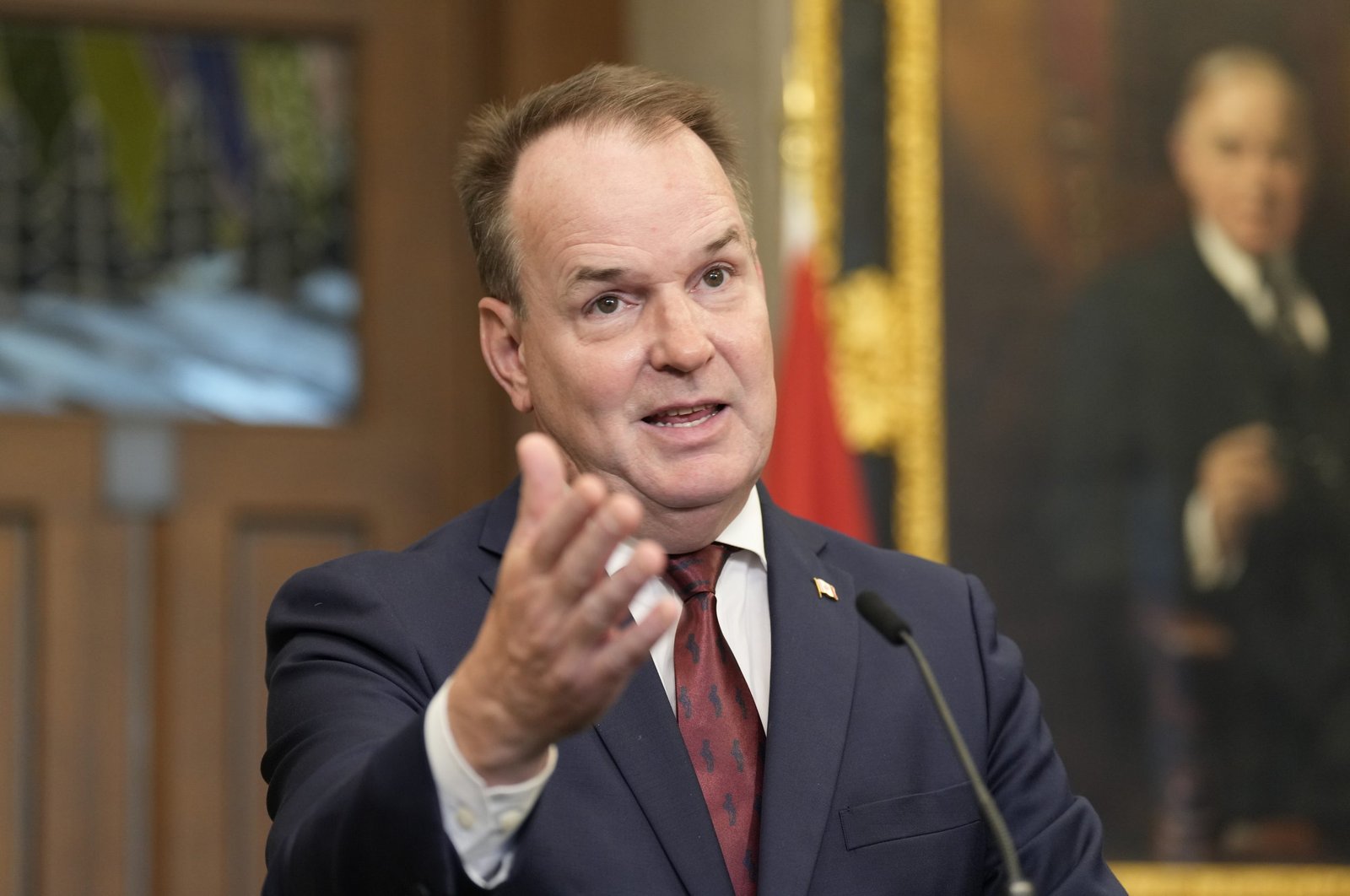
“As a general rule, the Canada Elections Act, especially when amended unanimously in the House of Commons, is something that generally receives deference,” he said.
Government House Leader Steven MacKinnon says the Liberals haven’t decided on whether to accept a Senate amendment that would put a three-year expiry date on controversial privacy protections for political parties.
But he told iPolitics on Tuesday that changes to elections law unanimously supported by the House of Commons shouldn’t be undone by the Senate.
His comments come after the Upper Chamber last week passed the government’s signature affordability legislation but attached a three-year “sunset clause” to controversial provisions shielding federal political parties from provincial privacy regimes.
The amendment to Bill C-4 would automatically repeal the exemption three years after it becomes law unless Parliament enacts a stronger national privacy framework for parties.
Speaking after an unrelated announcement in Toronto, MacKinnon said the amendment was still under consideration but suggested the Senate should be deferentially to the House when it comes to elections laws.
“We’re still analyzing the Senate’s amendment, and we’ll have an answer on that soon,” he told iPolitics.
“As a general rule, the Canada Elections Act, especially when amended unanimously in the House of Commons, is something that generally receives deference,” he said.
C-4 mostly focuses on affordability measures, including income tax relief and a GST break for first-time homebuyers purchasing new homes priced at up to $1 million. However, it also includes an entirely separate section on privacy rules for political parties that has drawn criticism from advocates and senators.
That section would shield federal political parties from being subject to provincial privacy laws. Instead, parties would be required to draft their own privacy policies and hold an annual meeting with the Chief Electoral Officer. They could face administrative monetary penalties if they fail to follow their own rules.
After weeks of debate, senators agreed to pass a single amendment to the bill at third reading debate that would create a three-year sunset clause for the privacy changes.
Asked specifically about the amendment, MacKinnon emphasized that the bill previously passed the House with unanimous backing at one stage and suggested that it carries weight.
He also rejected comparisons between political parties and corporations when asked why they should not be treated the same under privacy law.
“Because they’re not private companies,” he said. “Political parties are not private corporations, and that’s an important distinction.”
The Senate amendment reflects concerns from critics who argue the issue is not constitutional jurisdiction but the absence of a robust federal privacy regime governing political parties. Without a sunset clause, they say, the exemption could leave Canadians with fewer avenues to challenge how parties collect and use personal information.
MacKinnon said parties already operate with privacy safeguards in place.
“I was the national director of the Liberal Party. I can assure you that, for our part, and I assume all parties follow the same basic standard, we essentially comply with PIPEDA, with the privacy, with all applicable privacy acts,” he said, referring to the federal Personal Information Protection and Electronic Documents Act by its acronym.
The legislation now heads back to the House of Commons, where MPs must decide whether to accept the Senate’s proposed expiry clause. A rejection would send the bill back to the Upper Chamber for further consideration, potentially prolonging debate over how political parties handle Canadians’ personal information.