dailynewsnblog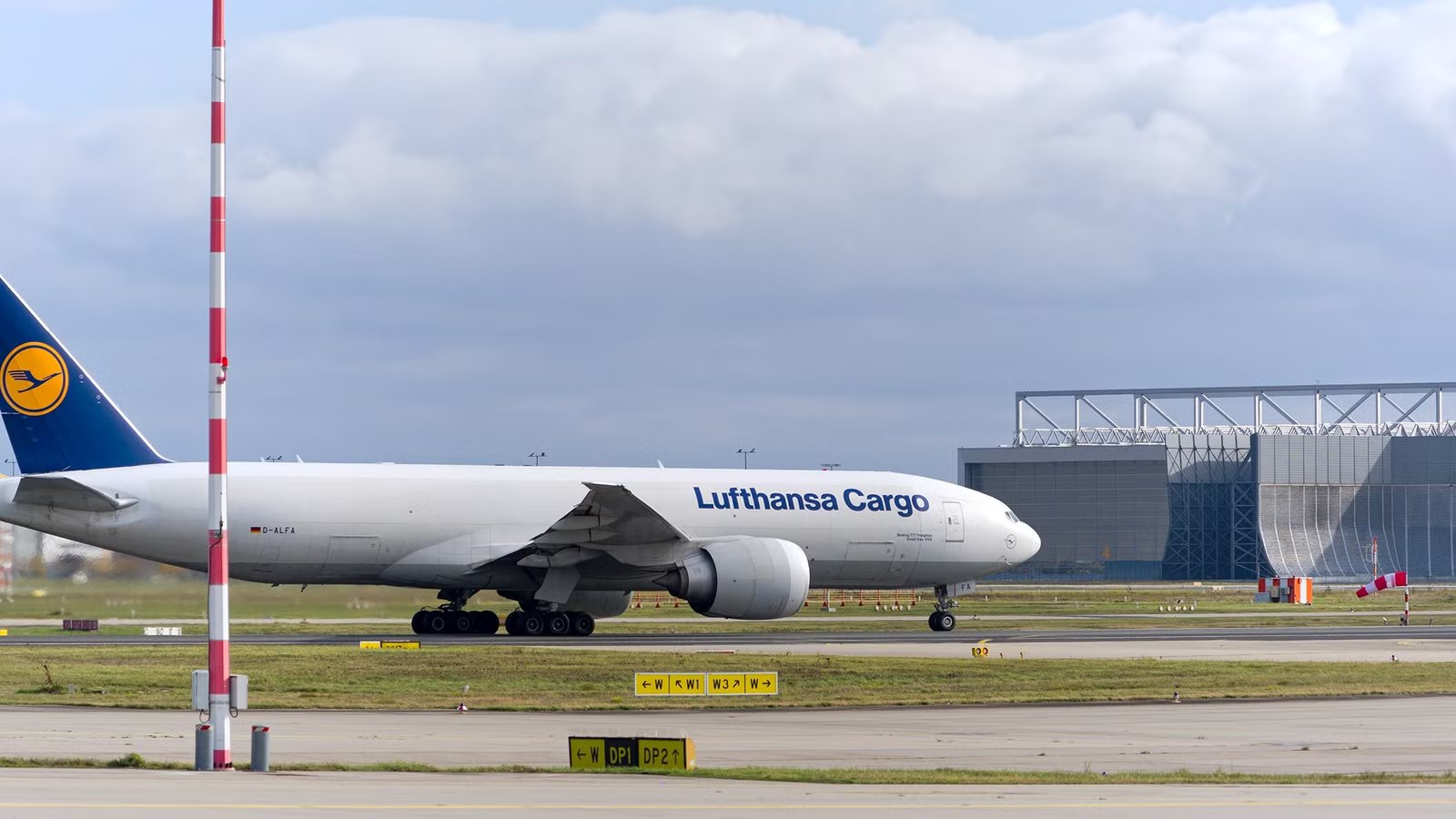
Fines have amounted to a total of EU 770 million ($910 million) for airlines taking part in cargo collusion that in total spanned more than a decade. The European Court of Justice has upheld the fines for 13 airlines for the cargo collusion, which was ruled in 2017. The collection of airlines appealed the fines lodged; two carriers faced $0 in fines, SWISS and  Lufthansa, as they were the ‘whistle blowers’.
Ten airlines in total will have to fork out the near billion US dollars, wth  SAS Scandinavian Airlines having a minor reduction to its penalty, following the findings that the court has mistakenly made calculation errors in the original fine.
The Whistleblowers

European carriers Lufthansa and Swiss Airlines, both part of the Lufthansa Group, were found guilty; however escaped the fines due to the tactic of tattling on the other collection of airlines. This ultimately will raise a few eyebrows for those thinking how it was possible, given the value of the fines that were handed down to the others.
As analysed by ch-aviation, Lufthansa and Swiss received immunity under the European Unions lenience laws. The two carriers were the first to alert the European Commission with information about the cargo cartel, and provided vital information for the court ruling. While the airlines received no fine, they were not immune from being found guilty. Both airlines appealed this verdict, but it was ultimately rejected.
The cargo cartel engaged in services between 1999 and 2006, with illegal collusion for cargo services across 8 years. The first group was first fined in 2010, and these fines were overturned in 2015 on procedural grounds.
Found Guilty

The European Union reimposed the fines in 2017 after revising the justification. Following that, the EU General Court looked to uphold the fines; however made considerations to adjust the fine imposed. Airlines then appealed the fines again in a final attempt to overturn the decisions. This latest round of deliberation has found all airlines guilty, with fines imposed for the majority of them. Total fines as listed below for those who are to pay them in full:
Airline | Fine (EUR) | Fine (USD) |
|---|---|---|
Air Canada | 21 million | 24.8 million |
Air France | 182.9 million | 215.8 million |
KLM Royal Dutch Airlines | 127.2 million | 150 million |
Martinair | 15.4 million | 18.2 million |
British Airways | 104 million | 122.8 million |
Cargolux | 79.9 million | 94.3 million |
Cathay Pacific | 57.1 million | 67.4 million |
Japan Airlines (JAL) | 35.7 million | 42.1 million |
LATAM Airlines (initially LAN Chile) | 8.2 million | 9.7 million |
Singapore Airlines | 74.8 million | 88.3 million |
As seen above, there is a range of airlines from most corners of the globe, with the vast majority also offering passenger services. One airline that is not in the list above is SAS Scandinavian Airlines. The airline, now partially owned by Air France-KLM, and made the switch from Star Alliance to SkyTeam, was initially expected to pay a fine of EU 70.2 million ($83 million); this has been revised to EU 62.8 million ($74 million).
As already mentioned, Lufthansa and Swiss have avoided any fine imposed, but will still carry the guilty verdict for their part in the cargo cartel.

How Much Do Airlines Make From Cargo?
In the post-pandemic world, there is a lot of money to be made from cargo.
How Do Airlines Utilize Belly Space For Cargo

While many of us never think of what might be under the floors of our aircraft on the most recent flight, airlines make plenty of money using the belly space of passenger planes through specialised ground handling and screening for large items, usually in a specialised load device called a ULD. These can also be known as cans or pods, and fit within the contour of the belly, and are an efficient way of loading and unloading cargo fast.
Airlines usually transport high value electornics, perishable food or flowers, live animals, packages, or pharmaceuticals. These time-sensitive goods usually contributeup to 10% of an airline’s overall income, and boost additional profitability over and above passenger seat ticket sales.
Due to the high frequency of passenger flights, these provide reliable and frequent shipping routes to support transporting goods around the world.