dailynewsnblog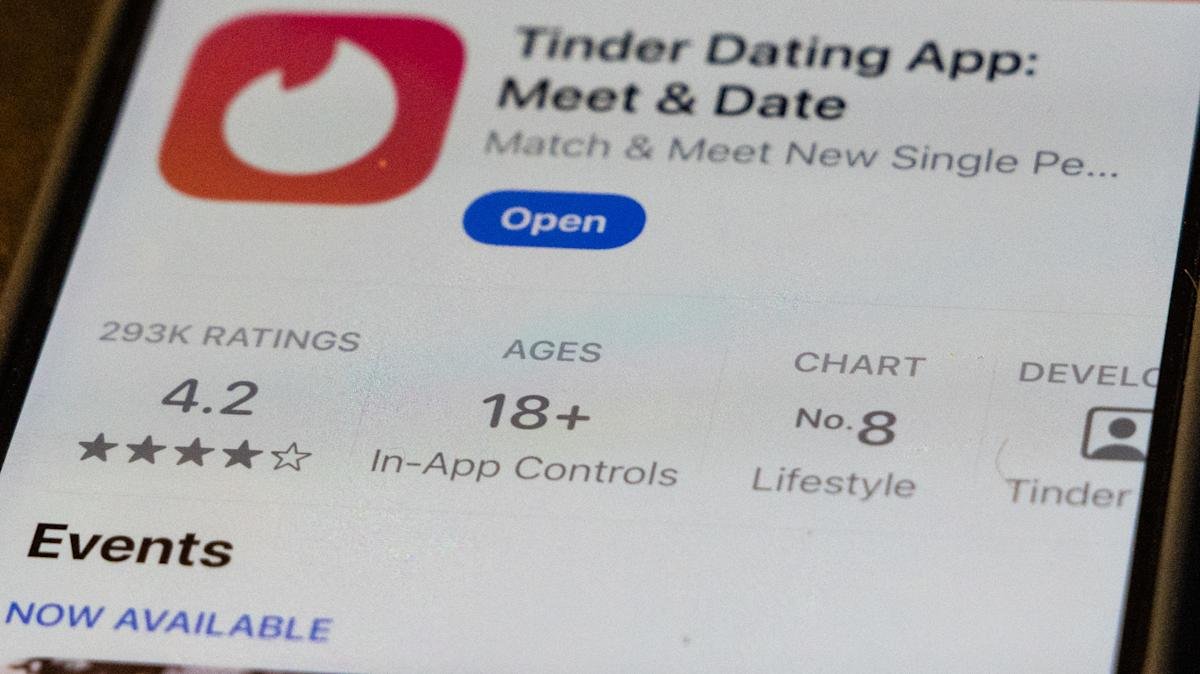
Now that Apple has started blocking users under 18 in certain regions from downloading apps, the company has introduced new age verification tools. Those will help developers “meet their age assurance obligations under upcoming US and regional laws, including in Brazil, Australia, Singapore, Utah and Louisiana,” the company said in a news release on its Developer site.
As of February 24, 2026, users in Australia, Brazil and Singapore won’t be able to download apps rated 18+ unless their age is confirmed through “reasonable methods.” Apple noted that any apps distributed in Brazil that are declared to contain loot boxes will be updated to 18+. While the App Store can perform those checks automatically, “developers may have separate obligations to independently confirm that their users are adults,” Apple wrote. For that, developers can employ the company’s Declared Age Range API (on iOS, iPadOS and macOS) to get “helpful signals” about a user’s age.
In Utah as of May 6, 2026 and Louisiana on July 1, 2026, “age categories will be shared with the developer’s app when requested through the Declared Age Range API.” That API will also provide “new signals,” like whether age-related regulatory requirements apply to the user and if the user must share their age range. “The API will also let you know if you need to get a parent or guardian’s permission for significant app updates for a child,” Apple says.
Under Utah’s new law, users must be over 18 to make a new account with an app store, while underage uses will need to link their account to a parent’s in order to get permission to use certain apps. Louisiana and Texas also passed similar laws and California plans to enact age-based rules for app stores in 2027.
Those rules are designed to protect children from predators, financial harm and other problems. However, critics have described the laws as blunt tools that harm privacy and internet anonymity. “A poorly designed system might store this personal data, and even correlate it to the online content that we look at,” the Electronic Frontier Foundation notes. “In the hands of an adversary, and cross-referenced to other readily available information, this information can expose intimate details about us.”