dailynewsnblog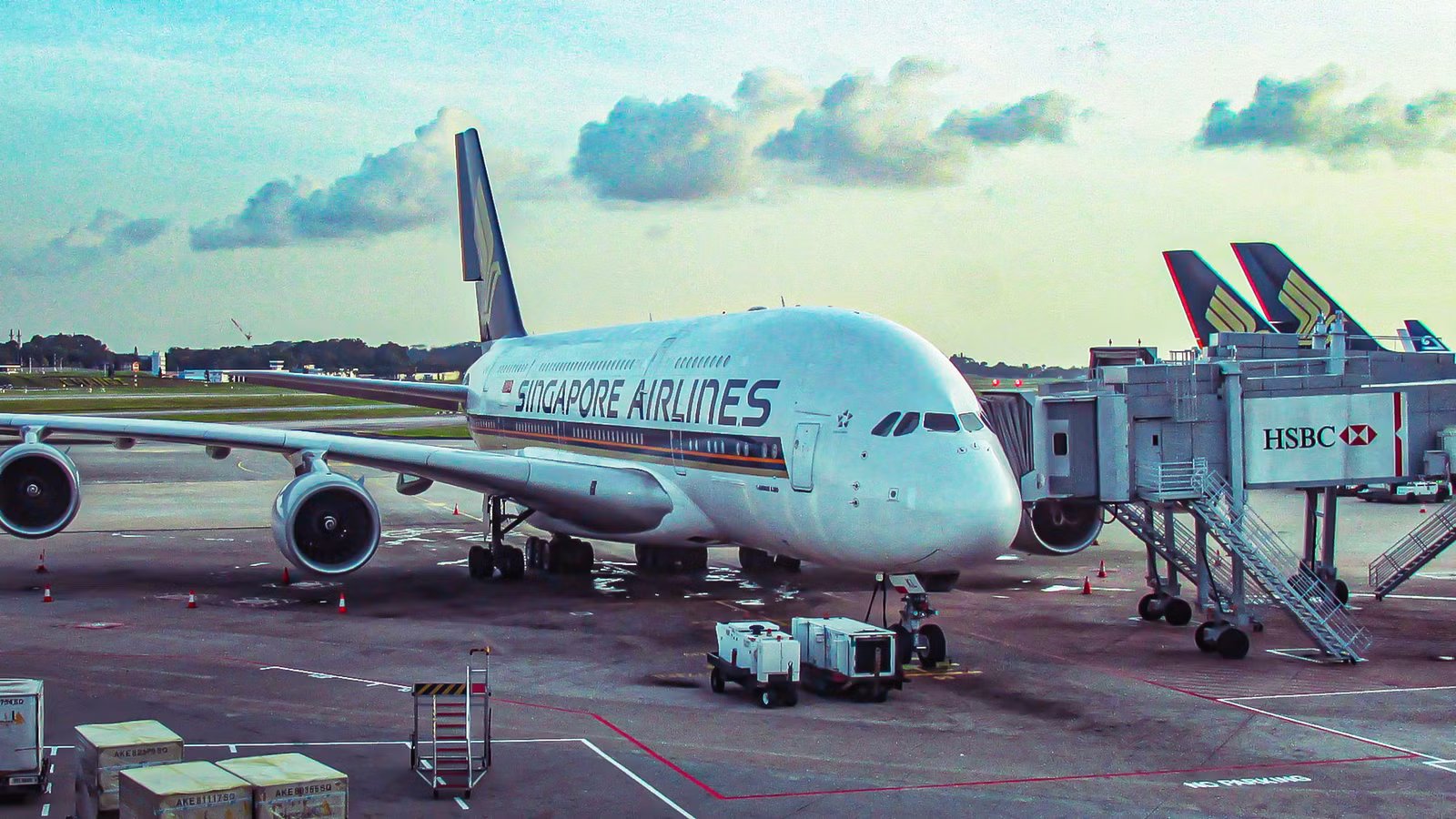
Few aviation enthusiasts would dispute that the Airbus A380 represents the pinnacle of luxury in modern commercial aviation. Since entering service, the double-deck superjumbo has carried millions of passengers for airlines across the globe. From grand staircases and private suites to onboard lounges and bars, the aircraft still evokes a sense of spectacle that few other jets can match.
Yet beyond the polished cabins and premium amenities lies a side of the A380 that remains largely unseen. Hidden behind subtle doors and down narrow staircases are dedicated crew rest areas — compact, functional spaces where pilots and flight attendants recharge during ultra-long-haul missions. On some routes, including the A380’s longest US services, flight times can stretch to nearly 19 hours. During these marathon journeys, carefully structured rest breaks are indispensable to maintaining safety and alertness on the flight deck and in the cabin. While passengers often praise the A380 for its quiet ride and spacious layout, the aircraft is equally remarkable for how it accommodates the needs of its crew. Long-haul operations require multiple sets of pilots and scheduled rest periods for cabin crew, especially when crossing several time zones. The A380’s sheer size allows airlines to integrate dedicated rest facilities in ways that smaller aircraft cannot.
The Airbus A380’s “Third Deck”

Thanks to its enormous fuselage, the Airbus A380 offers airlines flexibility in how and where to install crew rest compartments. One of the most common configurations includes a 12-bunk module positioned below the main passenger deck. Built into the lower fuselage in an area otherwise used for cargo, this compartment effectively creates what some describe as a “third deck.”
With two full passenger decks above and a dedicated rest area below, the A380 can feel like a triple-level aircraft. However, despite the jet’s vast external dimensions, the crew rest areas are designed for efficiency rather than luxury. Every square inch is carefully optimized to maximize capacity without adding unnecessary weight.
On aircraft operated by Qantas, for example, the primary cabin crew rest area sits beneath the main deck and is accessed via a narrow staircase concealed behind a discreet door near the mid-cabin lavatories. To the untrained eye, it appears to be nothing more than a service panel. Most passengers board and disembark without ever realizing a hidden stairwell is just steps away.
Inside, the environment is markedly different from the glamorous passenger cabin above. The space is compact and windowless. Each bunk is equipped with a privacy curtain, a reading light, a ventilation nozzle, and a seatbelt. The mattresses allow crew members to lie fully flat — an essential feature for flights that may exceed 15 hours. Storage areas are minimal, and noise insulation is carefully engineered to reduce cabin sound intrusion.
A pilot’s video tour of one such 12-bunk module, shared on TikTok, generated mixed reactions. Some viewers commented that they would happily trade their economy seat for a lie-flat bunk, while others described the compartment as claustrophobic. In truth, these modules are not designed to impress — they are designed to work. Their primary function is fatigue mitigation, not aesthetics.
How Pilots Manage Shifts

The way pilots manage shifts on the A380 depends on several variables: flight duration, regulatory framework, onboard rest facilities, and airline policy. International standards refer to additional flight crew as “augmented crew,” a term defined by the International Civil Aviation Organization (ICAO).
On flights exceeding certain duty time thresholds, airlines roster three or even four pilots. Typically, one team handles takeoff and landing — often called the “operating” or “flying” crew — while the relief crew assumes control during the cruise phase. After a scheduled rest period, the crews rotate, with each handover involving a comprehensive briefing.
These briefings cover weather updates, air traffic control instructions, aircraft technical status, fuel monitoring, and any operational considerations. Even if one crew may be resting, they remain part of the overall operational chain and must be fully informed before resuming control.
Flight time limitations and required rest periods may vary by jurisdiction. Most countries apply their own frameworks, though most align broadly with ICAO standards. The number of additional pilots required can differ depending on whether the aircraft is equipped with Class 1, 2, or 3 rest facilities — categories that reflect the quality and separation of onboard rest areas.

The Wonderful World Of Crew Rest Areas
A closer look at the hidden areas on the aircraft where crew take their rest.
Some airlines also use additional pilot ranks, such as second officers. To elaborate, Cathay Pacific and  Singapore Airlines may roster a second officer as an augmented flight crew. While the exact crewing model may vary by fleet or sector length, the second officer occupies a flight deck seat during cruise and performs monitoring duties. In this configuration, the second officer effectively enables the captain and first officer to obtain rest breaks.
While titles and crew compositions vary globally, the underlying principle remains consistent: fatigue management is treated as a core safety priority.
Where A380 Pilots Sleep

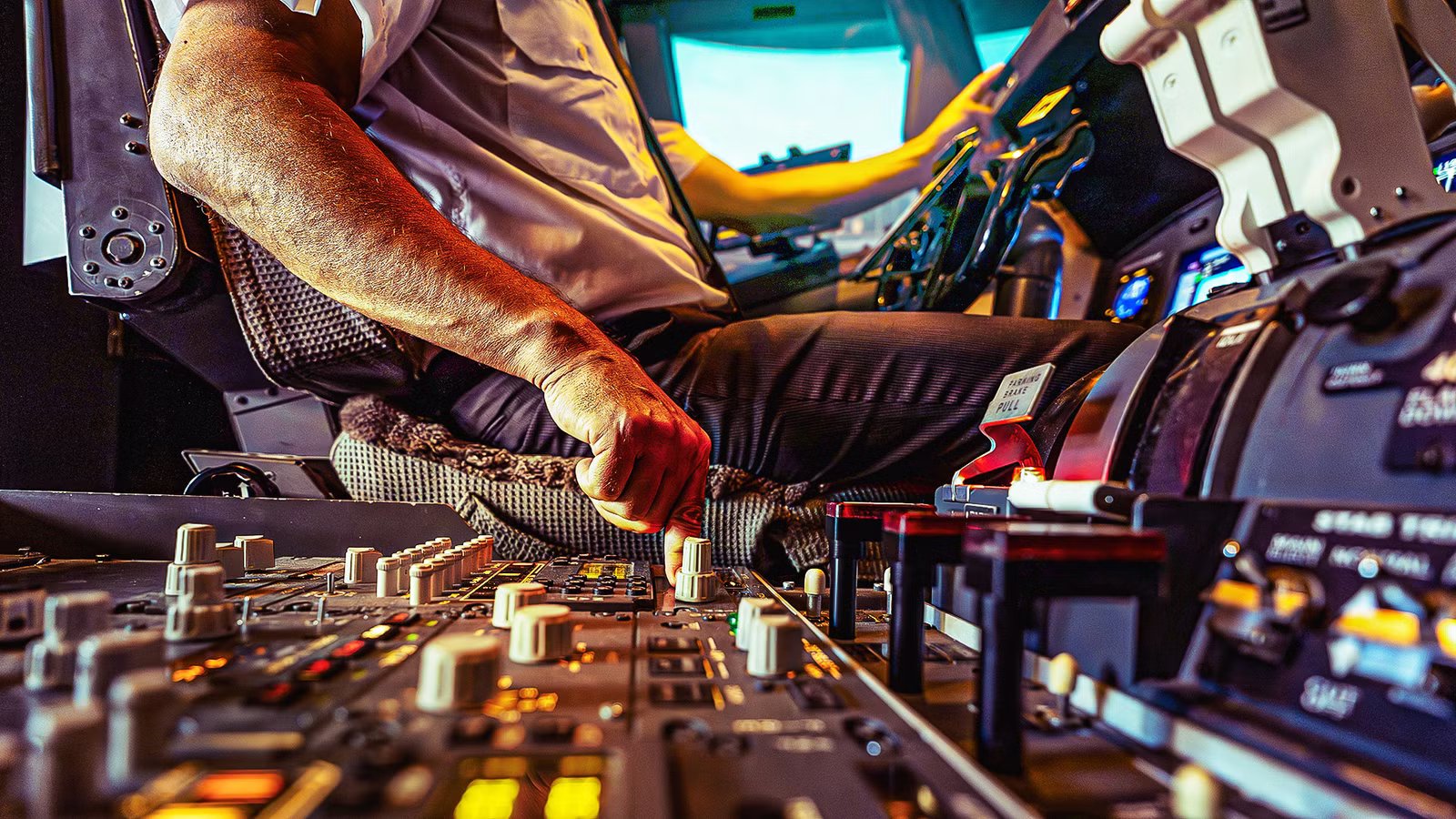
Flight deck crew on the A380 do not share rest facilities with cabin crew. Instead, they are provided with a dedicated pilot rest compartment, typically located on the upper deck just behind or adjacent to the cockpit. Located within the secure flight deck, this area is not accessible from the passenger cabin.
The separation is both practical and regulatory. Long-haul flights often operate with augmented crews — meaning additional pilots are onboard to rotate through rest cycles. Having a rest area close to the cockpit allows for smoother transitions between active and relief crews.
According to an A380 pilot who has showcased the setup online, the A380’s pilot rest area can include individual compartments for the captain and first officer, depending on configuration. Each space typically features a lie-flat bunk, adjustable lighting, and environmental controls that allow the resting pilot to regulate temperature and brightness. Safety equipment such as oxygen masks, flashlights, and fire extinguishers is also installed in accordance with certification requirements.
While compact, these compartments are designed to create a quiet, controlled environment that supports meaningful rest. On ultra-long-haul routes, even a few hours of quality sleep can significantly enhance alertness during critical phases of flight, such as approach and landing.
Crew Courtesy

Because the crew’s resting compartments are a shared space, etiquette plays an important role in keeping operations running smoothly. On long-haul flights, multiple crew members rotate through the bunks over the course of a single sector. Once a rest break is finished, it is standard practice to tidy the space immediately so the next crew member can settle in without delay.
That typically means folding blankets neatly, securing straps, drawing back curtains, and ensuring personal items are fully removed. Given that rest periods are often tightly scheduled — sometimes down to the minute — a well-prepared bunk allows the incoming crew member to maximize their allotted sleep time.
Some airlines go a step further. On certain carriers, there is an informal culture of replacing or refreshing bedding after each use as a professional courtesy. While cleaning standards are set by company procedures, voluntarily changing pillow covers or mattress toppers for the next colleague is often viewed as a small but meaningful gesture of respect.
In an environment where privacy is limited and space is compact, these small habits contribute to overall crew morale. The rest compartment may be hidden from passengers, but for the crew rotating through ultra-long-haul shifts, it functions as a shared sanctuary — and keeping it orderly is part of the professionalism that underpins long-distance operations.

Reactivations, Retirements, Retrofits: The State Of The Airbus A380 In 2026
Which airlines are still operating the Airbus A380 in 2026? What are their future plans? Which jets are getting refurbished cabins? This video examines the latest news.
Balancing Glamour With Operational Reality

The Airbus A380’s reputation is built largely on passenger experience — from private first class suites to expansive business class cabins. Yet behind the scenes, its hidden infrastructure tells an equally important story about how modern long-haul aviation functions.
The crew rest areas may lack the visual appeal of onboard lounges, but they represent a sophisticated response to the demands of ultra-long-haul flying. By incorporating dedicated rest modules into the aircraft’s architecture, Airbus enabled airlines to operate longer sectors without compromising safety or compliance.
For passengers, the knowledge that pilots and cabin crew have structured rest opportunities should offer reassurance. The A380’s design does not simply prioritize comfort in the cabin; it also recognizes the physiological realities of operating flights that can span nearly an entire day. In that sense, the superjumbo’s “hidden world” is not just an architectural curiosity — it is a critical component of how the aircraft safely connects continents.