dailynewsnblog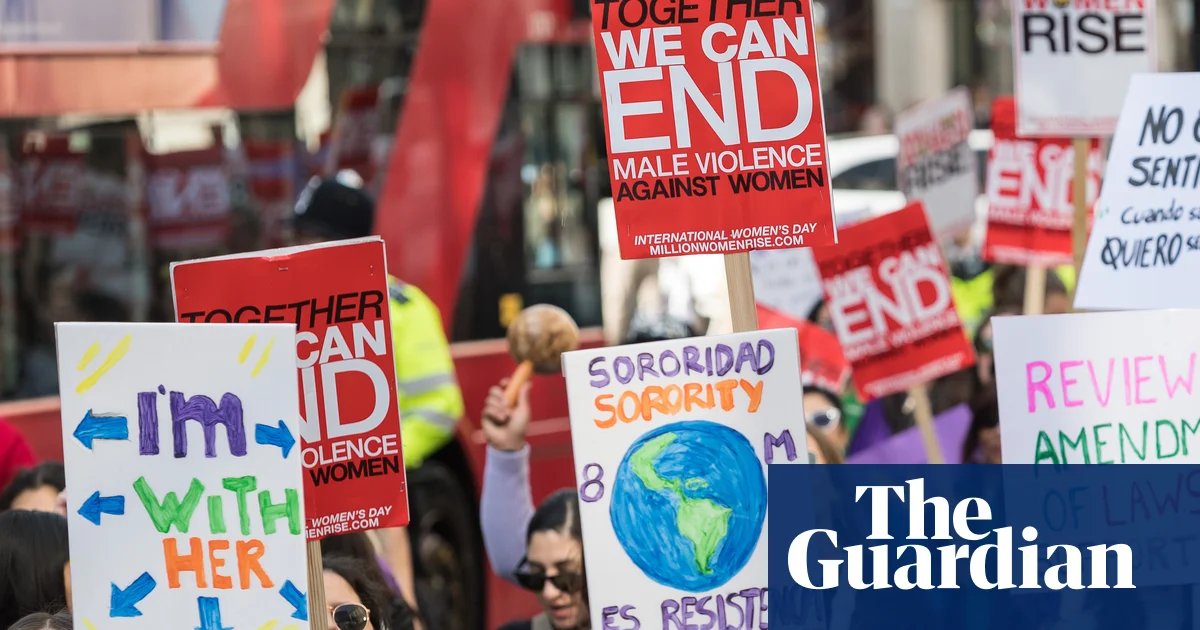
Institutions can be persuaded to take action on violence against women and girls only when some sort of “calamity” or “political scandal” hits the headlines, Jess Phillips has said.
Phillips, the minister for safeguarding and violence against women and girls, said she wanted to use the momentum from the Epstein files to push for long-term legislative change and greater support for survivors, rather than quick-fix reactive policy announcements.
Writing for the Guardian, the Labour MP for Birmingham Yardley said: “If repentance and sorrow is all we achieve out of the courage of the Epstein victims we will have failed, change is all that will suffice.
“The long-term strategy of the government must be exactly that – long term. I am proud of the challenge we have tried to rise to, of the [violence against women and girls] strategy with investment and system change at its heart, but we mustn’t let even that stand still, it must stretch when ambitions are met and it must never only be pulled out and waved around or cared about when it is politically expedient to do so. Epstein’s victims deserve better.”
But she added that she felt “weary, tired and frankly downright furious that women and children must wait for a crisis to get progress”, and criticised an attitude of “bleed first and act second”.
Phillips said Epstein’s victims deserved for the government ensure that “those who abused them are actually held accountable so they can’t do it again”. She called for investment in prevention so there was “less likely to be a future Epstein in a UK classroom today”.
“I have worked on this issue under many governments, it always felt a bit one tone, and investment in prevention has never been made. We had to change that, we had to write a strategy that would actually deliver on our commitment to halve violence against women and children,” she wrote.
There needs to be more than a “commitment”, and instead an aim that is “actually achievable and practically measurable” in order to hold the government to account and create a sense of focus, she added.
To achieve this, Phillips suggested that the NHS should prioritise abuse in the same way as diabetes; schools should be given tools to deal with how abuses affect their pupils to prevent them growing up as perpetrators of abuse or survivors; and addressing the £13bn lost annually in economic output to domestic abuse as a key component of improving economic growth and productivity.
On the BBC’s Sunday with Laura Kuenssberg programme, Yvette Cooper, the foreign secretary, said halving violence against women and girls over the next 10 years was “a priority and a mission” for Labour and across governmental departments.
“The real focus should be on Epstein’s victims, and also the work that this Labour government has been doing to tackle violence against women and girls,” Cooper said. “So that has to be about listening to women. It also has to be listening to survivors of violence.”