dailynewsnblog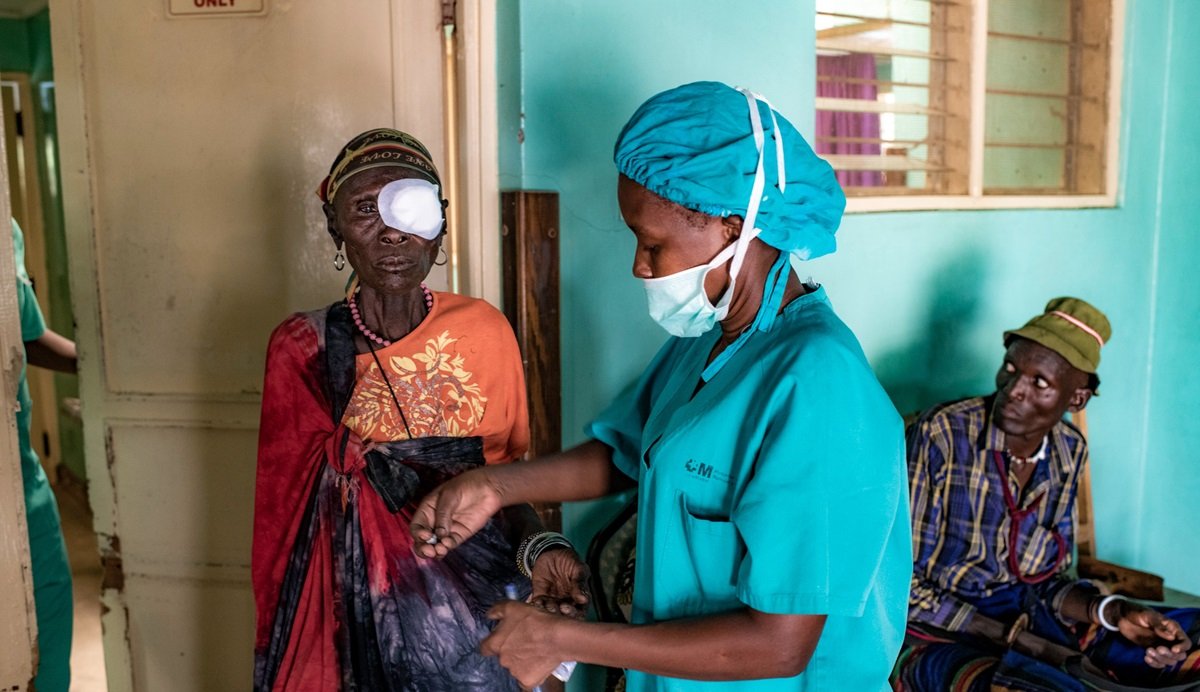
The World Health Organization (WHO) is urging countries to accelerate efforts to ensure that millions of people living with cataract can access simple, sight‑restoring surgery – one of the most effective and affordable interventions to prevent avoidable blindness.
A new study published today in The Lancet Global Health highlights the scale of the challenge: nearly half of all people across the world facing cataract‑related blindness still need access to surgery.
Cataract – the clouding of the eye’s lens that causes blurred vision and can lead to blindness – affects more than 94 million people globally. Cataract surgery – a simple 15-minute procedure – is one of the most cost-effective medical procedures, providing immediate and lasting restoration of sight.
Over the past two decades, global coverage of cataract surgery has increased by about 15%, even as ageing populations and rising cataract cases have increased overall demand. The latest modelling predicts the coverage for cataract surgery to rise by about 8.4% for this decade. However, progress needs to accelerate sharply to meet the World Health Assembly target of a 30% increase by 2030.
“Cataract surgery is one of the most powerful tools we have to restore vision and transform lives,” said Devora Kestel, Director a.i., WHO Department of Noncommunicable Diseases and Mental Health. “When people regain their sight, they regain independence, dignity, and opportunity.”
The study, which analyzed reports from 68 country estimates for 2023 and 2024 shows that the African Region faces the greatest gap, with three in four people who need cataract surgery remaining untreated. Women are disproportionately affected across all regions, consistently experiencing lower access to care than men.
These gaps reflect long-standing structural barriers, including shortages and unequal distribution of trained eye-care professionals, high out-of-pocket costs, long waiting times, and limited awareness or demand for surgery, even where services exist.
In addition, while age is the primary risk factor for cataract, other contributors such as prolonged UV-B exposure, tobacco use, corticosteroid use, and diabetes can accelerate its development.
Solutions for closing the gap
Ending unnecessary blindness from cataract is essential and achievable. Countries can accelerate progress by integrating vision screening and eye examinations into primary health care, investing in essential surgical infrastructure, and expanding and better distributing the eye-care workforce, particularly in rural and underserved areas.
Targeted efforts to prioritize women and marginalized communities will be critical to reducing persistent inequities and ensuring that gains in access benefit everyone.
WHO is calling on governments, civil society, and partners to build on existing momentum, address gender and geographic inequities, and prioritize underserved populations. With sustained commitment, cataract surgery can move from being out of reach for millions to a universally accessible intervention, helping to end avoidable blindness worldwide.