dailynewsnblog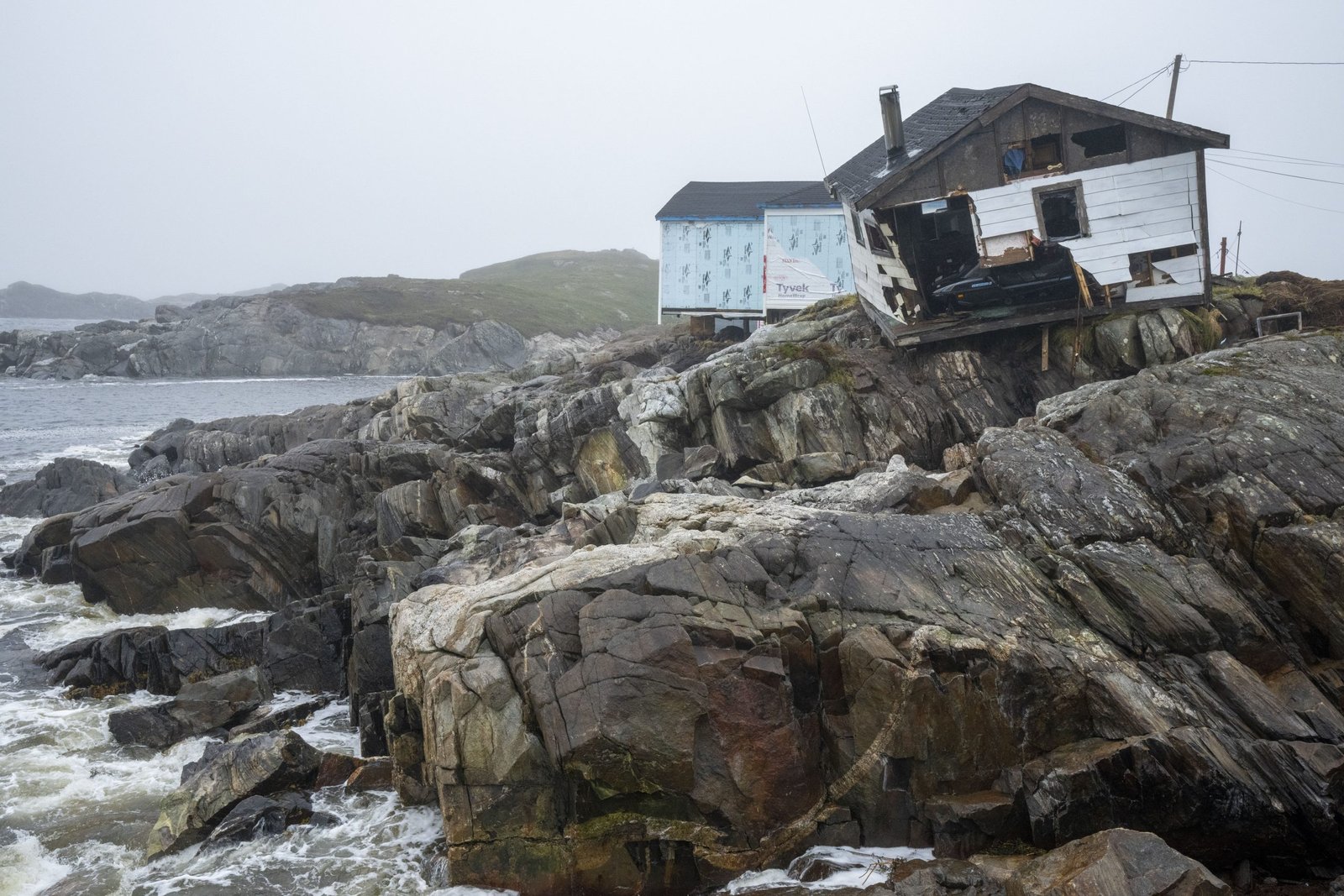
Preparing for, responding to, and recovering from disasters and other disruptive events requires a whole-of-society approach. We must take collective responsibility and work together to build a new culture of preparedness across Canada.
There is an old adage in emergency preparedness to “expect the unexpected.” The message was that, however rare, disasters can strike without warning, and we all need to take the steps to be prepared. While preparedness is more important than ever, we can no longer view these events as unexpected.
We are now firmly in a new era of rising disasters and emergencies that hit one after another. The headlines of disasters and emergencies occurring in faraway places have steadily been replaced with the names of communities right here in Canada.
Fifteen years ago, more than 80 per cent of the large disaster responses for the Canadian Red Cross were international. Today, more than 80 per cent of our large-scale responses are domestic. In my more than 17 years as CEO of the Red Cross, it is the most significant change that I have witnessed.
The past summer’s wildfire season was the largest domestic response in the modern history of the Canadian Red Cross, surpassing the response to the COVID-19 pandemic. It wasn’t a single event that made this true, but the collective response across multiple provinces for months on end, stretching from the Rockies to the Maritimes.
More than 60,000 people were displaced, many travelling hundreds of kilometers to available lodging and shelter. Over 1,250 flights were chartered by our teams, evacuating more than 16,750 people out of remote communities. As the summer wore on, many people were forced to leave their homes more than once.
This is just the latest in a trend of increasingly frequent and complex events here at home. We can no longer treat these events as exceptional. We must move beyond reacting to disasters and emergencies in the moment and prepare for this new reality.
While the growing climate crisis has brought much needed attention to the impacts on the nation’s infrastructure, there is still too little attention being given to the impacts on people. Understanding local risks and strengthening community-led responses to disasters must become our baseline approach to preparing for crises. From there, we need a strong civilian response capacity that can be mobilized across the country to provide additional support where needed, especially during large or complex events.
In 2021, the Government of Canada invested in baseline funding for the Red Cross’ emergency response capacity under a federal program, which also provided support to other actors in the humanitarian field. This new capacity has been vital in supporting our recent responses as well as other large events such as the wildfires that devasted Jasper Alberta in 2024 and the widespread damage Hurricane Fiona brought to Atlantic Canada in 2022.
The program funding is scheduled to end in March, but we cannot afford to lose the capacity that has been built, which includes more than 6,700 Red Cross personnel ready to deploy, most as trained volunteers. This is a critical element of our ability to meet the rising needs in this country. However, it is not the only force at play.
In addition to the handful of large organizations that provide humanitarian services and relief during times of need, there are hundreds of locally based organizations that are often described as non-traditional actors in the emergency management space. More than 2,000 such groups have partnered with us in recent years. These are the groups providing social services, running food banks, shelters and other vital supports in our communities year-round, often relying heavily on volunteers.
When a community experiences a disruptive crisis or disaster, it is critical that these organizations receive support to keep operating. If they don’t, the most vulnerable people, already the most adversely impacted, experience further harm.
This month, the Red Cross is hosting more than 50 organizations in Ottawa for the Ready 2026 conference, bringing together longtime disaster response groups alongside dozens of non-traditional actors. Now in its third year, the event offers a rare opportunity to share experiences from the past year’s crises and to connect leaders across communities, organizations, and levels of government. By fostering these conversations, Ready 2026 strengthens the networks that keep communities resilient when disasters strike.
Preparing for, responding to, and recovering from disasters and other disruptive events requires a whole-of-society approach. We must take collective responsibility and work together to build a new culture of preparedness across Canada. Together, we can be ready.
Conrad Sauvé is the president and CEO of the Canadian Red Cross.
The views, opinions and positions expressed by all iPolitics columnists and contributors are the author’s alone. They do not inherently or expressly reflect the views, opinions and/or positions of iPolitics.