dailynewsnblog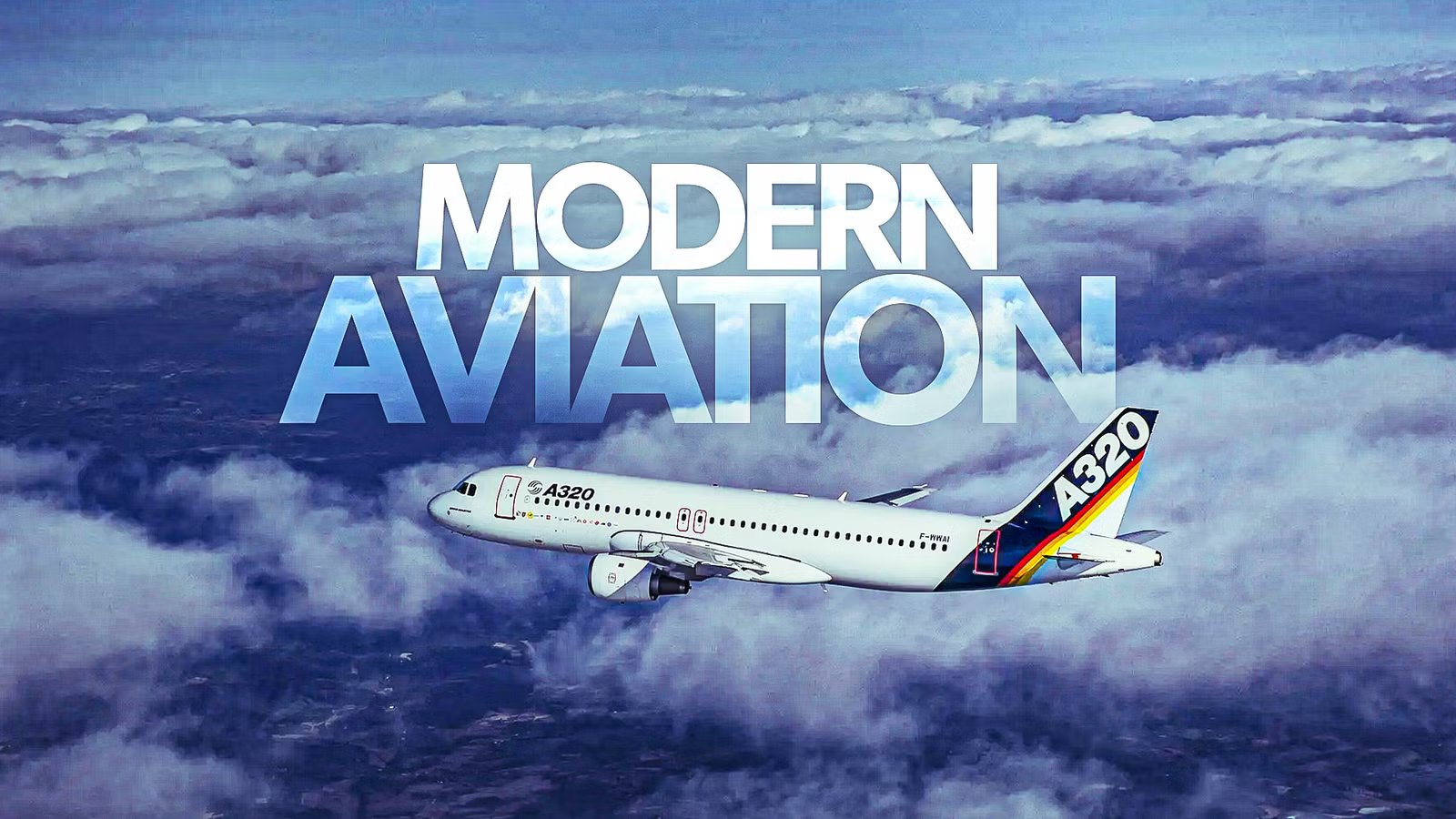
The evolution of modern aviation is inextricably linked to the bold engineering gambles taken by a European consortium that sought to challenge the established American dominance of the skies. When Airbus first emerged, the global market was largely a playground for  Boeing, McDonnell Douglas, and Lockheed, leaving little room for a newcomer with radical ideas about efficiency and cockpit design. However, over the last five decades, the manufacturer has systematically dismantled the traditional hierarchy, introducing technologies that have become the de facto standards for the industry. This list examines six specific airframes that broke the status quo, altering the economics of travel and the way pilots interact with their machines.
From the first digital fly-by-wire controls to the introduction of the widebody twin-jet, each entry represents a milestone that allowed airlines to operate more profitably and safely. These aircraft have provided the range and capacity to connect the world more efficiently than ever before. The Airbus story is one of continual growth, standing today as the most impactful commercial aircraft manufacturer in the world.
6
Airbus A321XLR
Long-haul narrowbody

One of the latest releases but also one of the most game-changing, the Airbus A321XLR represents the ultimate evolution of the A320 family, pushing the boundaries of what a single-aisle aircraft can achieve. Incorporating a permanent rear center tank to increase fuel capacity, Airbus has created a narrowbody capable of flying genuine long-haul missions that could never have been achieved before on an aircraft of this category. This development allows airlines to bypass major hubs and connect secondary cities directly, fundamentally changing the point-to-point travel model that dominates the current decade.
With a range of 4,700 nautical miles (8,704 km) and a capacity of up to 244 passengers, the XLR delivers narrowbody economics to routes as long as 11 hours. This efficiency is particularly valuable for low-cost carriers and full-service airlines alike, as it significantly lowers the risk of opening new intercontinental paths.
|
Feature |
A321ceo (Legacy) |
A321neo |
A321XLR |
|
Typical Range |
3,000 nautical miles |
3,500 nautical miles |
4,700 nautical miles |
|
Max Capacity |
220 Passengers |
240 Passengers |
244 Passengers |
|
Fuel Burn |
Baseline |
-15% |
-30% (vs. previous gen) |
|
Typical Routes |
Domestic/Regional |
Transcontinental |
Intercontinental |
The vital importance of the A321XLR lies in its ability to democratize long-haul travel by making over 1,000 new routes commercially viable. It provides a strategic solution for carriers looking to maintain frequency without the high overhead of a widebody, offering a quieter and more fuel-efficient alternative to the aging fleets of the past.
5
Airbus A350
Built for the future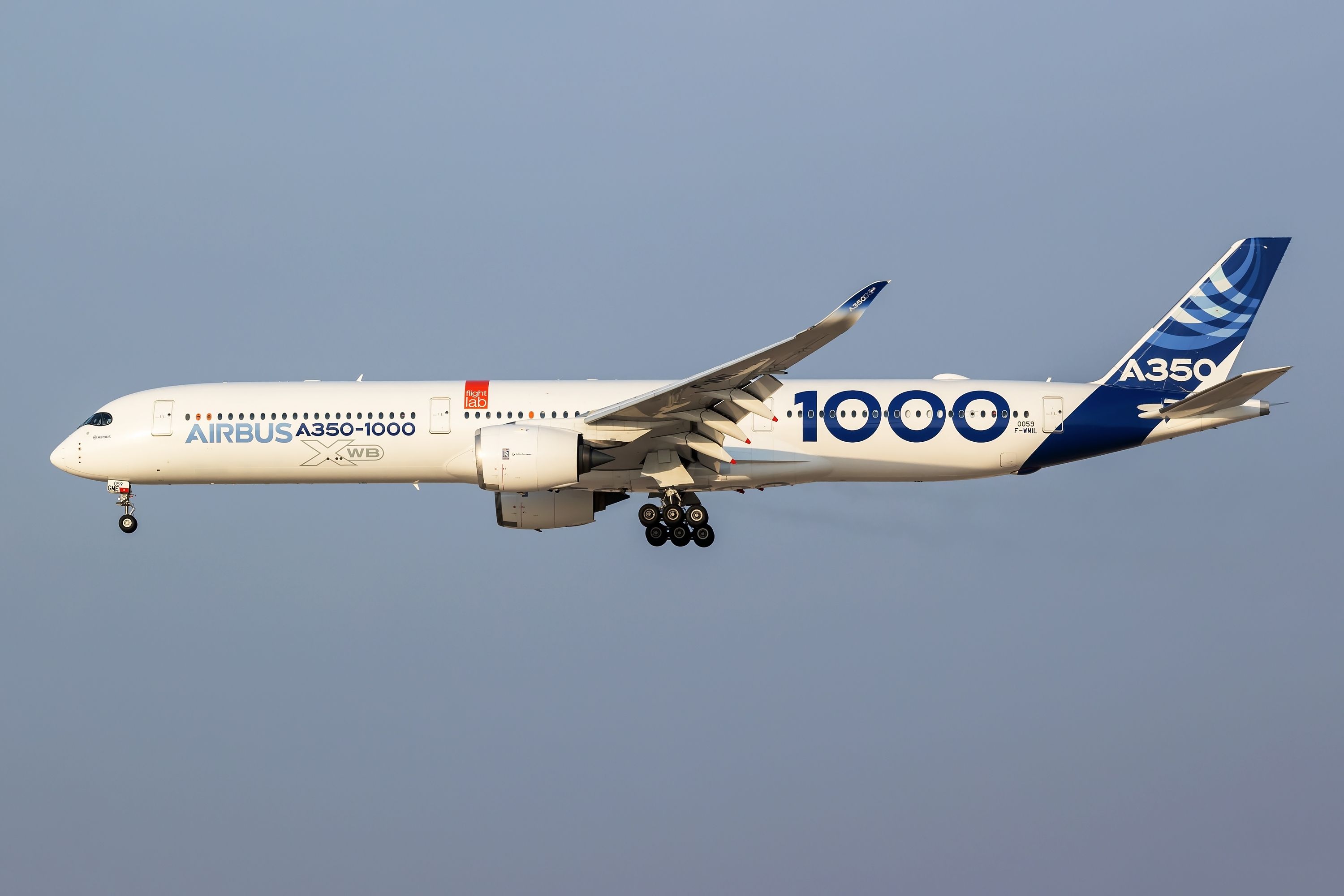
The Airbus A350 represents Airbus’ venture toward advanced material science, serving as the first Airbus airframe constructed primarily from carbon-fiber reinforced plastic. This clean-sheet design was a direct response to the global demand for a highly efficient, long-range widebody that could surpass the performance of previous metallic generations.
With over 70% of its structure made from advanced materials, the A350 achieves a 25% reduction in fuel burn compared to its aluminum predecessors. This weight saving is crucial for ultra-long-haul missions, such as the 15,348-kilometer (9,537-mile) flight from Singapore to New York. The fuselage is 5.61 meters (18 feet 5 inches) wide, hence the Xtra Wide Body designation.
The A350 provides the airlines that have become so heavily dependent on it with simplified maintenance and superior economics. It requires 50% fewer maintenance tasks than older models, with heavy airframe checks scheduled every 12 years instead of eight. It has become the flagship for many airlines across the world, and is likely to remain so for quite some time.

Why The Airbus A350 Has Such An Ultimate Passenger Experience
Discover why the Airbus A350 offers the ultimate passenger experience — quieter cabins, roomier seats, and comfort praised by flyers worldwide.
4
Airbus A380
Largest passenger airliner ever built
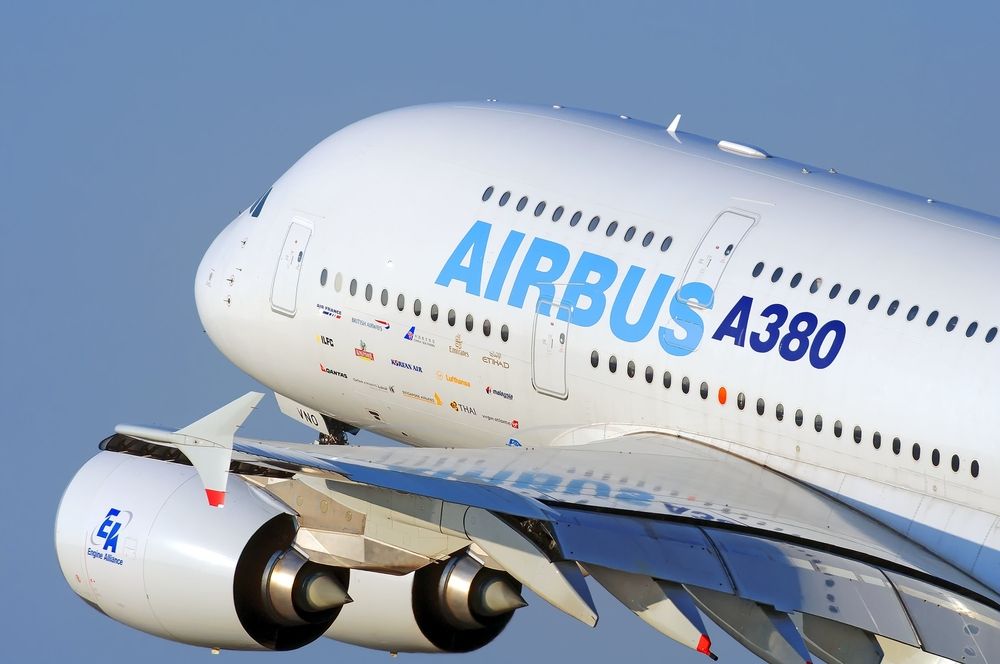
The Airbus A380 still remains the largest passenger airliner ever built, a double-deck behemoth that represented the pinnacle of the hub-to-hub travel philosophy. Entering service in 2007, this aircraft was designed to alleviate airport congestion by carrying over 500 passengers in a typical four-class configuration. Its massive wingspan of 79.75 meters (261 feet 8 inches) and a length of 73 meters (240 feet) necessitated major infrastructure upgrades at airports around the globe.
Engineering this aircraft required the filing of over 380 patents, covering everything from noise-reducing acoustic paneling to advanced 34.5 megapascal (5,000 pounds per square inch) hydraulic systems. These innovations were necessary to manage the weight of an aircraft with a maximum takeoff weight of 575,000 kilograms (1,267,658 pounds). The use of Glare, which is a laminate made of alternating layers of aluminum and glass-fiber reinforced adhesive, provided significant weight savings and fire resistance for the upper fuselage.
The industry eventually looked toward smaller, more frequent point-to-point flights, which resulted in many of the technologies developed for the A380, such as advanced power electronics and wing design, being migrated directly to newer models like the A350. By the end of its production, the aircraft had transported more than 300 million passengers. In short, the A380 is the most impressive technical achievement and its most instructive commercial miscalculation.
3
Airbus A330
Long Term Reliability
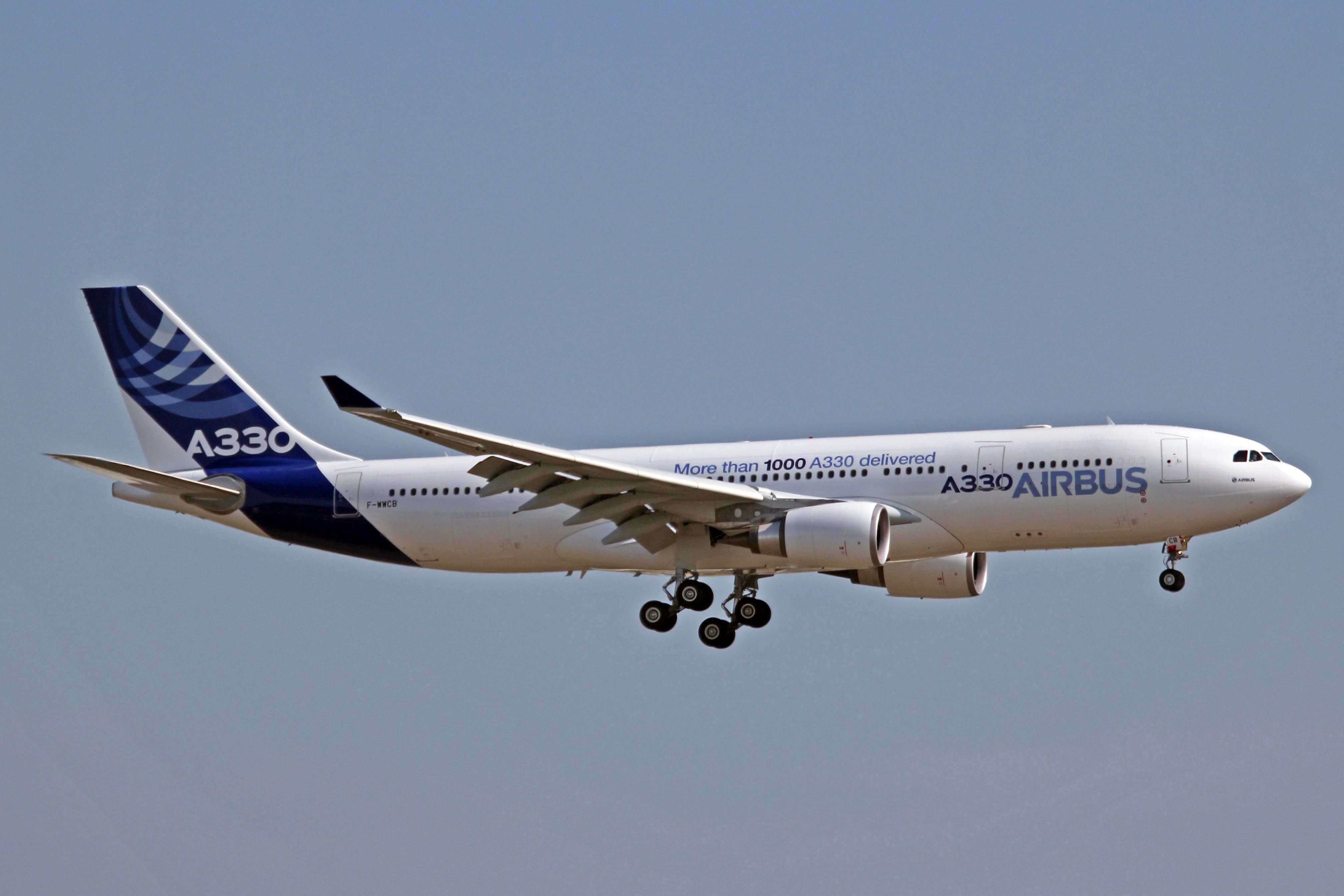
The Airbus A330 entered commercial service in January 1994, serving as a twin-engine counterpart to the four-engine A340, but ended up becoming far more than just a sidekick. Developed in parallel with its quad-jet sibling, the A330 was designed to provide airlines with superior economic efficiency on medium-to-long-haul routes. With a length of 63.66 meters (208 feet 10 inches) for the -300 variant, it offered a versatile platform that could handle both high-density regional hops and intercontinental missions.
This aircraft became a pioneer in achieving extended-range twin-engine operational performance standards, eventually receiving ETOPS-240 approval, the first to do so. This certification allowed the A330 to fly up to 240 minutes away from a suitable diversion airport, a milestone that opened up direct transoceanic corridors previously reserved for jets with three or four engines. To date, the A330 fleet has accumulated over 72 million flight hours while maintaining an extraordinary operational reliability rate of 99%.
The A330 successfully demonstrated that two engines were more than sufficient for the vast majority of global long-haul routes, drastically reducing fuel and maintenance costs for operators. Even in 2026, the A330 remains a staple of the global fleet, with the newer NEO variants continuing the legacy of an airframe that fundamentally reshaped the economics of international travel.
2
Airbus A320
The Face Of Modern Aviation
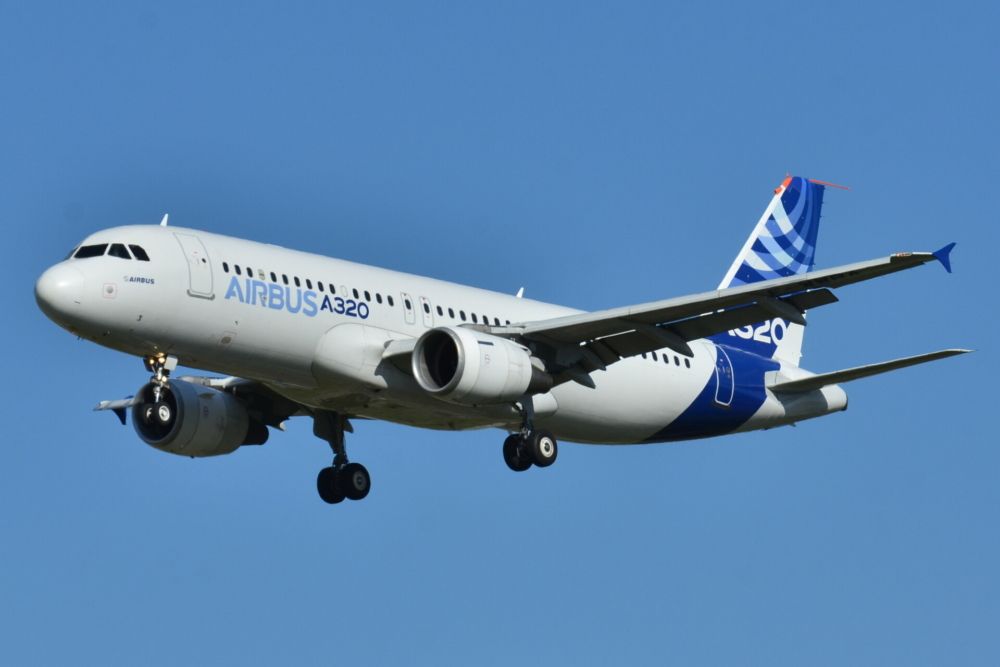
The Airbus A320 debuted in 1988 as a radical departure from conventional aerospace engineering. It was the first civil aircraft to introduce full digital fly-by-wire technology, replacing the traditional network of heavy cables, pulleys, and hydraulic lines with an electronic interface. This shift allowed computers to interpret pilot inputs and maintain optimal flight parameters across its 37.57-meter (123-foot 3-inch) frame.
The decision to move to digital signaling was a massive gamble for the manufacturer. Linking flight control surfaces to computers, Airbus created a platform where the flight control surfaces were now linked to computers that made the aircraft respond as the pilot commanded. With over 19,700 total orders, it has become the best-selling airliner in history, representing a standard for efficiency.
|
Feature |
Conventional Systems |
Digital Fly-by-Wire (A320) |
|
Control Linkage |
Steel cables, pulleys, and cranks |
Side-stick controllers and copper wiring |
|
Weight |
High (due to mechanical hardware) |
Significantly lower (electronic signaling) |
|
Pilot Assistance |
Manual feel and physical feedback |
Flight envelope protection and automation |
|
Maintenance |
Frequent lubrication and tensioning |
Diagnostic software and electronic testing |
The A320 brought with it a true standardization of the flight deck across the entire family. This technology enabled cross-crew qualification, allowing pilots to transition between different models with minimal additional training. It transformed the cockpit from a purely mechanical environment into a sophisticated digital workspace, setting the safety standard for all subsequent commercial jets in the sky.

The Striking Differences Between The Airbus A320 & Boeing 737 Cockpits
Explore the striking Airbus A320 vs. Boeing 737 cockpit differences, from sidesticks to noise, and learn how pilots see these iconic flight decks.
1
Airbus A300
Pioneered the twin-engine widebody concept
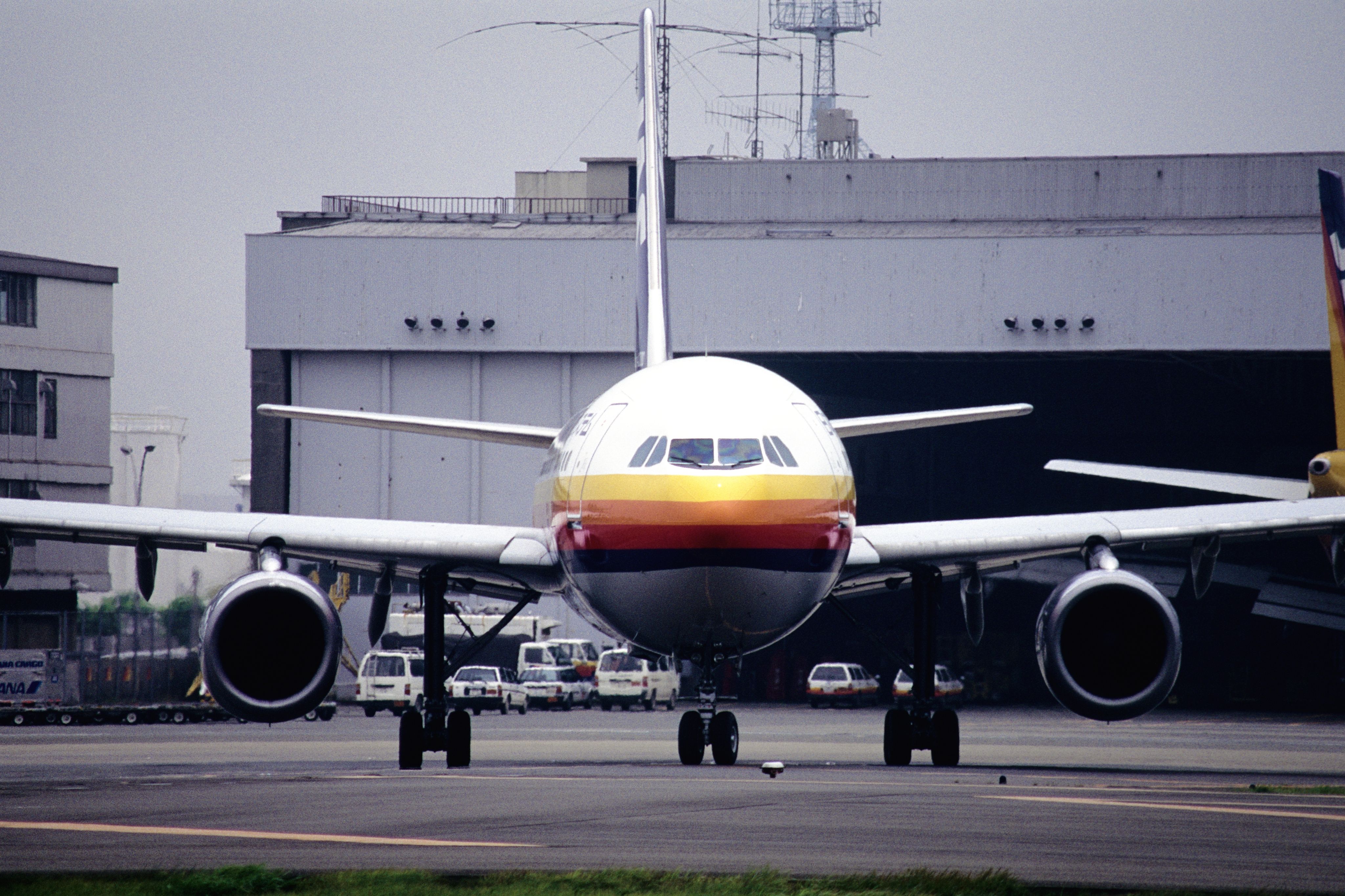
When the Airbus A300 entered service in 1974, it was met with skepticism by an industry that believed long-haul flight required at least three or four engines. Airbus engineers defied this convention by building the world’s first twin-engine widebody, a gamble that eventually made the three-engine tri-jet obsolete. With a length of 53.61 meters (175 feet, 11 inches) and a wingspan of 44.83 meters (147 feet, 1 inch), the A300 offered the capacity of a heavy jet with the operating economics of a much smaller aircraft.
The legacy of the A300 was cemented in 1977 when the A300B4 became the first ETOPS-compliant aircraft. This allowed it to fly more efficient routes over water, proving that two engines were reliable enough for extended transoceanic travel. Furthermore, in 1982, it introduced the world’s first widebody cockpit designed for just two pilots, eliminating the flight engineer role and setting the standard for every modern flight deck in operation today. Luigi Martinelli of Princeton University described the aircraft’s legacy as a “successful demonstration of the widebody twin-jet configuration” that became the “de facto standard.”
The importance of the A300 to the entirety of modern aviation cannot be overstated; it is the foundation upon which the entire Airbus empire was built. It challenged the established American manufacturers and proved that a European consortium could lead the world in aeronautical innovation. Pioneering the twin-engine widebody concept and the two-crew cockpit, the A300 created the blueprint for the highly efficient, automated aviation industry we recognize today.