dailynewsnblog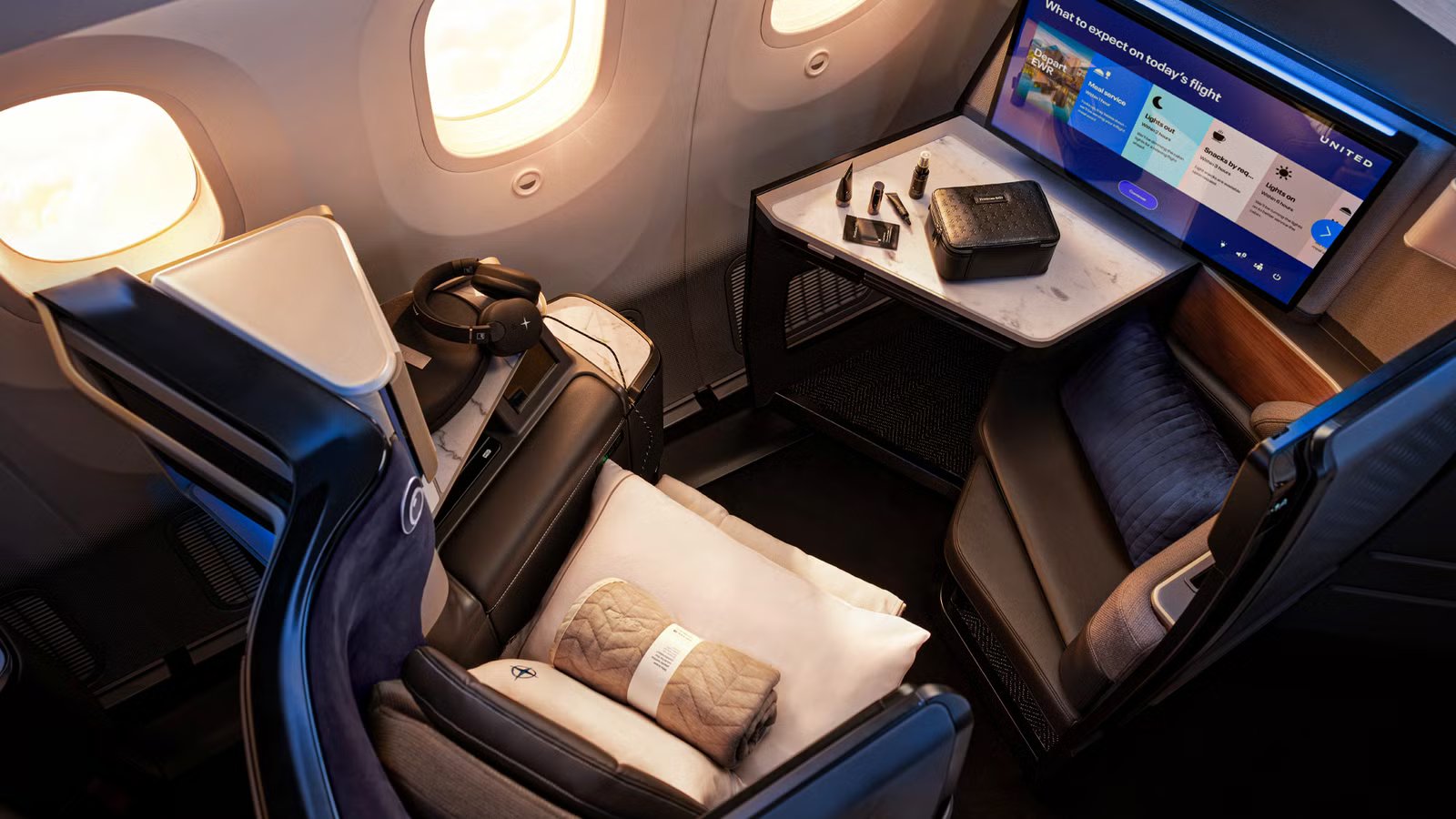
Unlocking the secrets of the premium cabin requires looking beyond the champagne and silk eye masks to the complex algorithms that dictate every dollar spent. Business class pricing often appears as a chaotic black box to the average traveler, yet it operates on a series of rigid, data-driven principles designed to maximize revenue for the carrier. Understanding these hidden mechanisms matters because it empowers travelers to recognize when a fare is a genuine deal or a strategic inflation of cost.
The following list is based on deep-dive industry data from 2026 and the latest shifts in revenue management observed by global aviation experts. This article examines criteria ranging from physical hardware specifications to corporate negotiation tactics that never reach the public eye. Pricing is always based on strategy, and every airline has its own strategy to maximize revenue on one of the most lucrative products in the industry.
A Tier Within A Tier
The enhancement of the basic business seat

Many US airlines have largely abandoned international first class as a standalone product. Instead of maintaining a separate, ultra-exclusive cabin that is difficult to fill, carriers are opting to differentiate within the same business class cabin by offering premium seating options at an additional cost, with airlines like JetBlue offering such upgrades. This allows airlines to extract more value from their most desirable seating without the overhead of a dedicated first class galley or specialized crew. It creates a tiered experience where travelers can pay more for a front-of-cabin suite while others in the same cabin have slightly fewer amenities.
First class was the crown jewel of the skies, but the modern traveler is increasingly satisfied with a high-quality business product that offers similar comfort, such as  Qatar Airways Qsuite. Cabin evolution is redefining what premium means in the market, moving away from luxury for luxury’s sake and toward functional, tiered convenience. Major carriers are finding that a business class plus seat, which might feature extra legroom or a larger display, can be sold for a significant premium over a standard business seat. Airlines here can capture the revenue from those who previously flew first class while simplifying the airline’s operational complexity.
The financial logic behind this transition is undeniable, as it maximizes the revenue density of the aircraft. By removing the bulky first class seats, airlines can fit more business class suites into the same square footage. This trend is not limited to the US; global carriers are watching the success of these tiered business cabins to see if they can replicate the model. For the passenger, this means the highest level of service on a domestic or international flight is no longer first class but a specialized business plus experience that requires a savvy understanding of seat maps and upselling tactics.
Newer Means Costlier
Hiking prices for newer products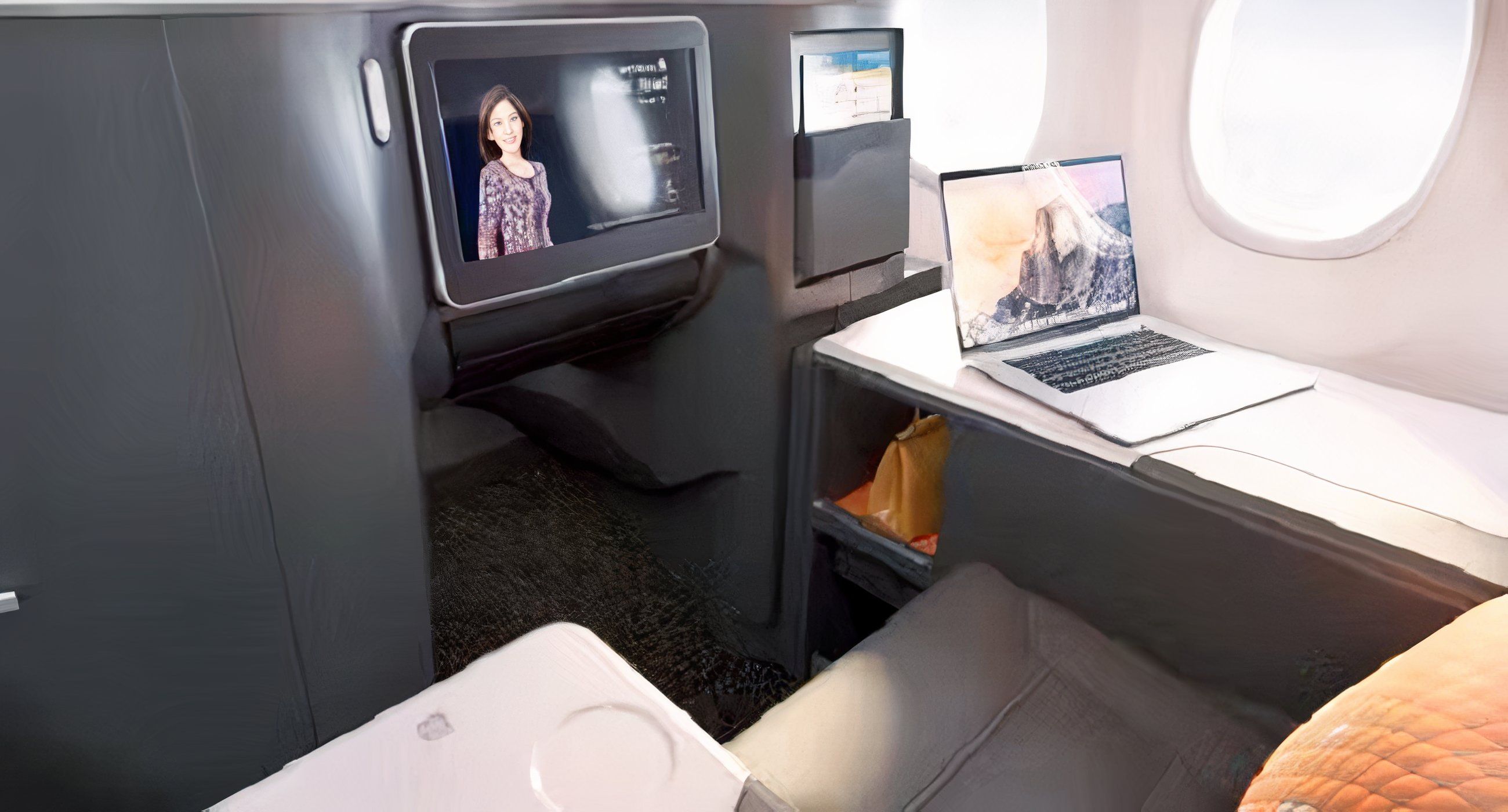
A newly refreshed suite-style cabin with direct aisle access almost always brings with it a much higher price than an older configuration. Features such as lie-flat beds, lie-flat suites, spacious seating, enhanced privacy, and premium food all contribute to higher business class prices. When an airline announces a new suite product, they are almost announcing to the market that they intend to raise fares on that specific route. Such a hardware-driven pricing model ensures that the newest, most comfortable aircraft are also the most profitable for the carrier.
Airlines meticulously track which aircraft are scheduled for specific routes to ensure their highest-revenue flights offer the best available hardware. If a flight is swapped from a modern 787-9 with private suites to an older 777 with a 2-3-2 configuration, the price usually does not drop, but the value proposition for the passenger changes dramatically. The quality of the seat itself directly influences the price because travelers are willing to pay a significant premium for guaranteed privacy and comfort during a long journey. This is particularly true for overnight flights where a lie-flat bed is the difference between a productive day and total exhaustion.
|
Feature |
Impact on Base Fare |
Average Pitch |
Privacy Level |
|
Open-Plan Lie-Flat |
Standard premium |
78-80″ (198-203 cm) |
Low (Open view) |
|
Enclosed Suite |
15-25% increase |
80-82″ (203-208 cm) |
High (Sliding door) |
|
Angled-Flat Seat |
Discounted tier |
60-72″ (152-183 cm) |
Low (Limited privacy) |
|
Direct Aisle Access |
10% increase |
N/A |
Medium |
Hardware investments are multi-million dollar risks that take years to pay off, which is why airlines are so protective of their premium pricing. Enhanced privacy features like sliding doors have become the norm, allowing airlines to charge front row premiums. Even the presence of high-speed Wi-Fi or a larger high-definition screen can justify a higher fare bucket in the eyes of revenue managers. For the passenger, this means that business class is now no longer a uniform product.
Benefits Of Corporate Travel
Why large businesses get cheaper rates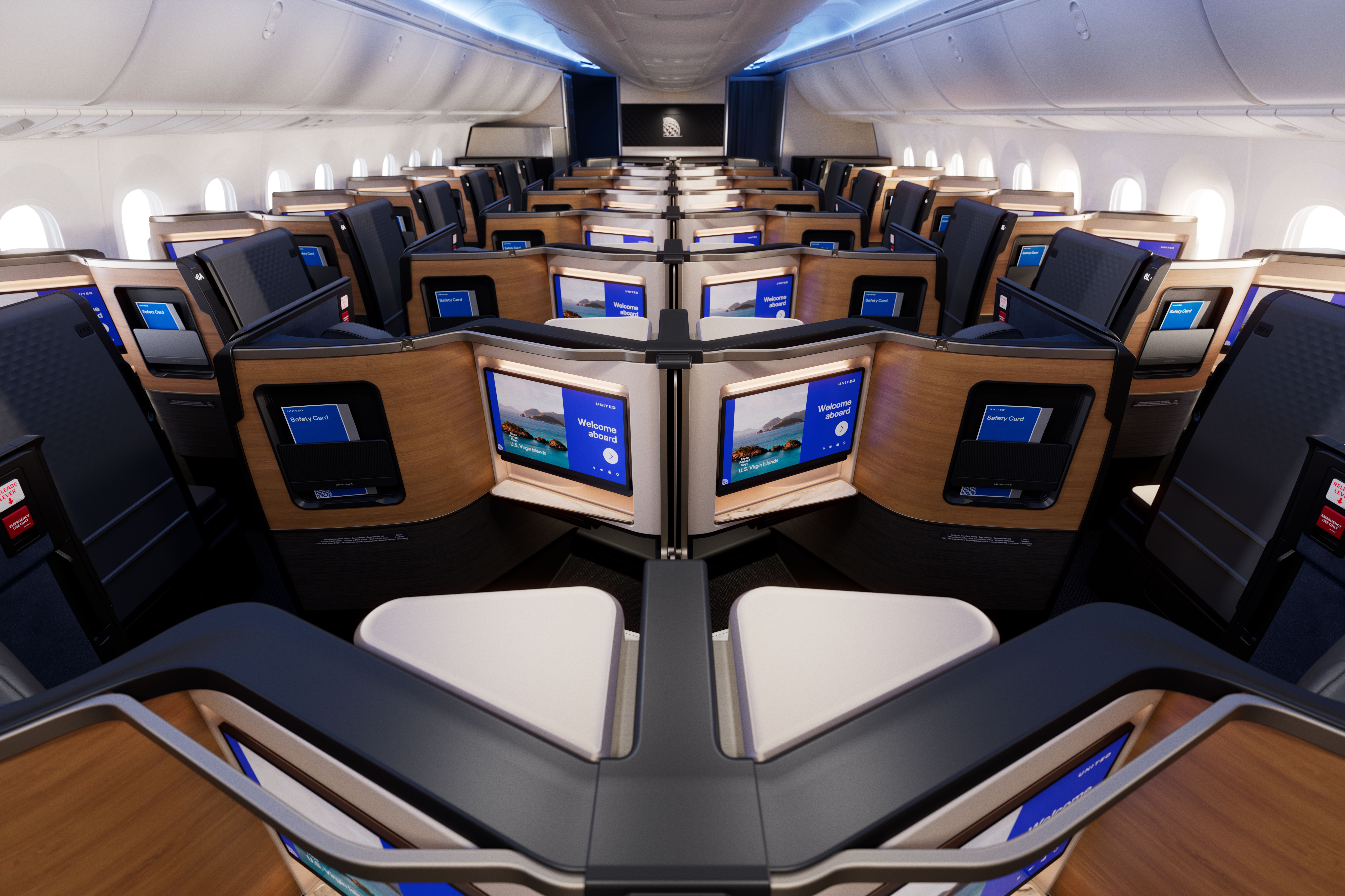
Large businesses, especially those that rely heavily on the airline industry for their operations, sign contracts with airlines that allow access to special, negotiated business class rates typically not available to individual travelers. These private agreements are why public fares can sometimes seem much higher, as they are essentially placeholder prices for the general public while the bulk of the cabin is filled by corporate partners. Corporate negotiated fares are never visible to the public, creating a skewed perception of what the average seat cost truly is. If you see a seat priced at $8,000, your seatmate from a Fortune 500 company may have paid only $4,000.
Airlines value these corporate relationships because they provide a steady, predictable stream of high-value travelers who book throughout the year. To maintain these partnerships, carriers offer soft perks in addition to lower fares, such as guaranteed availability or waived change fees. This means the high price on the website is often a result of corporate demand eating up the available inventory before it ever goes on sale to the public. These negotiations are handled behind closed doors by specialized sales teams, far removed from the dynamic pricing engines that the average person interacts with on a travel site.
Contracts like this often include kickback incentives or volume-based rebates that further reduce the effective cost for the corporation. It is a truly opaque system that makes it difficult for individual travelers to hack business class pricing, as they are competing against entities that buy thousands of seats at once. Unless you are a member of a large organization or a high-volume travel agency, you are likely seeing the retail price of a product that is mostly sold at wholesale rates.

Here’s What Cabin Crew Notice About Passengers Flying Business Class For The 1st Time
Premium cabin demand has only continued to grow.
Optimizing Pricing In Real Time
Revenue management systems staying one step ahead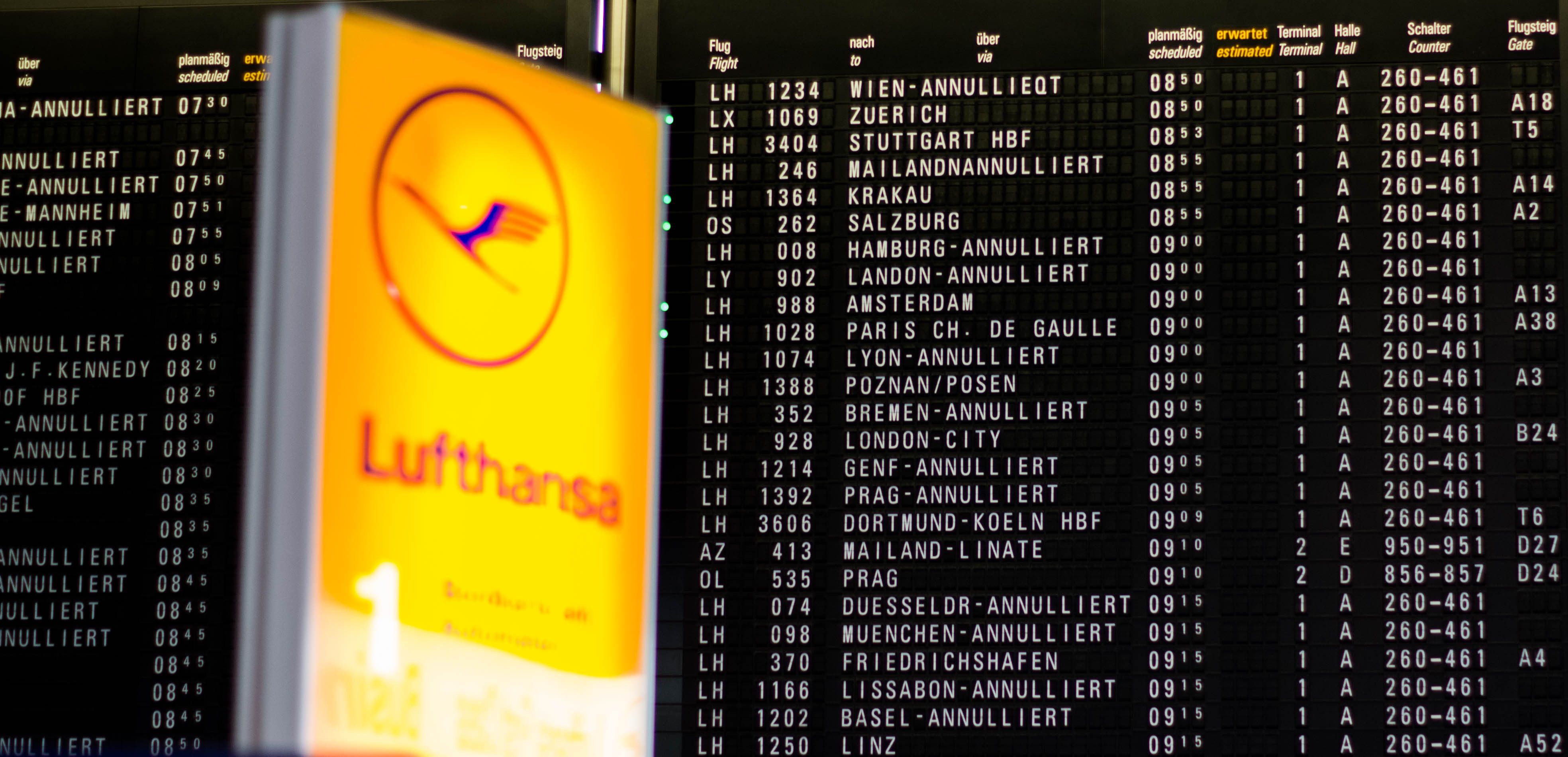
Revenue management systems are always scanning the market for signals, making thousands of tiny adjustments to price points every single day. If business class seats are selling much slower than forecasted, the system detects a weak pulse and gets ready to lower prices to stimulate demand. Conversely, a sudden rush of bookings sends the opposite signal, triggering immediate fare increases to capitalize on the urgency of the market. Algorithms adjust prices in real time based on booking velocity, ensuring the airline maximizes the revenue potential of every single seat before takeoff.
Digital revenue bots use historical data to predict exactly how many seats should be sold at a given time before a flight. For example, if a particular flight to London is 30% full three months out, the system may flag it as underperforming and drop the price to entice early bookers. This creates a volatile environment where a price can change between the time you search for a flight and the time you enter your credit card details. The speed of these adjustments has increased dramatically, with some systems updating fares every few minutes based on global search trends.
Market conditions like a sudden tech conference or a local festival can send booking velocity into overdrive, prompting the algorithm to spike prices instantly. Because these systems are automated, they don’t wait for a human manager to sign off on a price change; they react instantly to the digital footprints of travelers. It means that waiting for a deal is a dangerous game to play with a computer that knows exactly how much you are likely to pay.
Classifying The Cabin
Fare classes and fare codes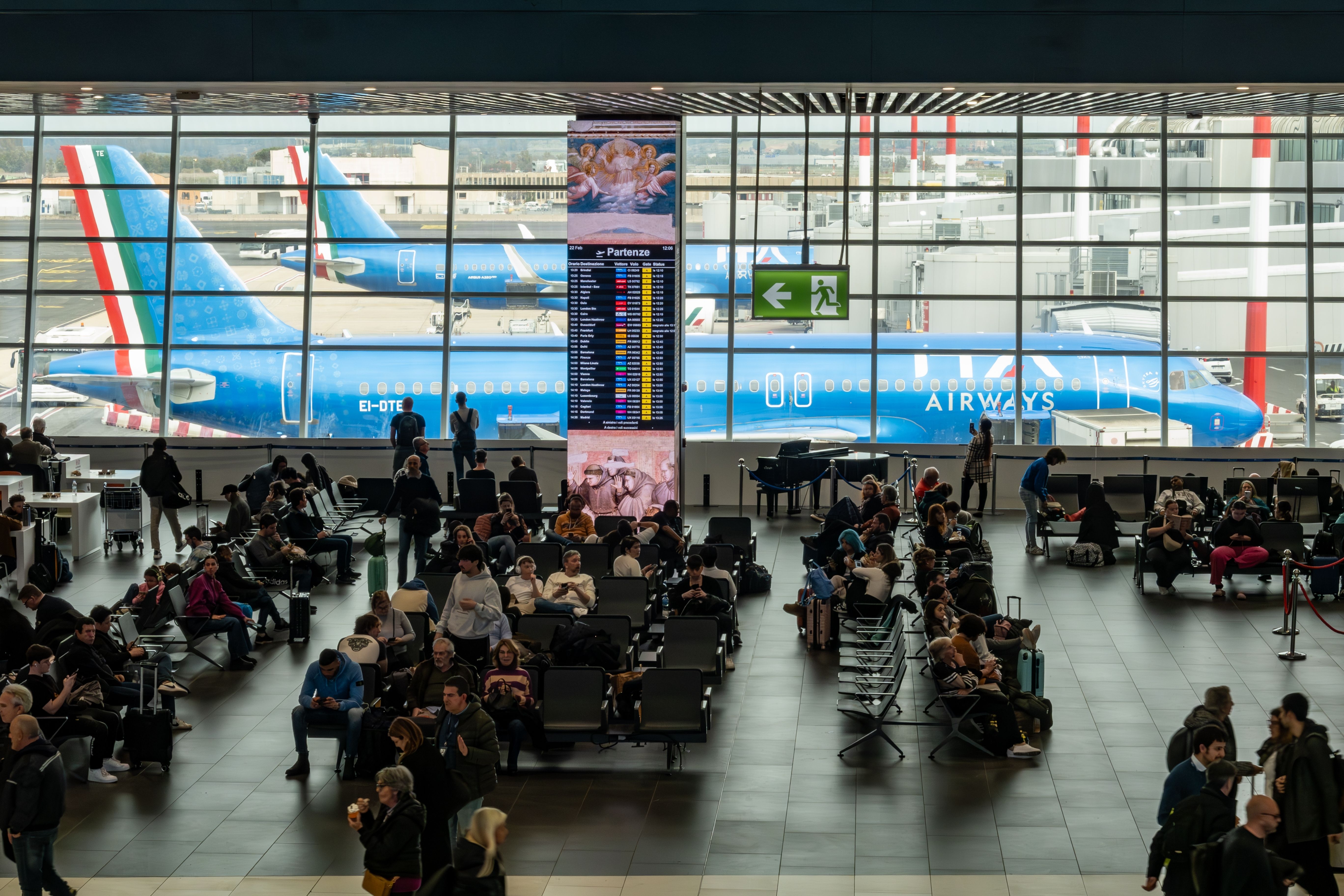
Airlines divide each cabin into different fare classes or buckets, which act as hidden price tiers within the same physical space. Even though two passengers may sit in the same business class seat, they may have paid very different prices based on which fare bucket they booked into. Cheaper buckets are released first and gradually closed as seats sell, forcing later bookers into more expensive alphabetical categories like J or C. The system allows airlines to offer early-bird discounts while still capturing maximum profit from last-minute travelers who have no choice but to pay.
Alphabetical codes represent different levels of flexibility and price within the business cabin. An I fare might be a non-refundable, highly discounted ticket with limited mileage earnings, while a J fare is a fully flexible, full-fare ticket that can be changed at the last minute. This granular level of categorization ensures that the airline doesn’t leave money on the table by selling a seat for $3,000 to someone who would have been willing to pay $6,000. Every seat on the plane is essentially a separate auction happening in slow motion over several months.
Cheaper buckets are often limited to just a few seats per flight, which is why you might see an ‘only two seats left at this price’ warning. Once those two seats are gone, the entire cabin’s price resets to the next most expensive bucket. It is classic urgency marketing, yet it is rooted in the hard math of inventory management. Finding the I or D bucket is the holy grail of premium travel, requiring either extreme advanced planning or a bit of algorithmic luck. Today, these buckets have become even more dynamic, with some airlines creating micro-buckets that vary by just a few dollars to test the limits of what a passenger will spend.