dailynewsnblog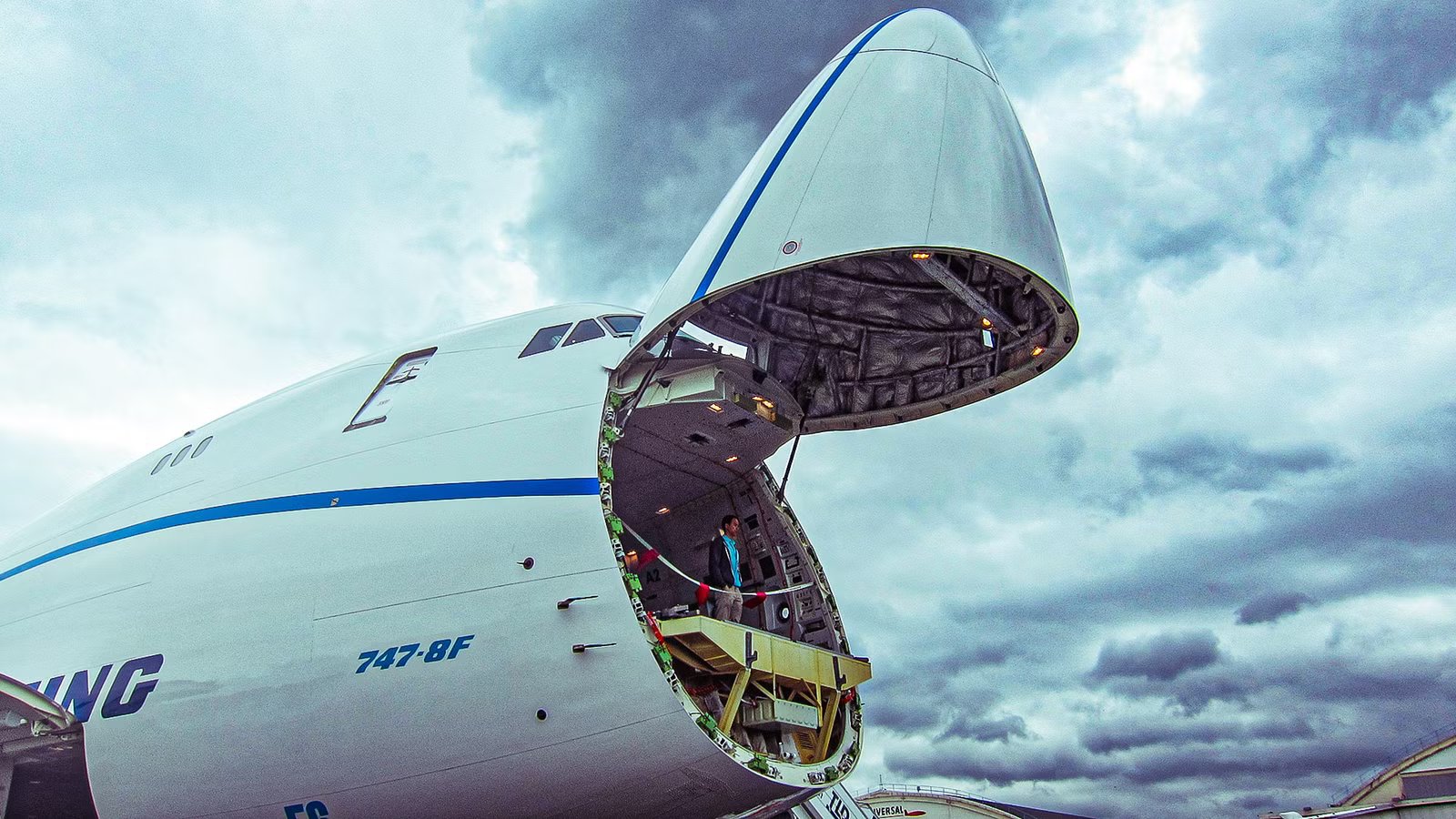
The global logistics network functions as the invisible circulatory system of the modern economy, moving everything from high-tech components to perishable goods across borders in a matter of hours. The average traveler focuses on legroom and in-flight entertainment, but the true engineering marvels often occur within the windowless fuselages of dedicated freighters. Cargo aircraft design is a field where every square centimeter is a battleground for optimization, prioritizing weight distribution and rapid turnaround times over passenger comfort. This list explores five notable features that define the specialized world of air cargo, illustrating how these heavy lifters are built to withstand the rigors of constant, high-capacity operation.
This selection is based on the technical necessity of these features for hauling oversized or hazardous materials that would be impossible to transport on a standard passenger flight. How do these design choices facilitate the massive flow of goods through key East Asian hubs like  Tokyo Narita and
  Hong Kong, which remain among the busiest cargo gateways in the world in 2026?
The Structural Rebirth
Passenger-to-freighter (P2F) conversions

A significant portion of the global cargo fleet begins its life carrying people before undergoing a massive structural transformation. As airframes reach the midpoint of their operational lives, they are often stripped of their seats, galleys, and lavatories to be reborn as dedicated freighters. This process is essential for maintaining a cost-effective fleet while extending the utility of reliable airframes like the Airbus A330 or the Boeing 777. The conversion allows airlines to avoid the high capital expenditure of purchasing new-build freighters while still benefiting from modern fuel efficiency and range.
The engineering required for this rebirth is far more complex than simply removing furniture. The original passenger cabin floor must be heavily reinforced with additional floor beams and strengthened attachment points to handle the concentrated weight of heavy cargo pallets. Windows are typically plugged with metal blanks to reduce maintenance and enhance structural integrity, and the fuselage is surgically cut to accommodate a massive new main-deck cargo door. These modifications are supported by detailed technical data that ensures the aircraft can manage the shift in the center of gravity that occurs when hauling dense freight.
P2F conversions account for roughly 60% of the freighter fleet currently in service, demonstrating just how crucial passenger aircraft are even after the heydays are over. What makes these conversions particularly fascinating is their bespoke nature; because every airframe has its own unique repair and modification history spanning over 15 or 20 years, no two conversions are exactly identical. This requires engineers to treat each tail number as an individual project rather than a standardized assembly line. It represents a masterclass in recycling aviation technology, ensuring that older jets continue to provide vital value in the booming e-commerce markets of the current decade.
The Oxygen-Free Strategy
Class E fire protection

Fire safety on a freighter main deck is managed very differently from how it would be on a passenger aircraft, specifically here through atmospheric isolation. For these Class E compartments, pilots do not rely on chemical suppression agents like halon to extinguish a blaze. Instead, the primary defense is a controlled shutdown of all ventilating airflow, effectively starving a fire of the oxygen required to sustain combustion.
This strategy became the industry standard following a series of rigorous regulatory revisions in 1998. Current safety mandates require that smoke detectors alert the flight deck within one minute of initial ignition. Passenger jets utilize Class C systems with active suppression in lower holds, whereas dedicated freighters prioritize the rapid deprivation of oxygen to protect the structural integrity of the airframe.
This feature is a critical design element because it highlights the pragmatic nature of cargo operations. Omitting the heavy tanks and plumbing required for traditional suppression, manufacturers can maximize the available payload for revenue-generating freight. It is a highly calculated engineering trade-off that relies on sophisticated sensors and immediate pilot intervention to manage life-threatening emergencies, something that has not been a rarity over the last few decades in the cargo industry.

Why Do Cargo Airlines Still Prefer The Boeing 747 Over Newer Jets?
The new generation of jets has pushed out the icons of old, but one is still hanging around and is actually preferred over many of these new options.
Building Blocks In The Sky
Unit Load Device (ULD) standardization

The modern air cargo industry functions on a modular system of standardized containers known as Unit Load Devices (ULDs). These units allow for the preloading of freight long before an aircraft arrives, ensuring that the loading process is measured in minutes rather than hours. Every ULD is a certified aircraft part, meeting strict airworthiness standards to ensure it remains secure during flight.
There are currently more than 900,000 ULDs in service globally, representing an infrastructure investment of over $1 billion. The geometry of these containers is precisely matched to specific airframes; for example, LD3 and LD6 units are designed to fit the contours of widebody jets like the Boeing 777. This standardization allows for the rapid calculation of an aircraft’s weight and balance, which makes a loadmaster’s job far easier.
|
ULD Code |
Typical Aircraft Compatibility |
Common Use Case |
|
LD2 |
Boeing 767 (Narrower Fuselage) |
Standard Belly Cargo |
|
LD3 |
Boeing 747, 777, 787, Airbus A330/A350 |
International Trunk Routes |
|
LD11 |
Large Widebody Main Decks |
High-Volume Freight |
Where this standardization plays its most key role is that it is the DNA of global logistics. Without these universal dimensions, the rapid transfer of goods between different airlines and ground handling systems would be impossible. It is the essential framework that allows a pallet to be loaded quickly, easily, and universally, regardless of the carrier.
Automating The Cargo Deck
Motorized precision for massive payloads

Modern freighter floors are complex engineering systems that eliminate the need for manual labor when moving heavy freight across the main deck. These floors are equipped with Power Drive Units, which are motorized rollers capable of propelling multi-ton containers with the simple touch of a joystick. This technology allows a tiny crew of only two or three technicians to load a jumbo jet in minutes, critical in airports that do not possess the infrastructure capabilities of a world hub like  Doha or Luxembourg.
The system relies on steerable units placed near the side cargo doors, where containers must often change direction to reach their final positions. These rollers can be selectively energized to lift and retract, providing granular control over the movement of every individual pallet. This robotic intervention is essential for maintaining the tight schedules required by major logistics hubs across the globe.
Once the cargo is in place, a series of integrated floor locks engage to prevent any movement during the flight. A single shifting container weighing thousands of pounds could lead to a catastrophic imbalance during takeoff or severe turbulence. These motorized systems are integral to cargo operations because they represent the essential bridge between raw physical weight and the delicate balance required for safe aerial transport.

The Aircraft Replacing The McDonnell Douglas MD-11
The MD-11s are approaching their operational life, and newer, more efficient types are taking over their role.
Ultimate Nose Job
Geometric freedom via the 747 hinged hatch

A true sight to behold for aviation enthusiasts, and even those who have no interest in the subject, is the lifting of the nose on the Boeing 747. The iconic hump of the Boeing 747 exists because engineers in the 1960s anticipated a future dominated by air cargo. By elevating the flight deck, they created a path for the entire nose to hinge upward, providing a direct, linear route into the cavernous main deck. This radical design departure allows for the loading of items that simply cannot make a ninety-degree turn.
Powered by dual-actuator screw jacks and an electric motor, the nose door is a massive hatch that transforms the aircraft into a continuous hangar. A specialized indicator panel in the cockpit monitors every latch to ensure a perfect seal before the pressurization system allows the cabin to climb. This mechanical precision is critical for transporting forty-foot pipes for the global energy sector, which is a key reason as to why this iconic aircraft is still being used today, despite the range of far more efficient counterparts available.
|
Component |
Technical Specification |
Operational Function |
|
Flight Deck Position |
Elevated hump configuration |
Moves the crew and controls above the main deck to allow a clear, unobstructed path for the nose hinge mechanism |
|
Actuation System |
Dual-actuator screw jacks |
Utilizes a high-torque electric motor to drive two massive screw jacks that lift the entire nose section vertically |
|
Locking Mechanism |
Multi-hook latch system |
Features a series of heavy-duty hooks that secure the nose to the fuselage, monitored by a dedicated indicator panel on the flight deck |
|
Loading Geometry |
Linear straight-in path |
Enables the loading of items like 40-foot drill pipes or composite wing sections that cannot navigate the 90-degree turn of a side door |
|
Safety Interlock |
Pressurization Inhibitor |
Prevents the aircraft from climbing if a single latch is not perfectly engaged, ensuring the structural integrity of the pressure vessel |
|
Operating Time |
Approximately two minutes |
Allows for rapid access to the main deck, facilitating the quick turnaround times required at major hubs |
The nose door removes the geometric constraints that limit every other standard freighter, which is what really makes it so special for the cargo industry. While side-loading doors are common, the 747’s unique configuration allows for the transport of long composite wing sections and industrial machinery that no other commercial aircraft can accommodate. It remains the ultimate symbol of freighter versatility in the twenty-first century, something that is unlikely to be rivaled by any future cargo aircraft.