dailynewsnblog
Flight attendants travel extensively for work, commuting, vacation, or to catch up with family across the country. They often don’t have much time to plan between trips, so they make everything as convenient and easy as possible. They know which items are essential and which are nice to have for comfort on board, whether just flying a short hop or a long-haul route.
Travel can be stressful, but there are some things flyers can do to make the experience altogether better. We will look at what flight attendants recommend, from how they pack to etiquette on board and much more. Here we list five things recommended by flight attendants that change how frequent flyers travel.
How To Pack
Methods and tricks

Flight attendants usually use one of two methods when they pack their carry-on or suitcase. One is to roll items up to avoid creasing, which makes efficient use of every bit of space. Some prefer packing cubes to lay clothing flat, keep items compartmentalized (like gym wear), or keep items like cables and chargers together. Shoes are stored in shoe bags to keep them clean but also separate them from clothing.
Clothing that does double duty or is multi-use is also a good idea to save space. One key way many flight attendants save time is to keep their bags packed at all times, only taking items out to wash and then returning them to the bag once cleaned. Items only need to be swapped out if the weather at the destination changes. This means time is saved packing and unpacking, and you are always ready to go.
Traveling light is always recommended by flight attendants according to Travel and Leisure, ideally with just a carry-on and a crew bag that can be attached to the carry-on handle. This is easiest, especially when rushing around the airport; the bag has a strap on the back that can be slipped over the handle. Hard-shell suitcases are much better than soft ones as a rule, and when traveling frequently, it’s worth investing in quality baggage that will last a long time. It is also worth having an empty water bottle, so that you can refill it after security and save on buying expensive water from the airport.
Less stress is always better

Arriving two to three hours before a flight is always advised. Although it might be tempting to turn up at the last minute, there may be unexpected queues at the airport (especially in Europe at the moment), so it is better to be prepared than to potentially miss the flight. Of course, if you only have a carry-on bag, you don’t have to check it in and avoid waiting at baggage reclaim after the flight. Wearing slip-on shoes will save time at security, as well as removing watches and jewelry in advance.
Checking in online if you have a booked ticket (not duty travel or non-rev travel) will save time, and you can choose your preferred seat, which is especially important if turbulence is an issue (seats near the wing are best) or if you prefer an aisle or window seat. Avoid seats close to the galleys or lavatories if you wish to sleep during a long-haul flight. Check if your airline allows overnight or early luggage drop-off to skip long lines the next day. Early-morning flights usually have shorter queues and a lower chance of delays.
On long-haul flights, it’s always worth checking the airline’s app to see exactly what’s available for your flight. You can download your ticket in advance, choose your meal preference, check for paid upgrades (where available), and even select your inflight entertainment preferences. It is also worth checking whether lounge access is available at a discount or whether there is free access with some credit cards.
Comfort Items
Small touches for a comfortable journey

It is a good idea to put together a personal amenity or comfort kit to make the flight a bit more comfortable, especially when traveling long-haul. Nice-to-have items are a moisturizing cream or face mist and lip balm, which help with the dry air on the aircraft. Wet wipes, a small packet of tissues, and a pen and notebook are useful to have on hand. A scarf can double up as a blanket for when the air conditioning is freezing cold. Use antiseptic wipes to sanitize the tray table.
Extra items for long-haul flights could include an eye mask, earplugs, socks, a travel pillow, and a mini dental kit. Make sure to have a large bottle of water to stay hydrated and some healthy snacks on hand. If you feel generous, you can give a gift to the crew, such as chocolates or sweets, which will be much appreciated, and they will often take extra special care of you with extra snacks, drinks, or gifts. Limit coffee or alcohol, drink plenty of water, and try to avoid too much salty or rich food.
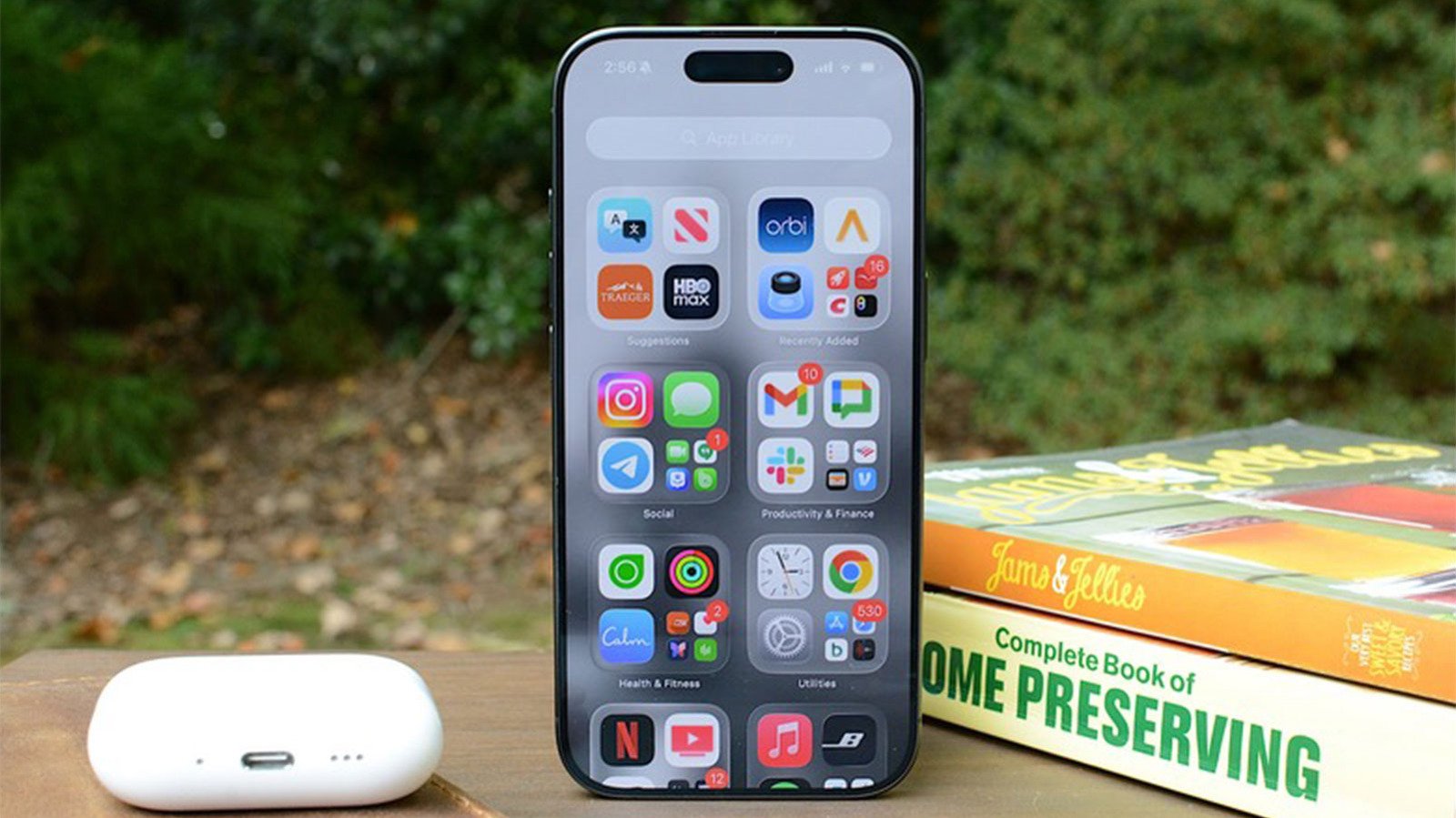
Some people prefer to bring their own inflight entertainment, and some airlines just don’t have it onboard, so it’s good to be prepared for a long flight. Favorite TV series, music, or ebooks can be downloaded to a phone or tablet, making them feel more personalized. Noise-canceling headphones are popular with many travelers. A small power bank can be helpful for last-minute charging at the airport. However, these are also a fire hazard, so they should not be kept in checked luggage or used to charge during the flight.
Inflight Etiquette
Always be polite and consider hygiene

Personal hygiene should be a given on flights. After all, hundreds of people in a metal tube in the sky, often for extended periods, is not an ideal scenario. Shoes or slippers should always be worn in the lavatories and when walking in the cabin, as floors are unsanitary. Tasks normally done in a bathroom should not be performed in an aircraft cabin. Always clean up any trash in your seat area, and do not bring any strong-smelling food or wear a strong fragrance.
Always be polite to the crew and fellow passengers and follow etiquette rules. Whoever has the middle seat has both armrests, for example. Do not recline your seat during meal service; most flight attendants will ask passengers to put the seatback upright as a courtesy to the person seated behind. Always use headphones with personal devices and respect others’ personal space. If a flight attendant is talking to you, remove your headphones and avoid using them during takeoff and landing, so that you can hear the crew’s instructions.
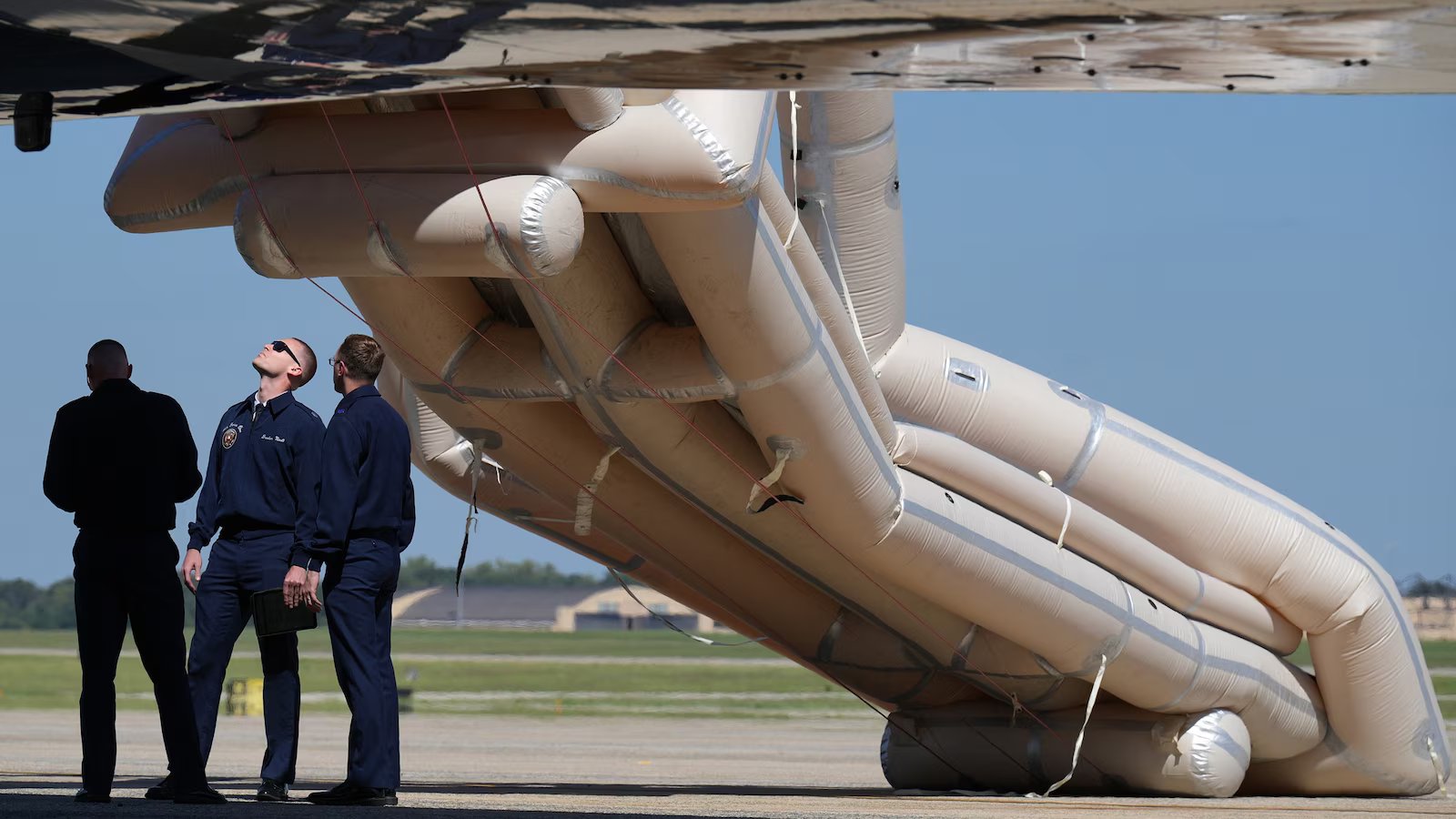
Flight attendants always advise passengers to dress in case an emergency evacuation occurs, and such events are on the rise. Sturdy shoes should be worn. Arms and legs should ideally be covered, as using the slide can cause friction burns. Polyester clothing, athleisure wear, and pajamas should not be worn on aircraft and could cause burns if fire is present on board. Natural fibers should be worn. Baggage must be left onboard the aircraft during an evacuation. Ideally, place essential items like a phone, keys, passport, and money in a plastic bag and put the bag in a pocket.
Downroute Tips
Small adjustments

Flight attendants use two methods to adjust to local time. If it’s just one or two hours difference and a short trip, it is possible to stay ‘on the watch’ time, which means staying on home base time. For more time differences, it is better to go straight to the time of the destination, take a walk in sunlight, and eat at local time. If jet lag occurs, a quick sleep of under 90 minutes will help the body rest until sleep at local time. It is important to drink lots of water downroute to combat fatigue and dehydration. Extra rest may be needed to cope with jet lag, and any exercise taken should just be gentle. Meals are best kept light, healthy, and easily digestible.
If possible, plan ahead or during the flight. Flight attendants usually ask their colleagues what they recommend doing or seeing in a short time. Most layovers are around 12 to 15 hours, including sleep time, so it is often better to limit excursions to one or two to see the sights but allow for jet lag and natural sleep. An itinerary should not be rushed, because time is short, but should be carefully planned and concentrated.
For security, always keep your room number quiet and hidden at reception. Once in the room, prop the door open with your bag and check that no one is inside. Double-lock the door to avoid unwanted intrusion, or carry a small doorstop; however, you must remember it’s there if a fire alarm goes off and remove it quickly. Some flight attendants swear by the trick of leaving one of their shoes in the hotel safe with anything of value, so that they don’t forget them.