dailynewsnblog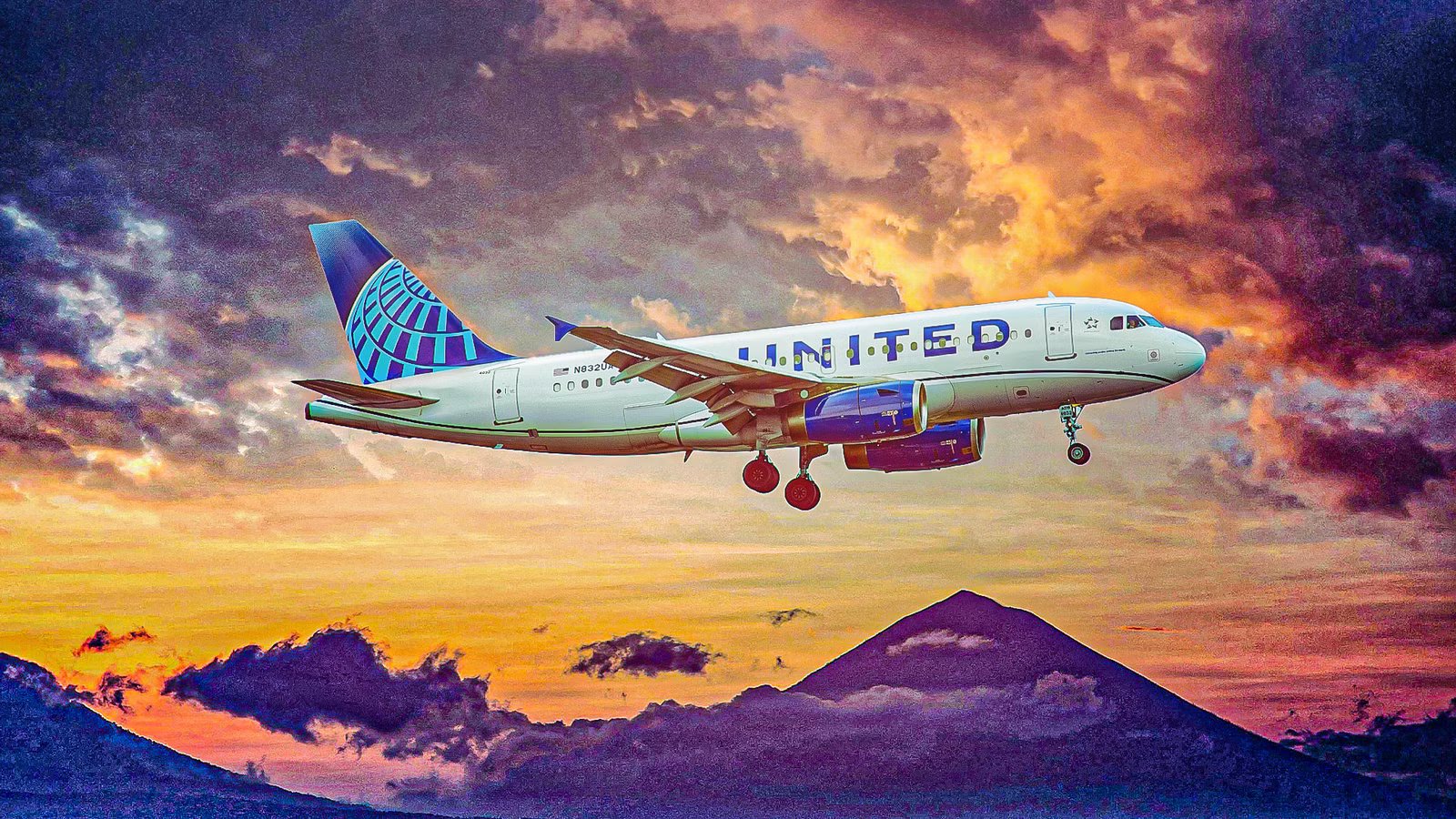
Earlier this month, the news broke that, in a meeting with US President Donald Trump, United Airlines Chief Executive Officer Scott Kirby had proposed a ‘mega merger’ between his carrier and fellow US ‘big three’ legacy operator  American Airlines. The reasoning behind Kirby’s radical and ambitious proposal was that consolidation between airlines, especially two of this scale, would help protect the industry against external issues.
However, the United CEO’s dream was not to be, as, just days later, American Airlines issued a statement in which it dismissed the pitch. The Fort Worth-based oneworld founding member explained that such a merger would not be in its best interests due to the negative impact on competition. Still, Kirby is keen to put his side of the story in greater detail, and United has now released a new statement of its own explaining its position.
Kirby Wanted To Do Something ‘Incredible’ For Passengers

The public nature of American Airlines’ merger rejection will have come as a hammer blow to Scott Kirby, but the United CEO hasn’t let it dampen his entrepreneurial spirit. Indeed, he says that “while our pursuit of talks with American have ended, our mission to build the greatest airline in the history of aviation at United is well underway.” Initially, this was something that he was looking to do through a merger with American, as he explains.
Indeed, the reason that Kirby “approached American about exploring a combination“, the United CEO notes, was that he “thought we could do something incredible for customers together” by joining forces. However, for such a merger to be successful, and particularly one that involves two veritable titans of not just US aviation, but the industry as a whole, both parties need to be willing to cooperate. This was not the case, Kirby says:
“I was hoping to pitch that story to American, but they declined to engage and instead responded by publicly closing the door. Without a willing partner, something this big simply can’t get done.”
What Would The Combined Airline Have Looked Like?

Kirby’s vision for the merger was “a new, thriving US airline that would be the very best in the world for [passengers],” which he says would have been achieved “by combining our airlines and using that scale to revolutionize our customers’ experience.” With any merger, there is the fear that one of the parties might lose out, but this would not have been the case under Kirby’s plans, which he says were “about adding and not subtracting.”
His overall vision for the combined airline featured four central pillars. The first of these was to fly guests to more places, while the second was to “create even more value.” The latter of these is a particularly pressing issue at present, with rising fuel prices reflected in increased fares. Kirby’s third and fourth pillars were for the US to have “a truly globally competitive airline” and to boost the US economy by creating both jobs and demand for jets.
The latter point is where the impressive scale of the proposed merger really takes hold. Indeed, Kirby notes that, at present, American Airlines and United Airlines have a combined workforce of some 250,000 employees. According to Stock Analysis, this combined figure would have made the merged airline approximately the 25th-largest company in the US by workforce, whereas, separately, American and United rank 50th and 66th.

What If America’s “Big Three” Were One Airline?
I like to think about fictional airlines and mergers, and one of my ideas is where American Airlines, United and Delta come together and make one airline that would be the USA’s flag carrier.
Kirby Is Confident That The Merger Would Have Been Approved

It is no secret that airline mergers are lengthy and complex processes that, given the scales of the companies involved, often require a considerable degree of regulatory scrutiny. This would certainly have been the case had American and United joined forces, given the potential monopoly effect on the airline market. Despite this, however, Kirby believes that regulators would have approved his merger.
This is because, as he notes, while “previous mergers have been about saving struggling airlines,” his proposal would have been “focused on growth, customer investments and global competitiveness,” resulting in a different regulatory angle. He concludes that regulators “would have recognized the benefits to customers, our shared employees, and communities,” but, unfortunately, with American’s rejection, it remains a mere dream for now.