dailynewsnblog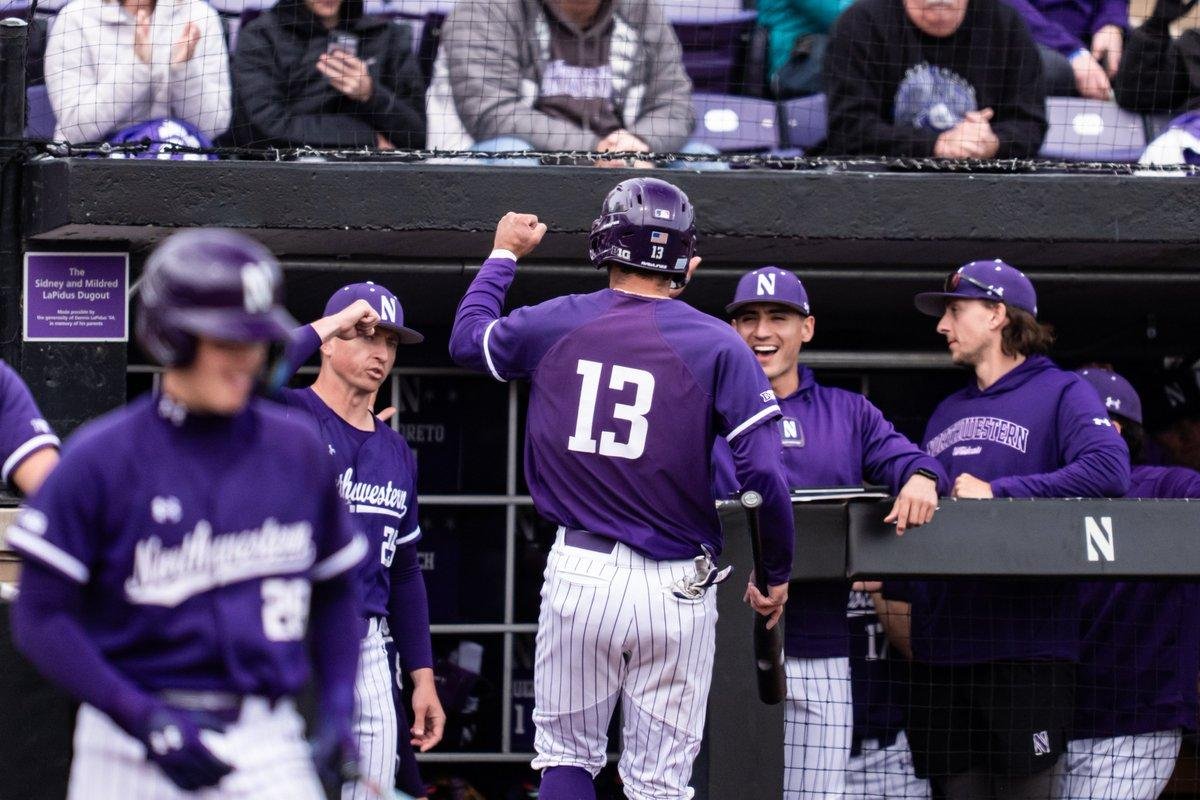
In my inaugural column for the 2026 season, I wrote, “This year could be one of the more consequential in recent Northwestern baseball history.”
Unfortunately, I agree with my March self. I say this unfortunately because after wrapping the season with a series loss at Rutgers, the Wildcats have officially finished dead last in the Big Ten standings in 2026.
Advertisement
At risk of sounding vain, I will quote myself one last time. When I stated that fans “… will look back at 2026 as a true pivot year for the program: the affirmation of competency or the confirmation of a mediocre destiny.” I continued, “My prediction is the former.”
No need to mince words: I was terribly wrong.
What explains the precipitous fall back down to the Big Ten’s basement after such a hopeful 2025 season? Or, were those 2025 improvements merely flukes? In other words, is this 2026 disappointment the norm moving forward in Ben Greenspan’s tenure at the helm?
While it’s hard to say for sure, the dream of some drastic improvement in 2027 is far-fetched to say the least. From a production standpoint, the outlook is somewhat bleak. Jack Lausch, Noah Ruiz and Owen McElfatrick, three of the ‘Cats most productive hitters this season, are all either seniors or graduate students. Their best pitcher in 2026, Ryan Weaver, is also a graduate student. You could make the argument that worrying about returning production for a program that clearly needs a hard reset is counterintuitive, but these guys all played winning baseball this season.
Advertisement
So, if those four clearly weren’t the problem, what was? At risk of sounding harsh, the 2026 Wildcats simply didn’t excel in a single area of the game. In conference outings, the Northwestern offense ranked last in batting average, on-base percentage, on-base plus slugging, stolen bases, runs and triples. They finished bottom three in slugging, walks, total bases and home runs. Yikes. This offense, it’s clear, lacked any coherent identity. In 2025, the Wildcats had a top-six offense by OPS because they sold out for power and were willing to sacrifice bat-to-ball ability and walk numbers.
Part of the decline can be explained by some surprising individual regression. Jackson Freeman and McElfatrick took stops back at the plate, not to mention that Jack Counsell lost his starting spot halfway through the season because he couldn’t find any consistency. Combine those performances with the loss of a middle-of-the-order stalwart in Trent Liolios and the story of how a solid Big Ten lineup loses almost all its thump becomes clear.
The arms, however, tell a different story. If anything held the 2025 Wildcats back from more substantial success, it wasn’t just their lack of electric arms with top-end stuff, it was the unmet need for a single guy who could consistently deliver quality starts. Coming into 2026, the pitching remained a question mark, but the hope was that Greenspan’s leadership would lead to some internal development and Northwestern’s young arms would reap the rewards on the bump. The Wildcats ended 2026 a full run better by ERA in Big Ten games, but still slotted in at second-to-last in the conference in that metric. In other words, run scoring overall was down in 2026; the ‘Cats were, relatively speaking, just as poor on the mound this season as they were a year ago.
In 2026, Northwestern pitchers performed almost uncannily similar compared to their Big Ten competition as they did in 2025. They ranked dead last in strikeouts and batting average against and bottom three in walks, WHIP and home runs allowed. Unlike the offense though, which shined in the pre-conference schedule, the arms showed their flaws early. Northwestern’s pitchers simply never found a consistent way to put hitters away when it mattered, which explains why the walk numbers wound up so high and the strikeout totals so low. It’s clear that the Wildcats deficiencies on the mound can’t be remedied by even the most outstanding player development program. To put it bluntly, it’s a talent issue. The 2026 roster and in all likelihood the rosters for the next few years, lack the caliber of stuff necessary to compete in the Big Ten.
Advertisement
The 2026 Wildcats, despite their many one-run wins, didn’t often spike the heart rate. They were out of so many games by the middle innings and played seemingly countless uncompetitive baseball games. To call the year a disappointment — for the players, the coaches, the fans and the future of the program overall — would be an understatement. In a year with more energy, more hope around the program in over a decade, they fell far short. Instead of looking to 2027 as an opportunity for a third straight step forward for a program on the rise, the ‘Cats will be looking to recapture even a semblance of the momentum they had at this time a year ago.