dailynewsnblog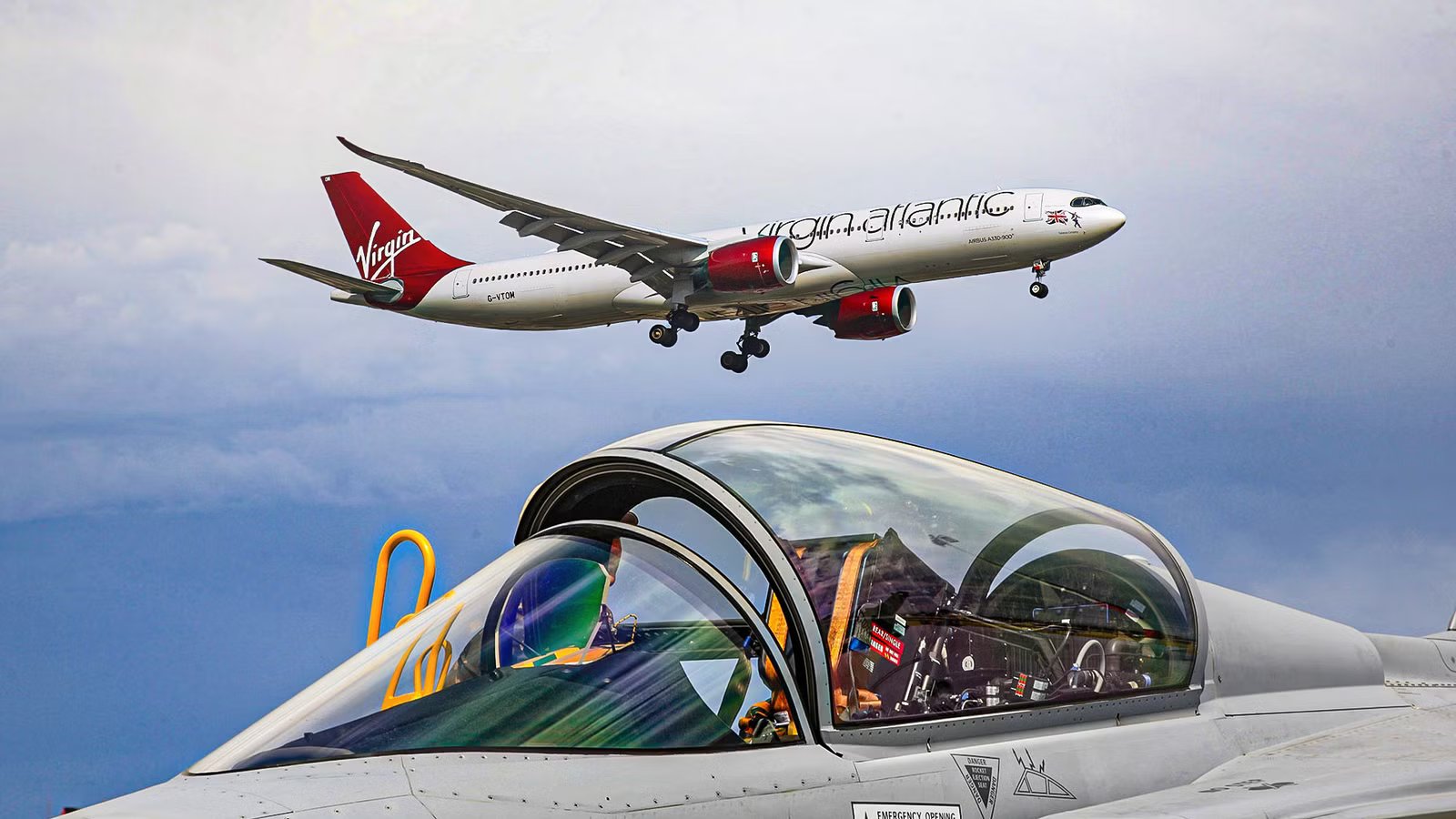
Since the end of the Cold War, each succeeding government administration in the United Kingdom has downsized the military. The Royal Air Force plummeted from roughly 30 front-line squadrons down to just seven. Today, the military simply does not have the assets to sustain a large air corps. Even after pilots are fully trained, the combination of poor military housing, intense deployment cycles, and airline poaching makes staying in the RAF hard to justify for many.
Making it even harder for the UK to keep its fighter jets flying, private carriers like Virgin Atlantic have been ‘headhunting’ pilots from the Royal Air Force’s small fighter community. There are around 200 RAF air crew qualified to fly the F-35B Lightning II and Eurofighter Typhoon. According to Flyer, Virgin is targeting the RAF’s fighter ‘jockeys’ due to an industry-wide pilot shortage. The military is struggling to retain them because airlines can readily offer very compelling financial offers.
While a typical RAF pilot makes around £50,000 a year, Virgin Atlantic offers £100,000 or more. When a pilot leaves for a commercial airline, the military loses that enormous investment, with the training value estimated at £10 million for a single F-35 fighter pilot. The RAF’s response has been a comprehensive effort to improve the quality of life for pilots while also looking toward autonomous technology to pick up the slack.
Grounded By Bureaucracy And Breakdowns

This situation is a major issue for the RAF because it has a critically small fast-jet fleet. There are only about 48 certified F-35B pilots and 150 Typhoon pilots, as Sky News covered. The UK pipeline for graduating new fast-jet pilots is incredibly slow, typically only single-digit numbers of new aviators per year. The RAF cannot replace departing pilots fast enough. Losing a handful of people severely diminishes front-line readiness.
Partly to blame is the UK’s multi-billion-pound UK Military Flying Training System. The outsourced private program was built with very little margin for error. Compounding that, the RAF’s advanced trainer jet, the BAE Systems Hawk T2, has suffered persistent engine issues. This drastically reduces the number of airframes available for student pilots to log hours. Trainees are routinely stuck in ‘holding patterns’ for up to two or three years between training phases, so, instead of flying, they are assigned to office work.
To make matters worse, senior instructor pilots have been resigning faster than they can be replaced. This leaves fewer experienced pilots to train the next generation. Because a training pipeline designed for three years often takes six to seven years, the average age of a newly qualified front-line pilot has risen from the early 20s to around 30. This significantly reduces the total number of years they can actively serve.
The UK government also has contractually obligated limited training slots for instruction for international allies, like Qatar and Saudi Arabia, further squeezing out British recruits. Spending prime years waiting for training slots damages recruit morale, as Forces News covered. If a pilot sits on the ground too long, their flight currency expires, requiring them to take refresher courses that clog the system even further.
The £100,000 Airline Lure

UK airlines save millions of pounds by hiring military pilots at premium salaries because it eliminates the massive financial, operational, and time-related risks of putting raw cadets through the commercial training pipeline. When UK airlines like British Airways fund a new pilot from scratch via cadet academies, it costs them well over £100,000 per rookie. This includes housing, food, and basic flight training over 18 to 24 months. If that cadet fails an exam, washes out of flight school, or quits, the airline loses that entire capital investment.
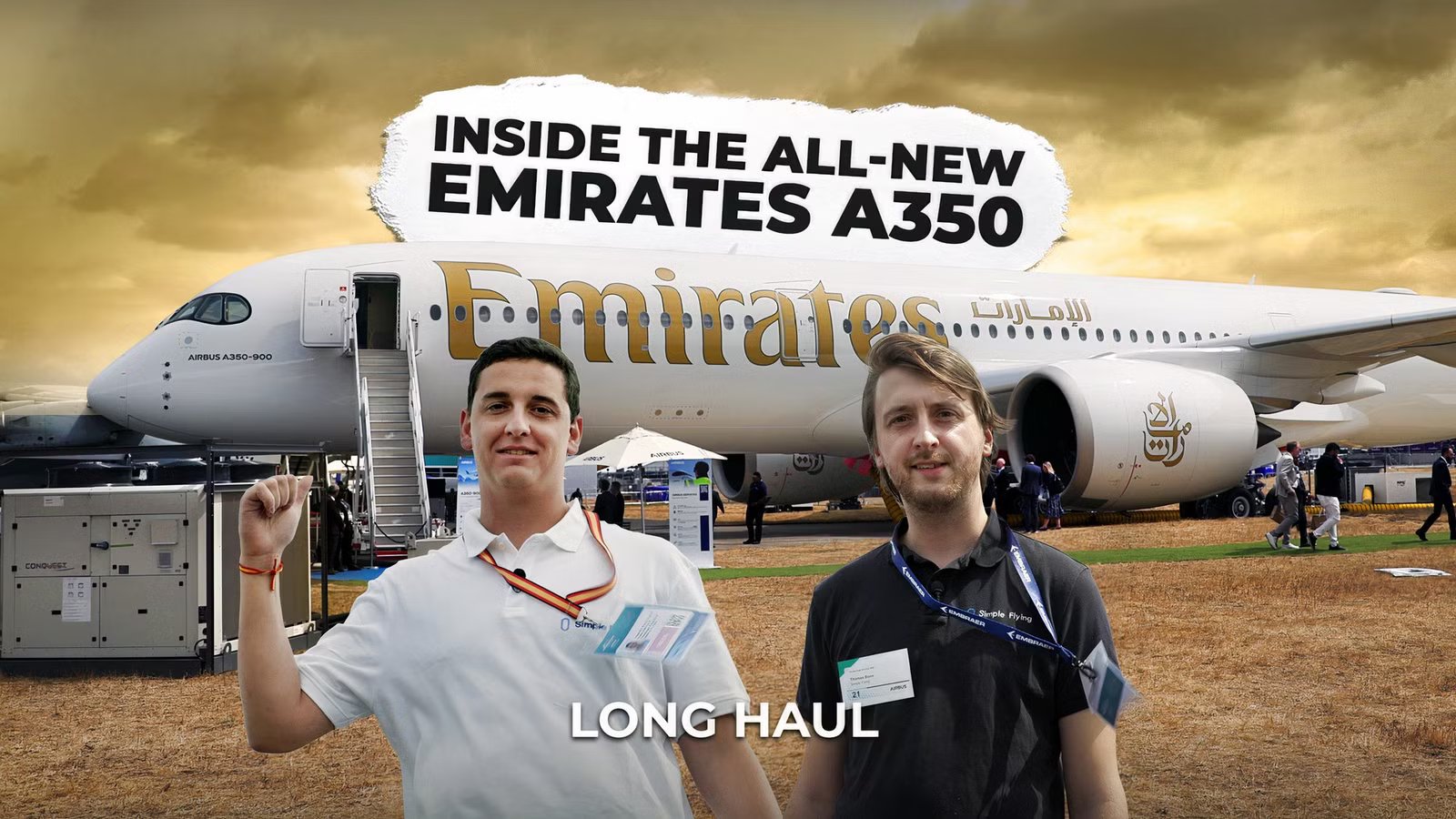
Training a commercial pilot with zero experience takes nearly two years. During an urgent industry-wide pilot shortage, airlines cannot wait years for rookies to finish school. An RAF pilot with over 1,000 fast-jet hours can be legally converted to fly a commercial widebody airliner like an Airbus A350 in just a matter of weeks. They easily transition into flying advanced, long-haul widebody commercial fleets.
By hiring direct-entry aviators who already have a minimum of 1,000 fast-jet hours, Virgin Atlantic avoids the steep expenses of basic flight training. They only need to pay for a commercial-type-rating conversion. Paying an ex-RAF pilot £100,000 to £150,000 a year is a minor operational expense for a multi-billion-pound airline, especially when compared to the massive financial risk and lag time of training a rookie from the ground up.
Airlines are not just short on entry-level pilots; they are desperately short on experienced captains. Fast-jet pilots have spent years leading high-stress combat missions. They possess the advanced decision-making skills and leadership experience required to swiftly upgrade to an airline captain, saving the airline a decade’s worth of internal career grooming.
The New Loyal Wingman Strategy

The RAF is tackling the fighter pilot crisis through an aggressive overhaul that combines emergency financial incentives, replacing the broken fast-jet training system, and shifting toward uncrewed drone wingmen to reduce the reliance on human pilots. Instead of training five human pilots for five multi-million-pound fighter jets, plans will feature one human Typhoon or F-35 pilot controlling five autonomous drones flying ahead of them. The government has complemented the revised force structure with incentives for retention, offering bonuses up to £30,000 to fight off airline headhunting.
The combined strategy will drastically reduce the total volume of human fighter pilots the RAF needs to produce and retain to remain lethal. The BAE Systems Brontanax is the primary UK-designed Collaborative combat aircraft drone. Roughly the size of a BAE Hawk trainer jet, it is optimized to provide electronic warfare jamming and high-precision strikes. Storm Chrome and Storm Fire are AI-enabled sister drones designed to operate in high-threat environments. Storm Chrome acts as a specialized air-to-air electronic jammer, while Storm Fire is configured explicitly for deep-strike.
These measures build upon the trajectory established with the Lockheed Martin F-35 Lightning II Fleet that the UK procured as the program’s sole Tier One partner. The UK has finished accepting its initial batch of 48 F-35B carrier-capable jets but is awaiting a second batch of 27 additional F-35s. This includes 12 conventional take-off F-35A models alongside 15 F-35Bs. Autonomous drone wingmen like the Brontanax fly miles ahead of the F-35A, absorbing enemy anti-aircraft fire, jamming radar, and clearing a safe path, so the crewed jet can deliver its payload.
Bolstering The Ranks In The RAF

The RAF has dramatically scaled up entry-level numbers, executing a 5% surge in base-rank recruitment to alleviate the workload on overworked mid-career pilots. To get trainee pilots airborne immediately, the RAF has begun hiring civilian flight schools to absorb multi-engine pipelines and has unprecedentedly brought in flight instructors from the Indian Air Force to fill the instructor deficit.
The UK awarded a £300 million training overhaul contract to Ascent Flight Training. This is designed to quadruple the output of mission aircrew and radically reduce the years students spend sitting at desks waiting for plane availability. Official parliamentary tracking figures from 2026 reveal that the RAF has successfully slashed the backlog. The number of fast-jet pilots stuck in post-elementary holding patterns has dropped to just single digits, with waiting times down to a manageable three to four months.
Top To Bottom Training Fixes

To successfully fight off aggressive poaching from commercial airlines, the RAF realizes it cannot win on salaries alone. Instead, the military is focusing heavily on making the pilot job “cool” again, according to the UK defense Journal. The primary reason pilots reported losing their passion was holding, or spending months or years working a desk job waiting for a training slot.
Instead of viewing autonomous drones as a threat to human pilots, the RAF frames the human pilot as an elite commander. The RAF is actively testing augmented reality systems directly inside real trainer cockpits. While flying a real jet in empty airspace, a pilot wears a specialized visor that overlays interactive, highly realistic synthetic Chinese or Russian Su-57 fighter jets into their field of vision.
Following the Strategic Defense Review, the RAF committed £360 million to completely replace the breakdown-prone BAE Systems Hawk T2 advanced trainer jet. The RAF is eyeing a UK-assembled version of the Boeing T-7 Advanced Pilot Training System in partnership with BAE Systems to drastically increase the reliability of training fleets. Competitors are aggressively vying for the contract. Leonardo is actively pitching its M346 advanced trainer featuring a wide-area cockpit display, while Korea Aerospace Industries entered the race by offering the flight-proven T-50 jet trainer.
Clearing The Holding Patterns

Substandard living conditions have historically been a major driver for pilots exiting the military. The Ministry of Defense is backing a major real estate intervention. To ease family housing shortages, the military successfully refurbished and returned 500 empty homes to service use, with plans to bring another 2,000 online.
The MOD has committed to a massive £9 billion decade-long investment to modernize, refurbish, or rebuild over 40,000 Service Family Accommodation. At RAF Marham, the home base for the F-35 force, the RAF teamed up with builders to deliver new single living accommodation blocks. This replaces outdated, poorly insulated housing with hundreds of modern spaces explicitly designed to boost the daily comfort and operational readiness of the personnel stationed there.