dailynewsnblog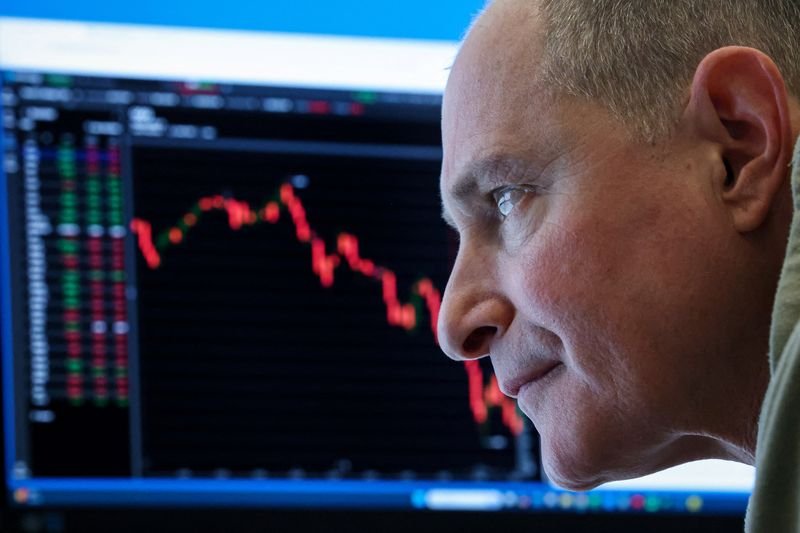
LONDON, March 6 (Reuters) – The world’s biggest bond markets were set to end the week nursing heavy losses as concerns that war in the Middle East will renew upward pressure on inflation and force central banks to start hiking interest rates soon.
Two-year government bonds, the most sensitive to shifting rate expectations, are feeling the most pain.
Yields on Britain’s two-year bond or gilt have risen almost 40 basis points (bps) this week, set for the biggest one-week jump since August 2024.
On Friday, UK borrowing costs hit the highest level since October, while Germany two-year yields hit their highest in a year and were poised for the biggest weekly jump since April 2023.
Traders have ramped up bets that the European Central Bank may hike rates as early as May as energy costs have surged, potentially exacerbating price pressures on other goods and services from food to travel.
“However the conflict is resolved, it has already undermined our previous assumption that energy prices would remain low and stable this year,” said Berenberg chief economist Holger Schmieding.
Brent crude oil was headed for the sharpest weekly gain since Russia launched its full-scale invasion of Ukraine in February 2022.
Brent crude futures have surged roughly 17% this week.
The deepest pool of bonds, U.S. Treasuries, have seen two-year yields have jump 25 bps this week, set for the biggest weekly jump since last April’s tariff turmoil. The moves have been global: Australia’s borrowing costs have risen almost 20 bps.
Yields rise as prices of bonds fall.
Markets are sensitive following the supply shock that followed the COVID crisis in 2020 and Russia’s invasion of Ukraine in 2022 that sent energy prices spiralling and prompted global central banks to respond with hefty rat increases.
(Reporting by Dhara Ranasinghe and Alun John; Editing by Elisa Martinuzzi)