dailynewsnblog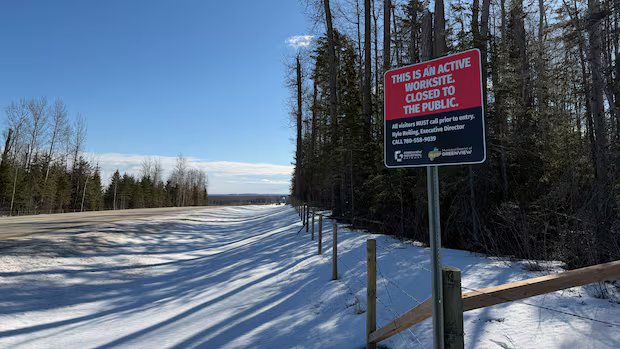
Alberta’s government says it will not be conducting an environmental impact assessment for a data centre park being proposed by celebrity investor Kevin O’Leary at a location about 40 kilometres south of Grande Prairie, Alta.
The Ministry of Environment and Protected Areas says the Wonder Valley AI Data Centre Park project was reviewed by an independent approvals officer who deemed it exempt from the assessment due to its proposed use of standard power and water systems.
Permits, however, are still required before construction can begin.
“Wonder Valley must provide detailed technical assessments on impacts to air, land and water, and show the project can be built and operated safely,” the minister’s office said in a statement to CBC News. “No permit is granted unless those requirements are satisfied.”
O’Leary ‘bullish’ on Wonder Valley
Over a video call on Tuesday, O’Leary told CBC News he is “bullish” on seeing his project through and he is currently awaiting that permitting to move forward.

“The minute we get the permit, that triggers a whole bunch of other activities in terms of how we finance it, when we start engineering, design, everything else,” he said of his proposed $70-billion, 7.5-gigawatt AI data centre campus.
The project would be a partnership between O’Leary Ventures and the Municipal District of Greenview and plans to develop it were first announced in December 2024.
O’Leary said recent conversations with Alberta government officials have been positive and he praised the region for its stable ground, access to water, fibre optic cable, natural gas reserves and cold winter temperatures — all beneficial resources when it comes to operating a data centre.
“It has all the elements required. It’s unique,” he said of the region.
The location for the proposed project, the Greenview Industrial Gateway, sits fairly empty, with a smattering of trees, electrical lines and paved road leading to the site.
Ryan Ratzlaff, the reeve for the M.D. of Greenview, said he sees potential when he looks out into the open space slated for industrial development.
He said he estimates O’Leary’s project will have less of an environmental impact compared to previous proposed initiatives related to refining and transporting petroleum products.
“They’re going to take natural gas and turn it into electricity which will get turned into data bytes that will get transported down fibre lines,” Ratzlaff said.

Although Ratzlaff said he is excited about the potential for job growth and economic and educational diversification in the region, he acknowledged that residents have mixed feelings about the project. He said he encourages concerned constituents to ask questions.
“Come and drive down this road. It’s not that far from Grand Prairie. … Take a look at the site, see the industrial activity that’s already out here,” he said, explaining that he thinks Wonder Valley will add to the industrial corridor along Highway 40.
Chief reserves judgment on project
Sturgeon Lake Cree Nation Chief Sheldon Sunshine’s community is nearby and he says he has his reservations about Wonder Valley, though he isn’t necessarily opposed to the project.
“There’s a lot of questions when it comes to data centres, especially this one,” he said, referencing its scale. “To not have a provincial environmental assessment is just, it’s ludicrous.”
Sunshine noted he still has questions about the project’s potential impact on water in the area.
He said the First Nation hasn’t determined whether it’s in favour or opposed to the project because its leadership has had just two meetings about the development so far. He said they are currently analyzing the information provided to them.
“Let’s sit down early, have early engagement and develop some win-wins in some of these projects,” he said.
In a statement, the province’s Minister of Indigenous Relations Rajan Sawhney said the province regularly meets with First Nations leadership on economic development opportunities.
“Engagement with First Nations on this project is ongoing, and we will continue working together to explore opportunities that support long-term economic prosperity,” said Sawhney.

University of Calgary law professor David Wright echoed some of Sunshine’s concerns regarding the assessment process.
“It’s disappointing, but not surprising,” he said, noting he’s been seeing a decline in the number of environmental assessments at the federal and provincial level over the past nine months.
“The premise of environmental assessment is to see the big picture all in one place.
“Without that comprehensive process at the outset, … it’s going to be very difficult to understand what this project means in real costs.”
Wright said the importance of that larger bird’s-eye view is crucial for projects like AI data centres because of their short history.
A spokesperson from the Impact Assessment Agency of Canada said in a statement that once the agency receives a project description, they can determine whether a federal environmental impact assessment will be required.