dailynewsnblog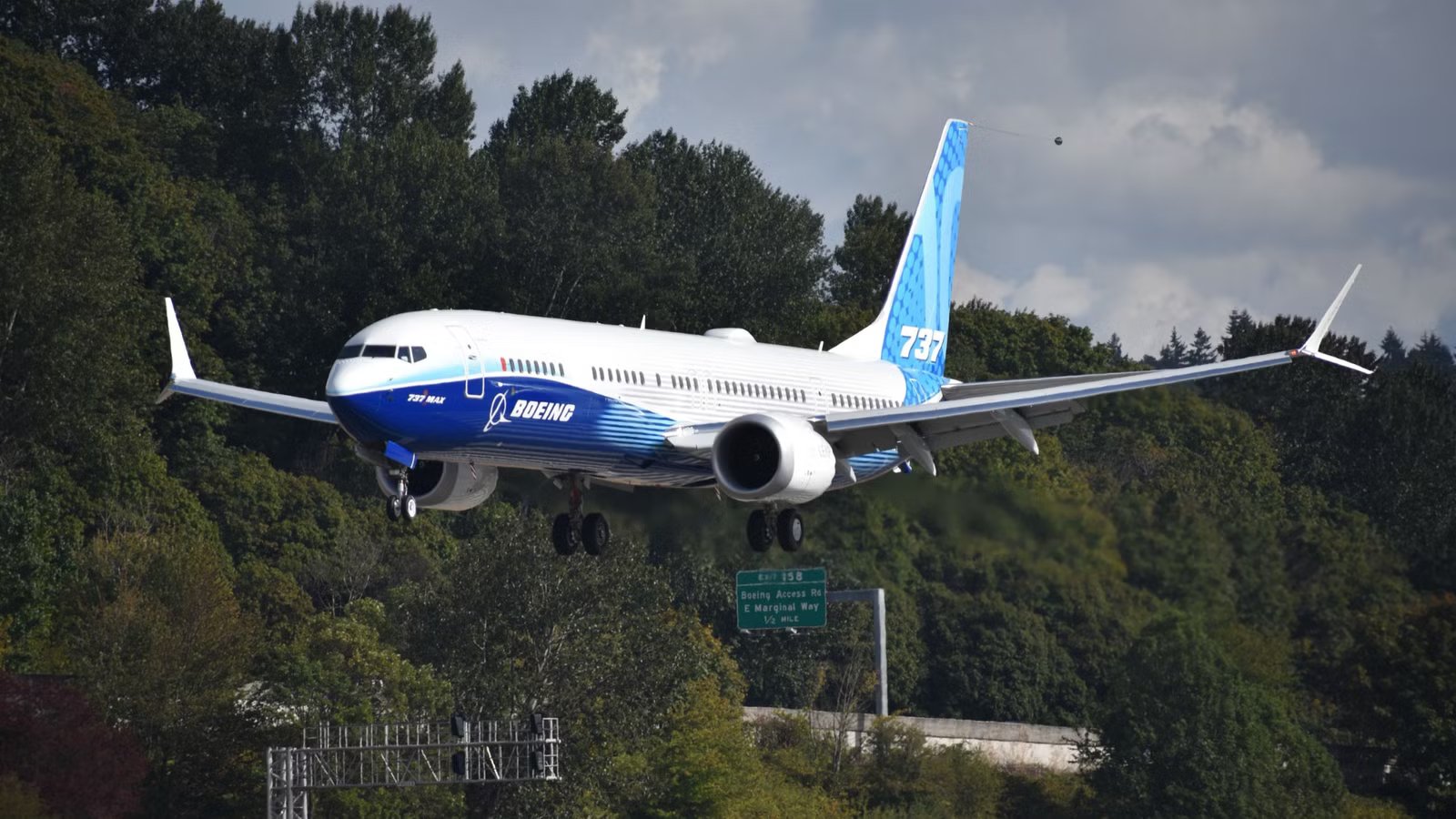
The Federal Aviation Administration (FAA) announced on December 12, 2025, that it will review  Boeing’s redesigned cockpit alerting system for its 737 MAX 10 before certifying the aircraft for entry into service. The review focuses on an updated flight-crew alerting suite that includes a synthetic enhanced angle-of-attack capability and a way to disable stall warning and overspeed alerts under certain conditions. The FAA’s decision comes as Boeing works to complete certification of the long-delayed MAX 10. Regulators say the review is needed to ensure the alerting system meets safety requirements and post-crash reform mandates.
The 737 MAX 10 has been subject to prolonged certification delays tied to regulatory scrutiny and outstanding design issues, including an engine anti-ice system problem that continues to push back final approval. This issue has now largely been addressed with a finalized design, though certification testing remains. Lawmakers waived a 2022 deadline for redesigning the alerting architecture for the MAX 7 and 10 before certification, requiring retrofits within three years after entry into service, plus FAA review of upgrades for the entire MAX family. This latest FAA step signals that regulators remain cautious amid heightened oversight following the MAX family’s grounding after two fatal crashes. Airlines with large MAX 10 orders are watching closely as uncertainty over timing complicates fleet planning.
What Exactly Is The System Being Checked?

The FAA’s announcement specifically states the agency will begin a formal evaluation of Boeing’s proposed cockpit alerting package for the MAX 10. This includes assessing whether the new synthetic enhanced angle-of-attack system and the ability to mute stall and overspeed alerts satisfy the conditions tied to the 2022 congressional waiver. Under that waiver, Boeing was permitted to defer full compliance with updated alerting standards if it later installed advanced enhancements and obtained FAA acceptance.
The review adds another milestone to the Boeing 737 MAX 10s certification path, which already faces delays owing to engine anti-icing design concerns and heightened FAA scrutiny. FAA officials have stressed they will not commit to a target certification date for the MAX 10, indicating the timeline will depend on the outcome of the alerting system review and other outstanding work. Airlines awaiting the aircraft are adjusting fleet plans as delivery prospects remain uncertain. For investors, the regulatory update has drawn attention to Boeing’s broader production and certification challenges heading into 2026. Following the successful alterations to the anti-ice system, Stephanie Pope, Boeing Commercial Airplanes President, said:
“We’ve spent thousands of hours getting that design done. Now it’s defining the certification plan, getting the FAA to accept that certification plan.”
More Delays For The MAX 10?

The FAA’s renewed focus on MAX alerting systems follows a significant regulatory overhaul and industry pressure after two deadly MAX crashes led to a 20-month global grounding of the aircraft family. Investigators and lawmakers have since pressed for clearer cockpit alerts and better pilot situational awareness, with warnings that outdated alerting on the MAX contributed to confusion in critical moments. Modernized flight-crew alerting systems are intended to help pilots understand and respond to flight hazards more intuitively.
The MAX 10s alerting review also ties into broader certification reforms enacted in recent years, including requirements from Congress and the FAA aimed at strengthening system safety assessments and pilot interface considerations. These were driven by lessons learned from past investigative findings that called for improved design standards and clearer warning prioritization to aid pilot recognition of failures. Enhanced alerting systems are now seen as an essential part of modern fly-by-wire and automated aircraft operations.
In addition to alerting system considerations, the MAX 10 faces additional hurdles, such as design revisions tied to engine anti-ice concerns, which regulators have said must be resolved to address potential overheating risks. These technical and regulatory complexities have contributed to a stretched certification schedule beyond the original targets Boeing set.

Boeing Finishes Redesigned 737 MAX Anti-Ice Engine System
A major step forward for certifying the Boeing 737 MAX 7 and Boeing 737 MAX 10.
Future Impact On Boeing

The certification environment for Boeing extends beyond the MAX 10. The FAA’s oversight of Boeing production practices has intensified in the wake of other safety issues, including a recent temporary production cap that was lifted following compliance improvements. Meanwhile, the Boeing 777X program also remains delayed, underscoring regulatory and developmental pressures across the company’s commercial portfolio.
As Boeing works through certification of the MAX 10 and MAX 7 variants, carriers are evaluating delivery timing against network planning needs. Extended certification timelines may shift the competitive landscape with Airbus, which continues to deliver its A320 family jets on schedule. Regulatory momentum toward stronger safety and alerting standards could influence future narrowbody designs and airline upgrade strategies.
Taken together, the FAA’s alerting review for the MAX 10 highlights how certification milestones are now deeply embedded within enhanced safety scrutiny and technical validation, with implications for Boeing’s commercial prospects and regulator-industry dynamics well into the next decade.