dailynewsnblog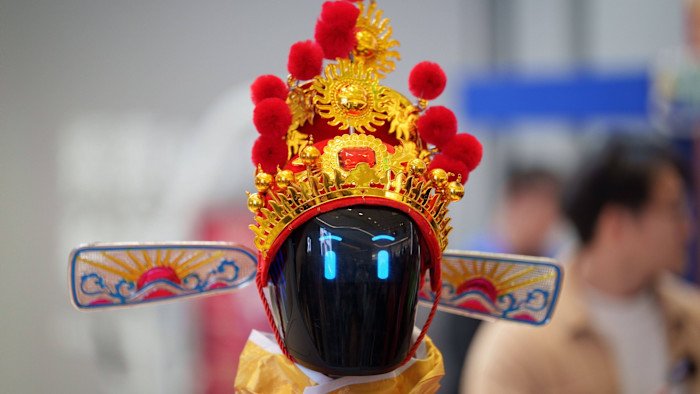
Stay informed with free updates
Simply sign up to the Global Economy myFT Digest — delivered directly to your inbox.
You know the China story. Population? Huge. Economy? Very huge. Trade surpluses? Really huge. Maybe too huge.
Even as China floods the world’s markets with electronics, electric cars, and other high-tech goods, its own domestic demand for most products remains stubbornly weak. Retail sales are low. Oversupply of products is rampant. The country’s producer price index has been negative for three years.
One culprit? What economists are now calling “involution”: fierce corporate competition for market share that simply drives prices lower and lower. A race to the bottom, basically, which also then hurts companies in all the countries that China exports to.
And involution can cause some weird distortions, as Yanmei Xie, senior associate fellow at the Mercator Institute for China Studies, told the FT’s Soumaya Keynes on the latest episode of The Economics Show.
. . . Recently the [Chinese] central government issued an edict to local governments saying that they have to set a price floor in their procurement, that they have to investigate companies who submit the bidding in government contract at too low a price . . . So essentially they’re saying the local government has to spend more than necessary to fight the involution, to fight deflation.
For anyone living in a country where fiscal headroom has been creeping downward and government overspending causes outrage (so, most of the world), an order that local governments stop bargain hunting will seem pretty strange.
How can Chinese companies afford to sell their products and services at prices that are below market rates (or in some cases, below cost)? Largely by using government subsidies — subsidies even more direct than procurement contracts with price floors.
As Yanmei explains, unprofitable companies are hooked up to life support, given cash or subsidised banking credit to stay alive. But why doesn’t the government let these companies die? Again, political incentives seem to supersede normal market dynamics:
Winding up companies will cause job losses, potentially tax revenues. And then you’ll have to write off your GDP and that impacts [local politicians’] prospects for getting promoted. So the political incentive for keeping the companies alive is high, and the political incentives to allow the market signals to cull them is weak.
This is a familiar story. Autocratic government sets bad economic incentives economy; economy goes wrong. To China-watchers, it’s more familiar still. Involution has been squeezing companies who make chips, electric vehicles and batteries for several years. FT Alphaville covered the IMF’s estimates direct fiscal costs of China’s vast web of industrial policies last year, and the hidden but even more productivity drain that they entail.
Yanmei told Soumaya that AI was the latest example turn, as thousands of purported Chinese AI companies — some of them real; some of them not — sprung up to take advantage of available government funding (this kind of thing that would never happen in other countries).
And after AI? She argues that involution could suddenly hit other strategic sectors: satellites and humanoid robots.
. . . there are warnings in Chinese state media that actually there can be overcapacity in humanoid robotics, in satellites. Why? Because they are now these emerging strategic industries that the government wants to focus on developing, So unsurprisingly, because of the dynamic we earlier, now we have companies just rushing into those industries trying to soak up the government largesse.
Can the Chinese government fight involution, and the noxious economic effects it brings? Is it even motivated to do so? And what should Europe and the US do if China continues to export more, and more diverse cheap products abroad?
Soumaya and Yanmei discuss all that in the most recent episode of the Economics Show. You can listen to the full interview here, or read a transcript here.