dailynewsnblog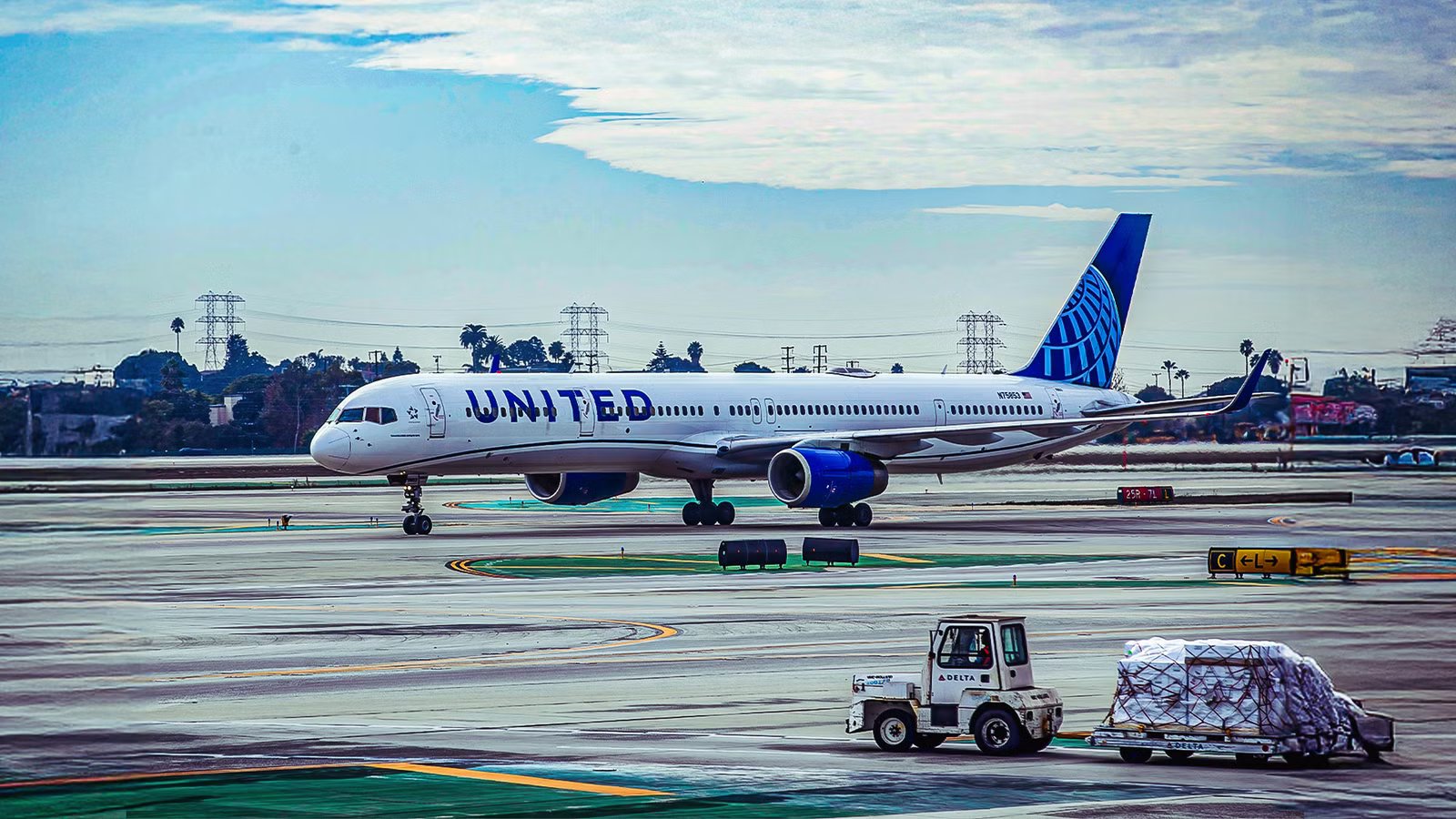
An offer which would have ensured that 30,000  United Airlines flight attendants were among the highest paid has continued to be rejected by the Association of Flight Attendants (AFA-CWA). The caveat that keeps stopping any progress is that the union wants all flight attendants to be paid for the hours they are at work, not just once the aircraft doors are closed.
Ground pay has continued to be hotly debated among most major airlines, as flight attendants are currently only paid for the time once the aircraft door is closed, until it reopens. However, this excludes the time needed for crew members to check in at the airport, attend any briefings, and make their way to the gate. This also excludes the time that is incurred from unexpected flight delays.
Five Years Without A Raise

As analysed by Gary Leff at View From The Wing, United Airlines flight attendants haven’t seen a dramatic increase in their income for the last five years. This is because they have continually rejected any sort of contract that the union was able to negotiate. The union has remained adamant that they expect a system where flight attendants receive remuneration for every hour they are at work, not just the time on the airplane once it has departed the gate.
A compromise that has been floated is known as ‘sit’ pay, which is the time between flights. This was made in a direct appeal to United Airlines flight attendants recently, outlining that standard wage increases, alongside sit pay, may be introduced; however, this type of suggestion has been long opposed by the flightattendants’s union, as it comes with a caveat that it would be paid for using a preferential bidding system (PBS).
The PBS is already used by most major U.S. carriers,s which include the two other ‘Big Three’  American Airlines and
  Delta Air Lines, as well as
  Alaska Airlines (albeit represented by the AFA).
Spent As Much As They Can

One key hurdle has been that flight attendants have been told that earlier negotiations would get them more income than just that from boarding pay. However, with the union promising that they would demand pay for time on the ground, and then this wasn’t delivered, it upset its members. Flight attendants continue to be concerned not only for the remuneration they receive, but also for other factors, such as inferior hotels that are used on layovers.
Most recently, as noted by Paddle Your Own Kanoo, the 71% of the union members rejected the latest contract proposal, sending the union back to renegotiate and consider what was most valuable for its flight attendants. United Airlines has also been in contact with its crew, noting that it would consider paying flight attendants for ground pay, but this would not increase standard pay as United Airlines already offers a leading wage, and if they wanted ground or sit pay, this would result in:
|
Reduced Guaranteed Hours |
Hours reduced from 78 to 75, which, as a result, would phase out any reserve override |
|---|---|
|
Preferential Bidding System (PBS) |
A move to the PBS system, which is already in place at most other major airlines, can improve efficiency, but is not preferred by Union members. |
What this identifies is that United Airlines is looking for a way to compromise with these negotiations, and it will ultimately come down to whether the union and members are at the point where they are willing to put this dispute to bed and accept the latest concessions.

Under Fire: American Airlines CEO Agrees To Meet Pilot Union As Tensions Boil Over
Pilots demands answers as the airline struggles to stay aloft.
Only Paid When Flying

It is common industry practice that flight attendants are paid for the time the aircraft is in motion, which is once the doors are closed and it has pushed back from the gate. This means that often they are not remunerated for pre-flight safety checks, boarding, or delays. However, some airlines do offer a boarding pay, or a daily guarantee which covers some ground time.
This is covered under the Railway Labor Act, and is a structure that is considered standard and has been in place for decades. This sees airlines have more efficient cost management, and avoids the requirement to pay crew for their time spent in the terminals.
While they are not paid for the full time they are at work (including on the ground and in the air0, they still receive additional expense money depending on the route, duration, and destination. Which is used for time spent away from their home base.