dailynewsnblog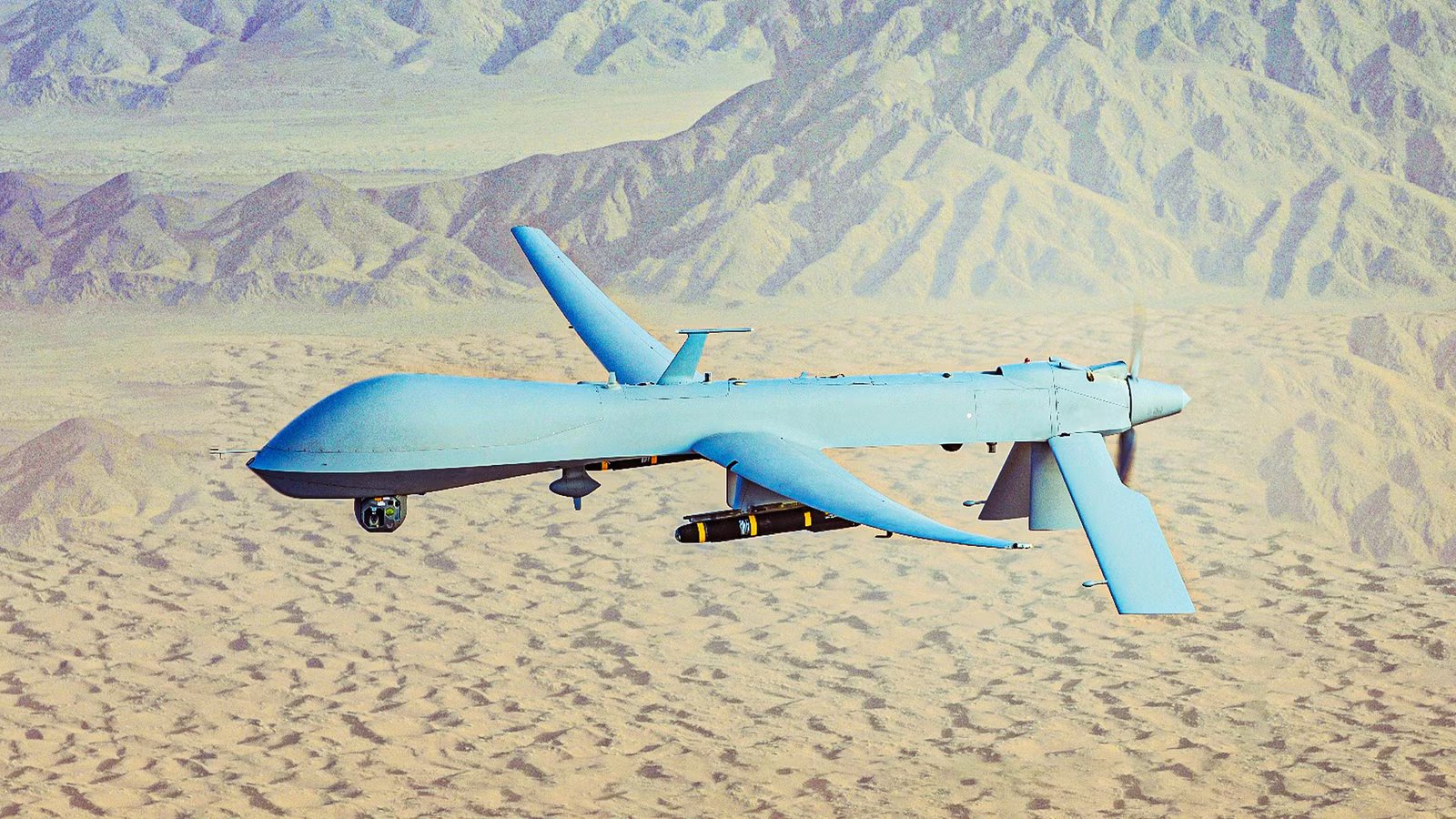
Across the Indo-Pacific, a quiet but profound transformation in aerial warfare is underway. Unmanned aerial vehicles, commonly known as drones, are rapidly changing how militaries conduct surveillance, strike missions, and maritime operations. From small expendable reconnaissance drones to large high-altitude surveillance aircraft, these systems are becoming central to modern combat planning. Increasingly, military officials in Washington are warning that the balance of drone combat capacity in the Pacific could shape the outcome of future conflicts.
The United States has been a pioneer in drone warfare for more than two decades, but rapid technological diffusion has eroded that early advantage. China in particular has invested heavily in unmanned systems, including long-range surveillance drones, loitering munitions, and large drone swarms designed to overwhelm traditional air defenses. With tensions around Taiwan and throughout the Western Pacific continuing to rise, US officials are now reassessing whether their drone capabilities, and the industrial base supporting them, are sufficient for a potential high-intensity conflict.
The Evolution Of Drone Combat Capacity In Modern Warfare

Drone warfare did not begin in the Pacific or even in the 21st century. The concept of unmanned aircraft dates back decades, originally developed as target drones and reconnaissance platforms during the Cold War. Over time, advances in satellite communications, sensors, and autonomous navigation transformed drones from experimental tools into operational combat systems. By the early 2000s, the United States had integrated armed drones into routine military operations. The first large-scale demonstration of drone combat capacity came during the War on Terror, with aircraft like the General Atomics MQ-1 Predator, the MQ-9 Reaper, or the MQ-25 Stingray allowing US forces to conduct long-endurance surveillance missions and precision strikes without placing pilots in harm’s way.
A far more transformative demonstration of drone warfare has emerged in the Russia-Ukraine conflict. Both sides have deployed drones on a scale never seen before, ranging from small commercial quadcopters used for reconnaissance to loitering munitions capable of striking armored vehicles and infrastructure. During the ongoing tensions surrounding the 2026 Iran Crisis, drones have again moved to the forefront of military operations and regional security concerns. Iranian-designed one-way attack drones and reconnaissance UAVs have been linked to strikes against civil infrastructures and military targets, while regional air defenses and US forces have repeatedly been forced to intercept incoming unmanned systems.
The crisis has also marked a notable development for Washington. For the first time, the United States has reportedly employed one-way attack drones operationally in the region, reflecting how rapidly this category of unmanned weapon has spread across modern militaries. Originally associated primarily with Iranian and Russian tactics, these expendable systems are now being integrated into a wider range of military arsenals.
Why The Indo-Pacific Is Becoming The Center Of Drone Competition

The Indo-Pacific theater presents unique challenges that make drones particularly attractive to military strategists. Vast ocean distances, dispersed island chains, and limited basing options complicate traditional air operations. Maintaining persistent surveillance across such a large region requires platforms capable of long endurance and relatively low operating costs. Unmanned aircraft fit these requirements well.
Drones can patrol maritime routes, monitor naval movements, and provide targeting data for long-range weapons. They can also operate from smaller airfields or ships that might not support large crewed aircraft. This flexibility is especially valuable in contested areas such as the South China Sea and the Taiwan Strait. In these environments, unmanned systems could provide critical intelligence and early warning while minimizing risks to human pilots.
However, drones are also becoming central to the military strategies of US competitors in the region. China has rapidly expanded its unmanned aircraft industry, producing systems ranging from small tactical drones to high-altitude surveillance platforms comparable to American designs. These capabilities, combined with advances in artificial intelligence and swarm coordination, are driving a growing competition in drone warfare across the Pacific.

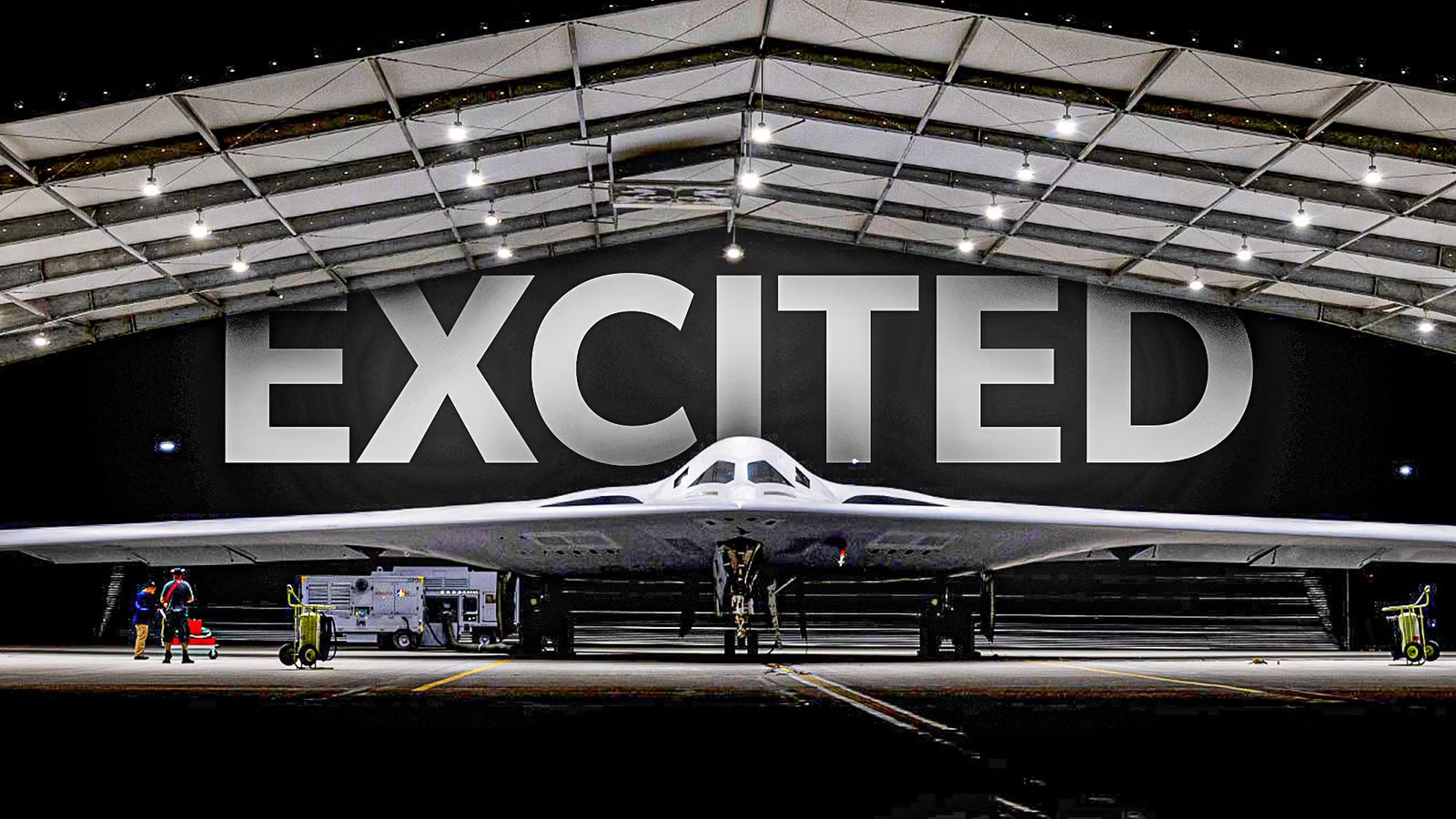
The Real Reason Why Boeing Is Building The F-47 Stealth Fighter And Not Lockheed
Stealth, Speed, and Strategy: Inside the F-47 Revolution.
The Role Of Drone Swarms In Future Pacific Conflict

One of the most significant developments in drone warfare is the rise of swarm technology. Instead of relying on a few high-value aircraft, militaries are experimenting with deploying hundreds or even thousands of smaller drones simultaneously. These swarms can perform reconnaissance, electronic warfare, and strike missions while overwhelming enemy defenses through sheer numbers.
Interestingly, some of the early demonstrations of coordinated drone swarms did not come from military laboratories at all, but from civilian technology companies and entertainment industries. Drone light shows, now common at major sporting events, theme parks, and national celebrations, demonstrated how hundreds or even thousands of small drones could fly in precise formations using automated coordination systems. These performances required sophisticated algorithms that controlled positioning, collision avoidance, and synchronized movement in real time.
While the purpose of these displays was entertainment, they proved the viability of large-scale drone coordination. The same underlying technologies, such as autonomous navigation, distributed communication networks, and real-time positional awareness, are now being adapted for military applications. Instead of forming shapes in the sky, coordinated drones could share targeting data, scout enemy defenses, or conduct simultaneous attacks on multiple targets.
Research from defense think tanks has emphasized the importance of mass in drone warfare. Swarms can saturate missile defenses, forcing adversaries to expend expensive interceptors on relatively cheap drones. This concept, sometimes described as a “high-low mix”, combines sophisticated weapons with large numbers of inexpensive unmanned systems. In the Pacific, where long distances complicate logistics and resupply, such an approach could significantly alter the cost dynamics of warfare.
Drone swarms also introduce new tactical possibilities. Some systems can act as decoys, drawing enemy fire away from higher-value assets. Others can relay communications or provide targeting information for long-range weapons. In the Pacific theater, these capabilities could help maintain situational awareness across widely dispersed battle spaces, particularly in areas where traditional airbases may be vulnerable or difficult to sustain.
The Mission Of The Joint Interagency Task Force 401

Recognizing the growing importance of unmanned systems in the Indo-Pacific, the United States has begun creating new structures designed specifically to integrate drones into future conflict planning. One of the most notable initiatives is the Joint Interagency Task Force 401 (JIATF-401), a multi-agency organization tasked with addressing emerging unmanned warfare challenges in the region. The task force reflects Washington’s growing recognition that drone warfare, particularly large-scale deployments, could play a decisive role in any future Pacific conflict.
Instead of focusing on a single platform or program, JIATF-401 is designed to coordinate efforts across multiple parts of the US defense and security community. Its work includes analyzing how adversaries are deploying drones, developing counter-drone defenses for forward bases and naval forces, and testing new operational concepts involving large numbers of inexpensive unmanned systems. In practical terms, this means exploring how swarms of surveillance drones, loitering munitions, and electronic warfare UAVs could support US forces operating across the vast distances of the Indo-Pacific.
Another reason JIATF-401 has drawn attention among defense analysts is the problem it was created to address: the scale. Pentagon planners increasingly believe that a future conflict in the Pacific would require thousands of unmanned systems operating simultaneously across air, sea, and land domains.
JIATF-401 is therefore focused not just on tactics, but also on how quickly unmanned systems can be produced, distributed across island bases, and integrated with naval forces, satellites, and cyber networks. By coordinating these efforts across multiple agencies and partners, the task force aims to ensure the United States can sustain drone operations in one of the most technologically complex theaters in the world. But the existence of initiatives like JIATF-401 also reflects a deeper concern inside the Pentagon: whether the United States can field and replace enough drones in a prolonged Pacific conflict.

Which Country Has The Most Superior Military Jets In The World?
Discover why the US leads global air power with over 13,000 aircraft, cutting-edge fighters like the F-35, and sixth-gen tech like NGAD and B-21.
The Real Reason The US Is Concerned About Drone Combat Capacity

At first glance, it may seem surprising that the United States, long considered the global leader in drone warfare, is worried about drone combat capacity in the Pacific. After all, the US military operates some of the world’s most advanced unmanned aircraft. However, the concern is less about technological sophistication and more about scale, production, and resilience.
The central issue is the possibility of large-scale drone attrition in a high-intensity conflict. The Pentagon increasingly believes that a war in the Indo-Pacific, particularly around Taiwan, could involve thousands of unmanned systems operating simultaneously across air and maritime domains. Surveillance drones, loitering munitions, and electronic warfare UAVs would likely be deployed continuously to track fleets, locate missile launchers, and support long-range strikes.
The problem is that these systems may also be lost at extremely high rates. Advanced air defenses, electronic warfare, and anti-satellite capabilities could disrupt or destroy large numbers of drones in contested airspace. If adversaries can replace those losses faster than the United States can produce new platforms, the balance of drone capacity could quickly shift during a prolonged conflict.
This concern is closely tied to industrial capacity: China’s manufacturing base already produces large numbers of commercial and military drones. The United States, on the contrary, has traditionally focused on smaller fleets of highly sophisticated platforms. In a conflict defined by quantity and attrition, the ability to manufacture and distribute thousands of relatively inexpensive unmanned systems may become just as important as developing cutting-edge aircraft.
For the Pacific theater, where distances are vast and supply lines vulnerable, maintaining a steady flow of replacement drones could become a decisive factor. In other words, the competition may not be decided solely by whose drones are more advanced, but by which country can keep them flying the longest.
What The Future Of Drone Warfare In The Pacific Could Look Like

Looking ahead, drone warfare in the Pacific is likely to become even more complex and technologically sophisticated. Advances in artificial intelligence, autonomous navigation, and collaborative swarming could dramatically expand the capabilities of unmanned systems. Future drones may operate with minimal human control, coordinating with satellites, ships, and aircraft in real time.
For the United States, maintaining a competitive edge will require more than simply developing new drone designs. It will involve scaling up production, strengthening supply chains, and integrating unmanned systems into every level of military planning. Cooperation with allies in the Indo-Pacific will also play an important role in building a distributed network of drone capabilities.
Ultimately, the growing focus on drone combat capacity reflects a broader shift in how warfare is evolving in the 21st century. The Pacific, already a region of immense strategic importance, may become the proving ground for the next generation of aerial warfare. Whether through swarms, autonomous systems, or new operational concepts, drones are poised to reshape the balance of power in the skies above the world’s largest ocean.