dailynewsnblog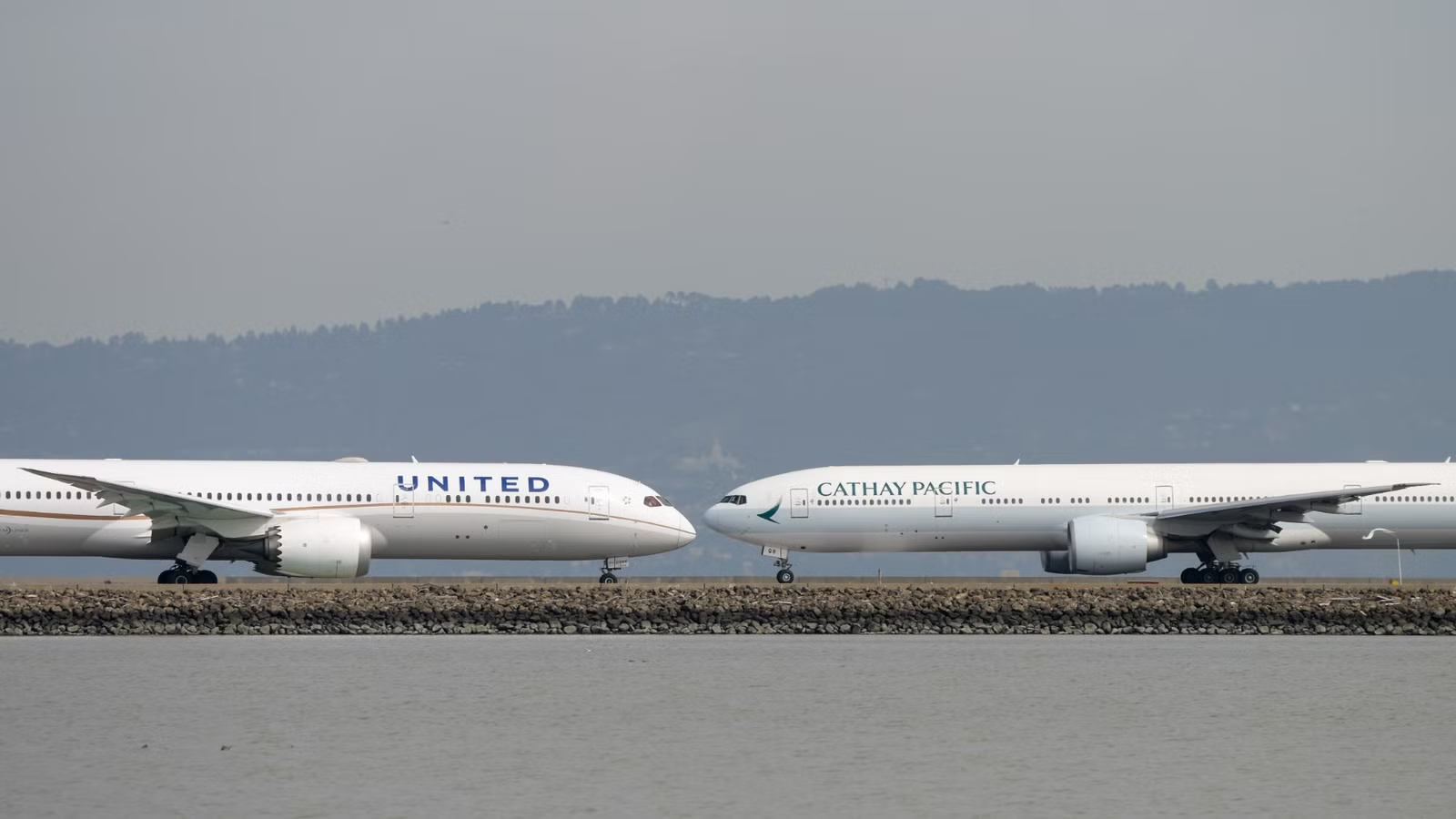
The Federal Aviation Administration officially shut down  San Francisco International Airport’s (SFO) side-by-side landings after determining that the current congestion presented too much risk. The agency found that the long-standing visual separation procedures no longer aligned with national safety policies.
SFO’s parallel east-west runways, 28L and 28R, are only 750 feet apart, which is closer than at any other major US hub. The decision comes as part of a wider effort by the FAA to reduce near-misses and accidents, following the fatal crash of American Airlines Flight 5324 in January 2025.
The FAA’s New Rules: No More ‘See And Avoid’

SFO is the thirteenth busiest airport in the US. It is also repaving the two north-south runways and does not expect them to become available for six months, according to Reuters. With this construction ongoing, the FAA’s move to cancel parallel landings has led SFO to warn travelers that delays will become more frequent, forecasting a 15% to 25% increase. United Airlines, as the largest operator at SFO, echoed the airport’s warning of higher congestion and flight disruptions.
The airport will reduce arrival rates from 54 per hour to 36 per hour under the new guidance. The San Francisco Chronicle reports that this will result in a 33% reduction in landing capacity. Despite the projected operational crunch, the FAA has cited continued near-miss incidents as the basis for heightened safety.
Recent close-calls include two separate cases in the past few weeks where a helicopter and an airliner came within just a few hundred feet at San Antonio Airport (SAT) and John Wayne Airport (SNA). The SF Chronicle reported this statement from the FAA following the agency’s procedure change:
“San Francisco International Airport (SFO) will experience some flight delays due to a runway repaving project and an FAA safety measure. It requires staggered approaches, with one aircraft offset from the aircraft on the parallel runway.”
Lessons Learned From The Tragedy Over The Potomac

Investigation findings by the National Transportation Safety Board and the FAA identified several systemic failures in the wake of the tragic crash of PSA Airlines Flight 5342. The Bombardier CRJ700 collided with an Army UH-60 Black Hawk during a final approach governed by visual separation rules. A single air traffic controller was managing both the helicopter and the commercial jet at the time of the mid-air collision.
The helicopter crew reported having the jet in sight and accepted responsibility for visual separation, but is believed to have tracked the wrong aircraft. The helicopter’s ADS-B tracking system was not broadcasting, and the jet’s TCAS collision avoidance system was automatically disabled because the aircraft was below 900 feet. All 67 people on board both aircraft were killed.
The FAA is now requiring radar-based separation at all major hubs to deconflict helicopter traffic and jetliner flights. While the 2025 Potomac River collision involved a helicopter and a jet, the FAA’s subsequent safety review identified the same underlying risk at SFO. The increased safety margins supersede SFO’s separation rules, making the 750-foot distance between runway 28L and 28R insufficient for compliance.

“More Dangerous”: FAA & DOT Reportedly Introduce New ATC Separation Mandate Without Guidance
There is some discussion about this new rule.
Slowing Down American Airports For Safety

The FAA issued updated rules in a nationwide General Notice to all US airports that visual approaches would be suspended in congested airspace across America. This blanket prohibition will be acutely felt by both the travelers and operators flying in and out of SFO.
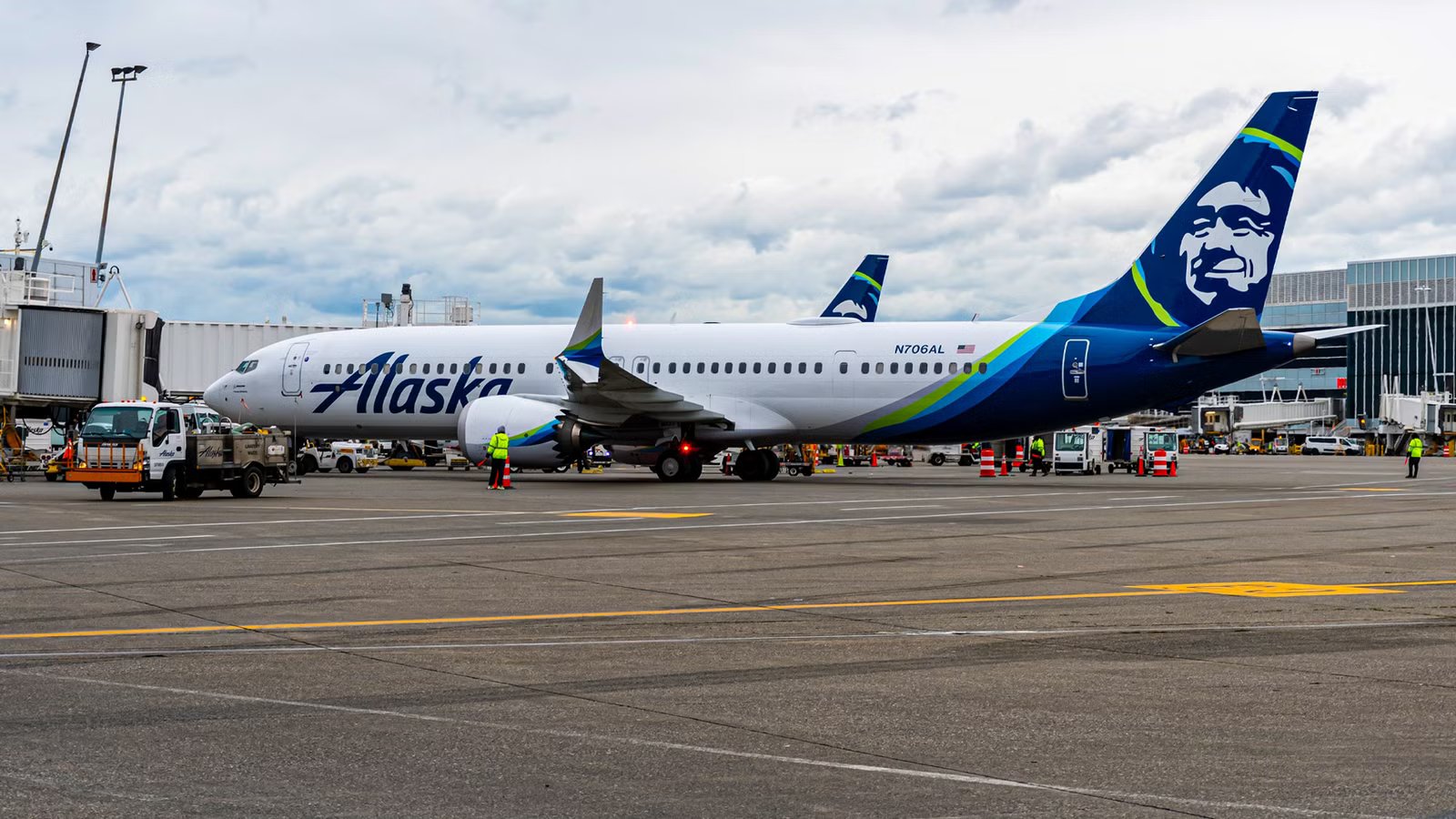
Summer schedules are expected to have fewer flights from United, which controls half of SFO’s capacity, but also Alaska Airlines, which operates 10% of flights as the second largest tenant carrier. Connecting flights through SFO will also require more buffer time to prevent missed flights due to the higher delay frequency.
Most delayed flights are expected to face at least a 30-minute hold before landing under the new rules. Staggered patterns often lead to longer flight times and increased fuel burn as aircraft are held in single-file lines further out from the airport.