dailynewsnblog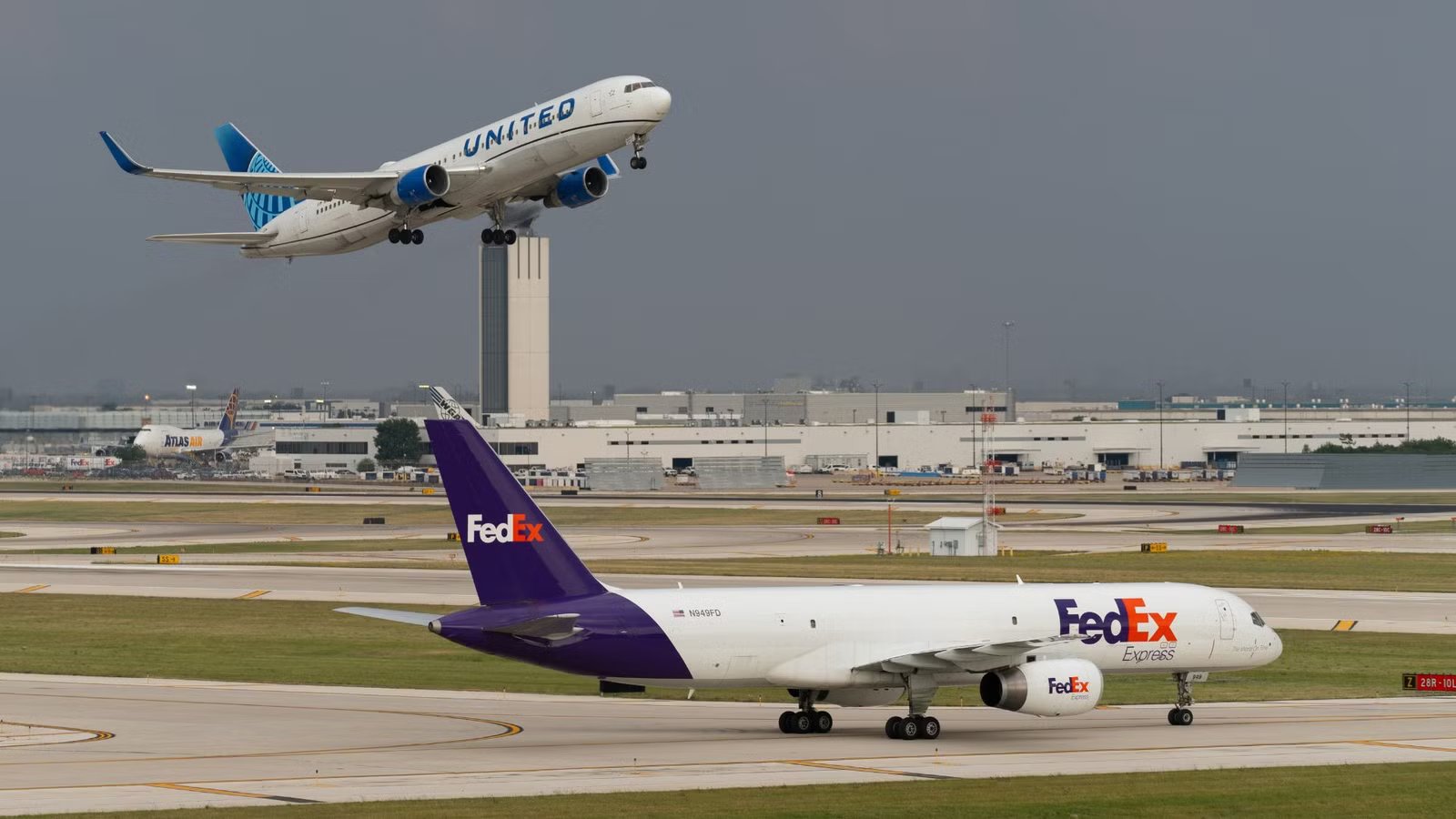
According to an article by CBS News, the Federal Aviation Administration (FAA) is stepping in to curb scheduled growth at  Chicago O’Hare International Airport, ordering a roughly 10% reduction in peak-day operations after airlines planned a sharp summer expansion. Regulators say total daily aircraft movements were set to exceed 3,000 on the busiest days, several hundred more than last year, straining available runway and air traffic control capacity. To stabilize operations, the FAA intends to hold activity closer to about 2,800 total daily takeoffs and landings. The adjustment is aimed at improving reliability and preventing system-wide delays.
The move primarily affects hub carriers  United Airlines and
  American Airlines, which together account for the majority of O’Hare’s traffic. Both airlines have significantly increased their planned schedules compared with 2025 levels, intensifying competition for market share in Chicago. Federal officials determined that projected flight volumes during peak banks would exceed what controllers can consistently manage. As a result, airlines will need to scale back certain frequencies ahead of the summer travel period.
FAA To Monitor Summer Flight Caps

According to FAA data, peak-day schedules are tracking more than 3,080 combined arrivals and departures, up from roughly 2,680 during comparable periods last year. Regulators view approximately 2,800 daily movements as a more sustainable threshold under current staffing levels. That gap of around 280 flights per day represents the scale of reduction being sought. Officials say trimming those flights during concentrated departure and arrival banks should reduce congestion on taxiways and in the surrounding airspace.
United has outlined plans for hundreds of daily departures from O’Hare, marking one of its most aggressive expansions at the airport in years. American has also boosted its Chicago schedule, adding frequencies across domestic and short-haul international markets. While such growth reflects strong passenger demand, it has also contributed to tighter operating margins during busy hours. By easing the load, regulators expect fewer cascading delays across the broader US network. In a document set to publish in the Federal Register next week, the FAA writes:
“This level of operations is manageable given the current infrastructure and staffing resources available at ORD. FAA proposes adopting these same limits throughout the Summer 2026 Scheduling Season to prevent large-scale operational disruption while also allowing air carriers to operate within the airport’s demonstrated manageable capacity.”
The Positive Impact Of Limiting Flights

O’Hare consistently ranks among the busiest airports in the country by aircraft movements, handling tens of millions of passengers annually. Its eight-runway layout allows for high throughput, but capacity still depends heavily on controller staffing and weather conditions. During summer thunderstorms, even minor disruptions can quickly ripple through tightly scheduled connection banks.
Recent months have shown that higher flight volumes correlate with reduced on-time performance at several major hubs, including Chicago. With air traffic control facilities nationwide continuing to rebuild staffing pipelines, regulators have increasingly used schedule management tools to maintain safe operating margins. Similar temporary caps or waivers have been introduced at other congested airports during peak seasons.
Even modest percentage cuts could yield measurable improvements in punctuality. Reducing just a few dozen operations per hour can create buffer space in the system, helping aircraft recover from delays more quickly. For passengers, the trade-off may mean slightly fewer daily options but more predictable departure and arrival times.

2025 Was The Busiest Year For US Air Travel In More Than 15 Years, FAA Says
The agency oversaw 17.2 million flights during the year.
Balancing Travel Demand With System Capacity

The Federal Aviation Administration has signaled that the temporary flight caps will be closely monitored throughout the summer scheduling period. While efforts to hire and train additional air traffic controllers continue, the certification pipeline can take years before recruits are fully qualified. Until staffing levels improve, adjusting airline schedules remains one of the FAA’s most immediate and practical levers to ease congestion.
For carriers, the mandated reductions mean reworking aircraft rotations, crew assignments, and tightly timed connection banks at Chicago O’Hare International Airport. As a major hub for both United Airlines and American Airlines, even small percentage cuts require careful network recalibration. Airlines must balance maintaining connectivity with complying with federally imposed limits.
Passengers may notice fewer departure options during peak travel windows, along with potential timetable revisions in the months ahead. However, regulators argue that a slightly leaner schedule can produce more consistent on-time performance. In the bigger picture, the move highlights the ongoing effort to match strong post-pandemic demand with the operational constraints of the US airspace system.