dailynewsnblog
To many aviation enthusiasts and travelers, the Boeing 767 conjures up images of classic widebody aircraft operating a variety of routes, from transcontinental flights across the US to long-haul transoceanic routes. First entering service in the early 1980s, the 767 has enjoyed a remarkably long commercial life, and even as newer, more fuel-efficient aircraft have entered the market, the aircraft remains stubbornly relevant, thanks to its versatility and economics.
Production of the Boeing 767 freighter variant will wind down in 2027, but that does not spell the end of the aircraft’s story. In fact, well into the next decade, the 767 will continue to be a common sight in the skies. From major US carriers like  United Airlines and Delta Air Lines to cargo giants such as Fedex Express and UPS Airlines, the aircraft persists because it fills roles that newer aircraft do not yet perfectly replace. In this article, we take a closer look at why the 767 is not heading for retirement anytime soon.
A Design That Still Makes Sense

The Boeing 767 was originally designed to offer a sweet spot between capacity and efficiency. As a mid-sized widebody, it could carry more passengers and cargo than single-aisle jets like the Boeing 737, but without the capacity (and operating cost) of larger widebodies such as the Boeing 747. This made the 767 ideal for airlines looking to serve transcontinental US flights and thinner long-haul routes where larger aircraft would be too big to operate profitably.
The aircraft’s flexibility meant it could serve as a workhorse on a variety of services, from transcontinental flights in the US to longer routes to Europe or South America, and that adaptability has been a major reason it has stuck around as other aircraft of a similar age have been retired.
Still In Service With Major Airlines

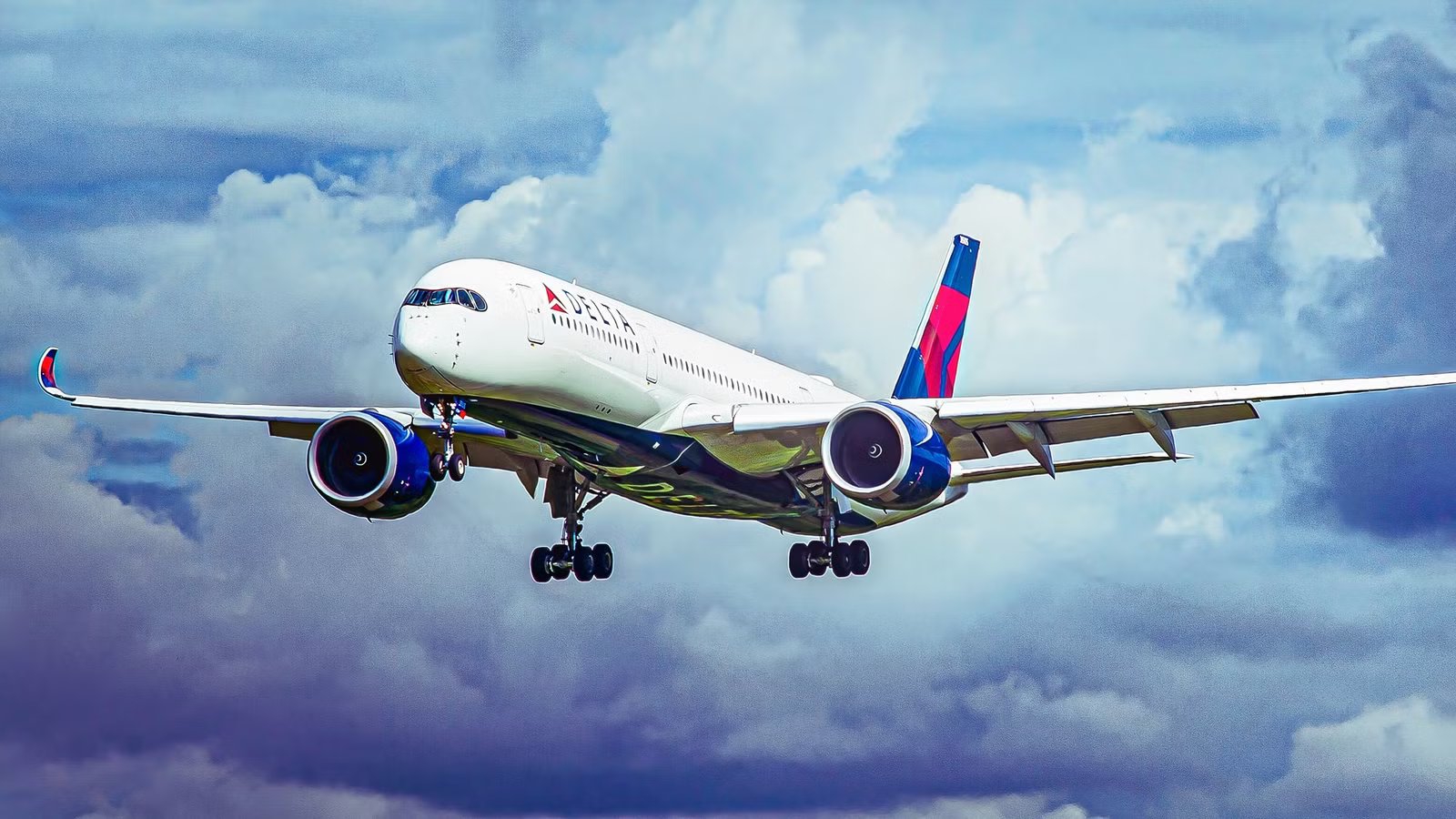
In the US, several major carriers continue to fly the Boeing 767 in passenger service.  Delta Air Lines has historically been the world’s largest operator of passenger Boeing 767, having operated dozens of 767-300ERs and 767-400ERs over the years, deploying them on services across the Atlantic and to South America. Today, the 767 has remained a significant part of the
  SkyTeam carrier’s operations, even as it continues to modernize its fleet with the likes of the Airbus A330-900 and Airbus A350-900.
United Airlines, the original launch customer of the Boeing 767 back in 1982, remains another major US operator. The  Star Alliance carrier deploys its 767s primarily on long-haul international flights and some domestic services. That said, the carrier does have plans to phase out the type by around 2030 in favor of more modern, efficient aircraft like the 787.
Beyond the US passenger market, carriers in Japan such as Japan Airlines and All Nippon Airways continue to operate 767s on short-haul and regional routes, showing that the type still has utility even outside its original transcontinental niche. The four largest operators of the passenger Boeing 767 and their current cabin configurations are outlined in the table below:
|
Airline |
Aircraft |
Business Class |
Premium Economy |
Economy Class |
Total |
|---|---|---|---|---|---|
|
Delta Air Lines |
Boeing 767-300ER (v1) |
36 |
– |
175 |
211 |
|
Delta Air Lines |
Boeing 767-300ER (v2) |
26 |
18 |
151 |
216 |
|
Delta Air Lines |
Boeing 767-400ER |
34 |
20 |
184 |
238 |
|
United Airlines |
Boeing 767-300ER (v1) |
30 |
24 |
145 |
199 |
|
United Airlines |
Boeing 767-300ER (v2) |
46 |
22 |
99 |
167 |
|
United Airlines |
Boeing 767-400ER |
34 |
24 |
173 |
231 |
|
Japan Airlines |
Boeing 767-300ER (v1) |
24 |
– |
175 |
199 |
|
Japan Airlines |
Boeing 767-300ER (v2) |
42 |
– |
219 |
261 |
|
All Nippon Airways |
Boeing 767-300ER (v1) |
35 |
– |
167 |
202 |
|
All Nippon Airways |
Boeing 767-300ER (v2) |
10 |
– |
260 |
270 |
Cargo Demand Is Keeping The Boeing 767 Alive

Perhaps the most compelling and longest-lasting source of demand for the Boeing 767 going forward is not passenger service but cargo. Across the globe, the 767-300F freighter variant has become one of the most common and enduring cargo aircraft.
In the US, FedEx Express operates a large fleet of Boeing 767 freighters, and the 767-300F has become a cornerstone of the carrier’s international and domestic cargo network, with well over 90 of the type in service. These freighters offer just the right balance of payload capacity, range, and operating economics for high-frequency cargo operations, making them difficult to replace.
Similarly,  UPS Airlines also operates a large fleet of 767-300F aircraft, relying on them heavily for cargo routes where volume and flexibility matter. These aircraft continue to be delivered through the mid-2020s, even as
  Boeing announces the end of production in 2027, reflecting strong ongoing demand.

The 10 Oldest Active Commercial Aircraft In The US In 2025
These 10 aircraft all range from 38 to 43 years of age, with the oldest Aircraft’s range being recorded as 42.88 years old.
A Growing Cargo Conversion Market

As earlier-generation passenger Boeing 767s are retired from airline service, another trend has been growing – converting these aircraft into freighter versions. Rather than being scrapped, many 767-300ERs are acquired by cargo operators (or their lessors) and modified to handle freight operations. This transition is relatively cost-effective compared with buying brand-new freighters, and it puts aircraft quickly into service with cargo airlines that need capacity.
This conversion pipeline has helped sustain not only the number of Boeing 767s flying but also the supply chain for parts, global maintenance expertise, and trained crews familiar with the type. The net effect is to push the operational life of the 767 well beyond what many would have expected even a decade ago.
For example, some of United Airlines’ older Boeing 767s that are phased out of passenger service may not be completely retired. Instead, they could be sold and converted for new cargo roles, ensuring the aircraft stay in the air even if their seats are removed, adding a layer of practical life extension that goes beyond a simple airline retirement timeline.

Why Did Boeing Build The 767 With Forward-Tilting Gear?
The forward tilting gear on the 767 comes down to two main factors: better ground handling and limited wheel-well space.
Strategic Fleet Planning Means Gradual Retirement

Even carriers that do plan to retire the Boeing 767 are doing so slowly, and often with careful strategy rather than haste. United Airlines and Delta Air Lines both plan to replace their 767 fleet with newer widebodies like the Boeing 787 and Airbus A330 or A350, but those transitions are stretching out over years, not months.
For example, Delta Air Lines has ordered both the Airbus A330-900 and A350-900 to modernize its long-haul fleet, and it has also placed orders for the Boeing 787-10 that will arrive later in the decade. But until those next-generation aircraft enter service in meaningful numbers and older 767s are fully phased out, the carrier will likely continue to fly these veteran aircraft on routes where they still fit. United Airlines also has indicated plans to retire its Boeing 767 fleet by around 2030, but with dozens still in service today and scheduled routes that rely on them, the transition is gradual. These long timelines mean that the carrier’s 767s will still be flying for years to come, even as newer aircraft arrive.
This slow, careful phase-out reflects the fact that replacing an established aircraft type is expensive and logistically complex, requiring extensive crew retraining. The result is that even older aircraft like the Boeing 767 remain useful far longer than enthusiasts sometimes expect.

The Aircraft Replacing The Boeing 767 In Cargo
The most likely candidate to replace the 767 freighter is the 777-8F, the freighter variant of the upcoming and long-delayed 777X.
All About The Boeing 767

The Boeing 767 occupies a unique place in commercial aviation history, bridging the gap between early widebodies and today’s highly efficient long-haul aircraft. Designed in the late 1970s, the 767 was Boeing’s answer to airlines looking for a fuel-efficient, twin-engine widebody that could serve both domestic and international routes. It was developed alongside the narrowbody Boeing 757, with the two aircraft sharing a common cockpit design that allowed pilots to fly both types with minimal additional training – a major selling point at the time.
The Boeing 767 made its first flight in September 1981 and entered commercial service one year later with United Airlines. Notably, the 767 was the first twin-engine widebody certified to fly transatlantic routes under early ETOPS rules, helping pave the way for today’s long-range twinjets and making the aircraft especially attractive to US airlines operating thinner long-haul routes that did not justify larger aircraft like the 747.
Over its lifetime, the Boeing 767 has been produced in several main variants. The original 767-200 was the shortest version, followed by the more popular 767-300, which became the backbone of many airline fleets. The extended-range 767-300ER proved particularly successful, offering the range needed for long-haul operations. Later, Boeing introduced the stretched Boeing 767-400ER, featuring a redesigned wing, updated avionics, and a larger cabin, primarily operated by US carriers such as Delta Air Lines and United Airlines.
The latest data from ch-aviation shows that FedEx Express is currently the world’s largest operator of the Boeing 767, with a total of 125 767-300Fs in service, followed by UPS Airlines with 80. The largest operators are outlined in the table below:
|
Ranking |
Airline |
Boeing 767-300ER |
Boeing 767-300F |
Boeing 767-400ER |
Total |
|---|---|---|---|---|---|
|
1 |
FedEx Express |
– |
125 |
– |
125 |
|
2 |
UPS Airlines |
– |
80 |
– |
80 |
|
3 |
Delta Air Lines |
45 |
– |
21 |
66 |
|
4 |
Amazon Air |
– |
55 |
– |
55 |
|
5 |
United Airlines |
37 |
– |
16 |
53 |