dailynewsnblog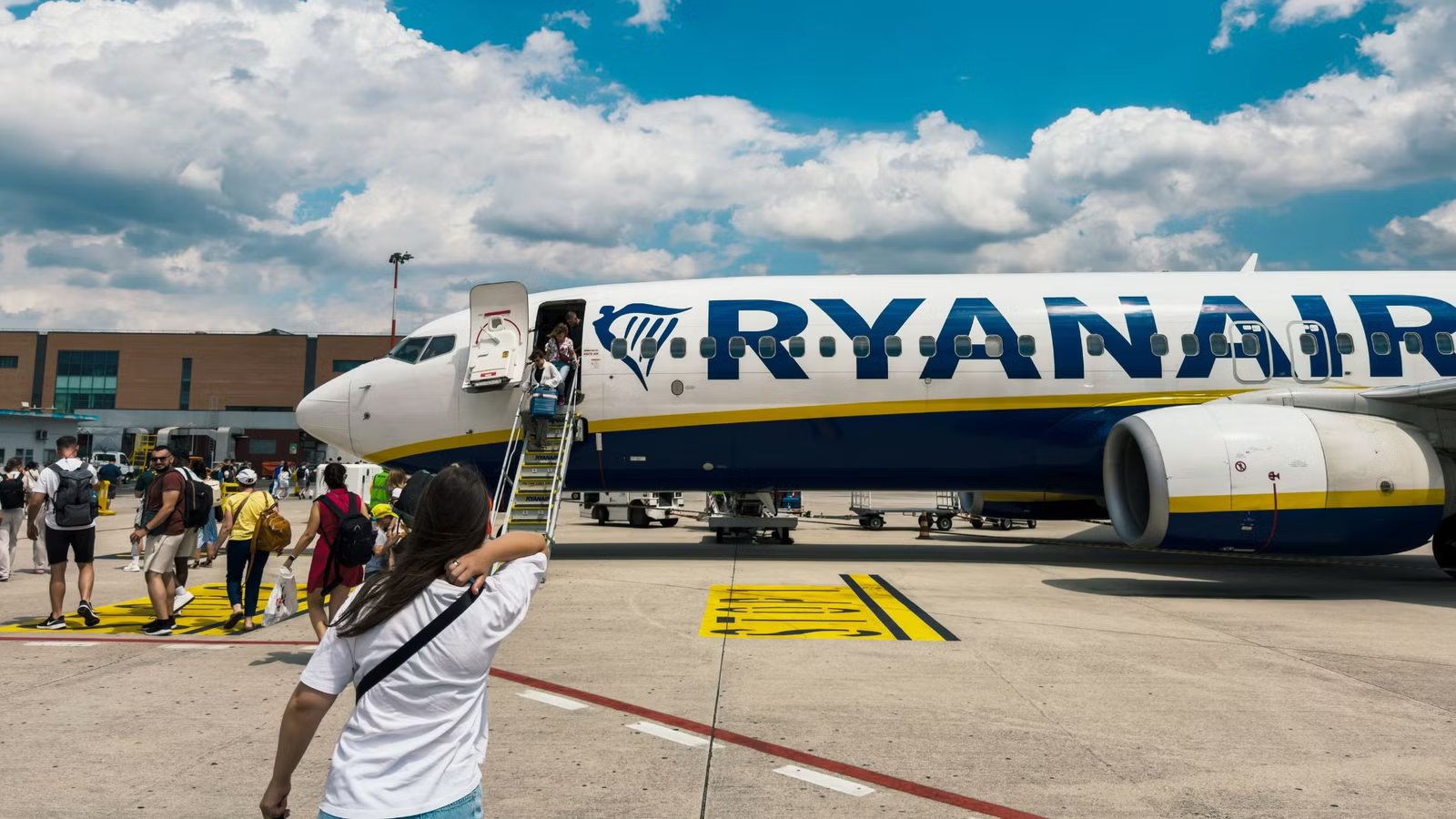
Ryanair is sounding the alarm over a potentially turbulent summer 2026 travel season, warning that passengers across Europe could face significant disruption. The airline’s chief executive, Michael O’Leary, says persistent weaknesses in European air traffic control could trigger widespread delays and cancellations during peak months. The concern spans major European airspace, particularly routes crossing France and Spain, where congestion and staffing pressures are most acute. The warning comes well ahead of the summer rush, when demand for air travel traditionally reaches its highest levels.
The warning does not come in isolation, as Europe’s air traffic system has struggled to keep pace with recovering travel demand in recent years. Repeated ATC strikes, slow recruitment, and long Air Traffic Controller training timelines have left parts of the network vulnerable during busy periods. Airlines argue that these structural problems have yet to be meaningfully resolved, despite repeated disruptions in recent summers. Ryanair’s comments reflect growing industry concern that 2026 could repeat, or exceed, past operational failures without intervention.
Ryanair Warns Of Renewed Summer Disruption In 2026

According to Ryanair, the greatest risk for summer 2026 lies in air traffic controller availability, particularly during periods of industrial action. Disruptions in French airspace are seen as especially problematic, as a large proportion of European flights pass through the country even when not landing there. Any reduction in staffing or capacity can therefore trigger knock-on delays across multiple countries. Ryanair has warned that these network effects make isolated national issues a continent-wide problem.
The airline maintains that Europe’s ATC challenges are largely preventable, pointing to what it sees as inefficient workforce planning and inconsistent performance standards among national providers. Ryanair has urged European authorities to apply stronger oversight, including penalties for under-resourced control centers. O’Leary has argued that airlines are already heavily regulated on punctuality and capacity, while ATC services face limited accountability. Without reform, he believes delays will continue to worsen as traffic volumes grow. Michael O’Leary, chief executive of Ryanair, said:
“We think this summer will be another mess with air traffic control. It’s good at the moment because we’re in the middle of the winter season.”
Air Traffic Control Pressures At The Center Of Ryanair’s Concerns

European air traffic control has faced mounting pressure since the pandemic, with staffing levels failing to rebound at the same pace as flight numbers. High-profile strikes, particularly in France, have repeatedly disrupted summer schedules, affecting both departing flights and aircraft merely transiting airspace. Because Europe operates through a patchwork of national control providers, disruption in one country often cascades across the region. This interconnectedness makes the system especially vulnerable during peak travel periods.
Training new air traffic controllers is a lengthy process that can take several years, limiting how quickly shortages can be resolved. At the same time, geopolitical factors, including restricted eastern airspace, have concentrated traffic into fewer corridors. This has increased controller workload in already busy regions. Airlines argue that these combined pressures have exposed long-standing structural inefficiencies within Europe’s air traffic framework.
Industry data consistently show that staffing constraints remain a leading cause of en-route delays in Europe, often outweighing weather or airport capacity issues. While some countries perform relatively well, others regularly account for a disproportionate share of delay minutes. This uneven performance continues to frustrate airlines operating pan-European networks, where reliability depends on the weakest link in the system.

Serious Bid Or Just Joking? Elon Musk Threatens To Buy Ryanair
A look at why Elon Musk is feuding with Ryanair Group CEO Michael O’Leary, and if Musk is serious about buying Ryanair.
Wider Industry Impact And What It Means For Passengers

Ryanair is not alone in its criticism, with several European airlines and industry groups calling for reform of ATC strike rules. Some have proposed protecting overflights during industrial action to reduce widespread knock-on effects. Others have renewed calls for progress on the long-discussed Single European Sky initiative, which aims to streamline airspace management across borders. Progress on these proposals, however, has remained slow.
Despite modest improvements in punctuality metrics in certain regions, peak-day performance remains fragile. Airlines note that even small staffing shortfalls can lead to outsized disruption when traffic levels are high. With passenger demand expected to continue rising through the middle of the decade, pressure on air traffic services is unlikely to ease without structural change. Summer 2026 could therefore prove a critical test for Europe’s aviation system.
Several national air navigation service providers have announced recruitment drives, but the long lead time required to qualify new controllers means these efforts may have limited impact in the near term. As a result, airlines remain cautious about the resilience of the system heading into future peak seasons.