dailynewsnblog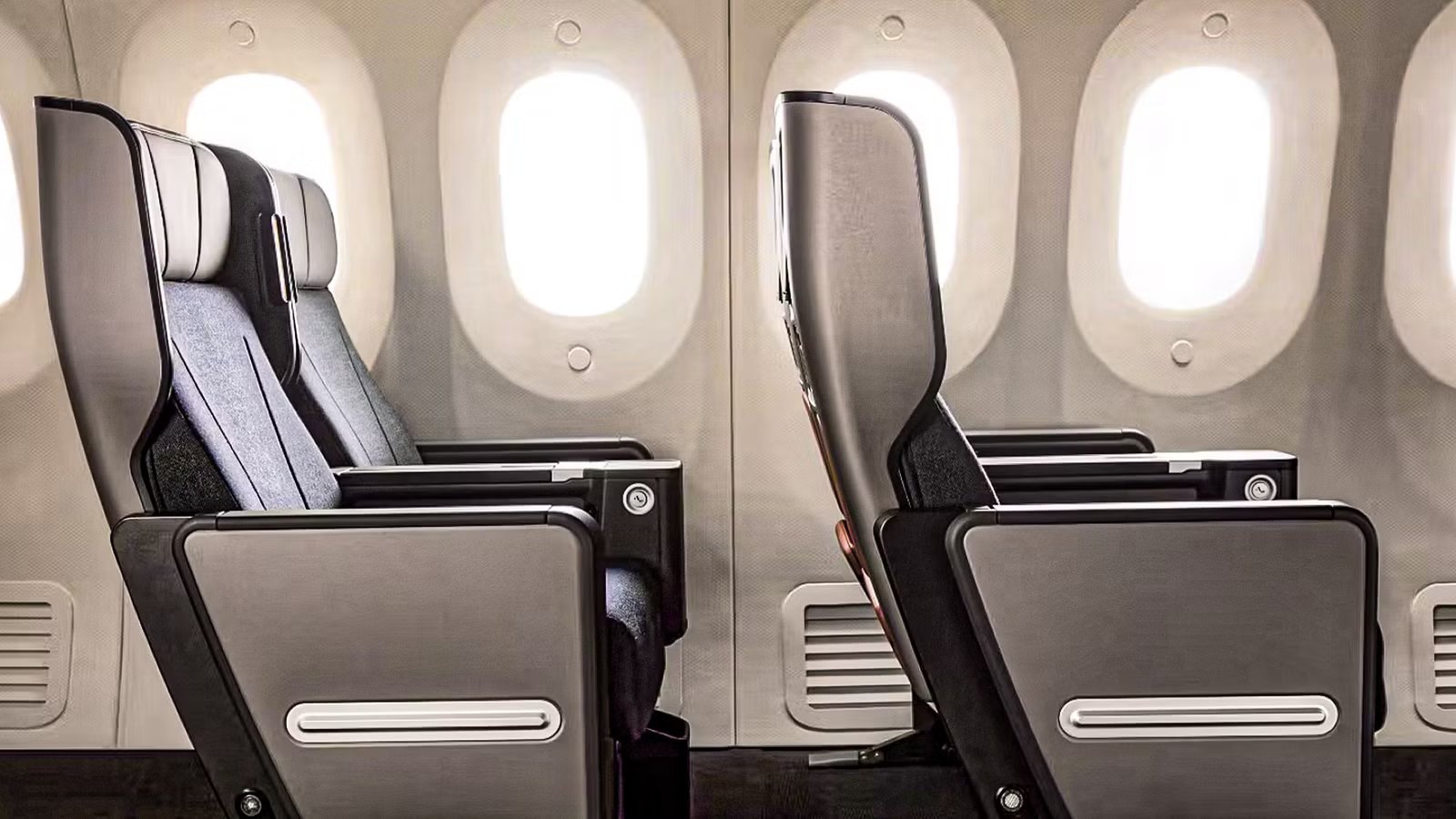
Premium economy is the newest travel class. Although it’s been around since the early 1990s (first introduced with EVA Air), it’s become mainstream over the past 15 years, as airlines around the world have begun embracing it. Positioned as a ‘middle ground’ between business class and economy, airlines find these cabins are far more lucrative than economy cabins, while passengers enjoy the added space and upgraded amenities without paying the exorbitant premium for business class, which offers a fundamentally different experience than either.
However, with premium economy still being relatively new, there remains debate as to its true value proposition. While it’s positioned as a middle ground offering, the actual experience is more similar to economy, and pricing can vary widely from route to route and from carrier to carrier. The value proposition of business class is generally accepted today, given that it’s an established travel class. From an airline perspective, there also remains some question as to the true demand for premium economy, and how to adjust seating configurations correspondingly.
What Do You Get With Premium Economy?

Premium economy is the mid-range offering between economy and business class. While some airlines offer premium economy in lieu of business class on short-haul flights, long-haul premium economy generally consists of the same benefits across different airlines. On the ground, premium economy passengers generally receive priority check-in and board before economy passengers. In addition, some airlines offer higher mileage earning rates with premium economy tickets, but not as high as business class.
The seat is the main attraction in premium economy. These seats are wider with more legroom than in standard economy (with 38 inches / 96.52 centimeters of pitch being the standard), and resemble business class seats from the 20th century. They often come with either a legrest, footrest, or both, and will usually include a larger screen. In addition, premium economy seats may come with a built-in reading light and additional storage compared to an economy seat, along with more recline.
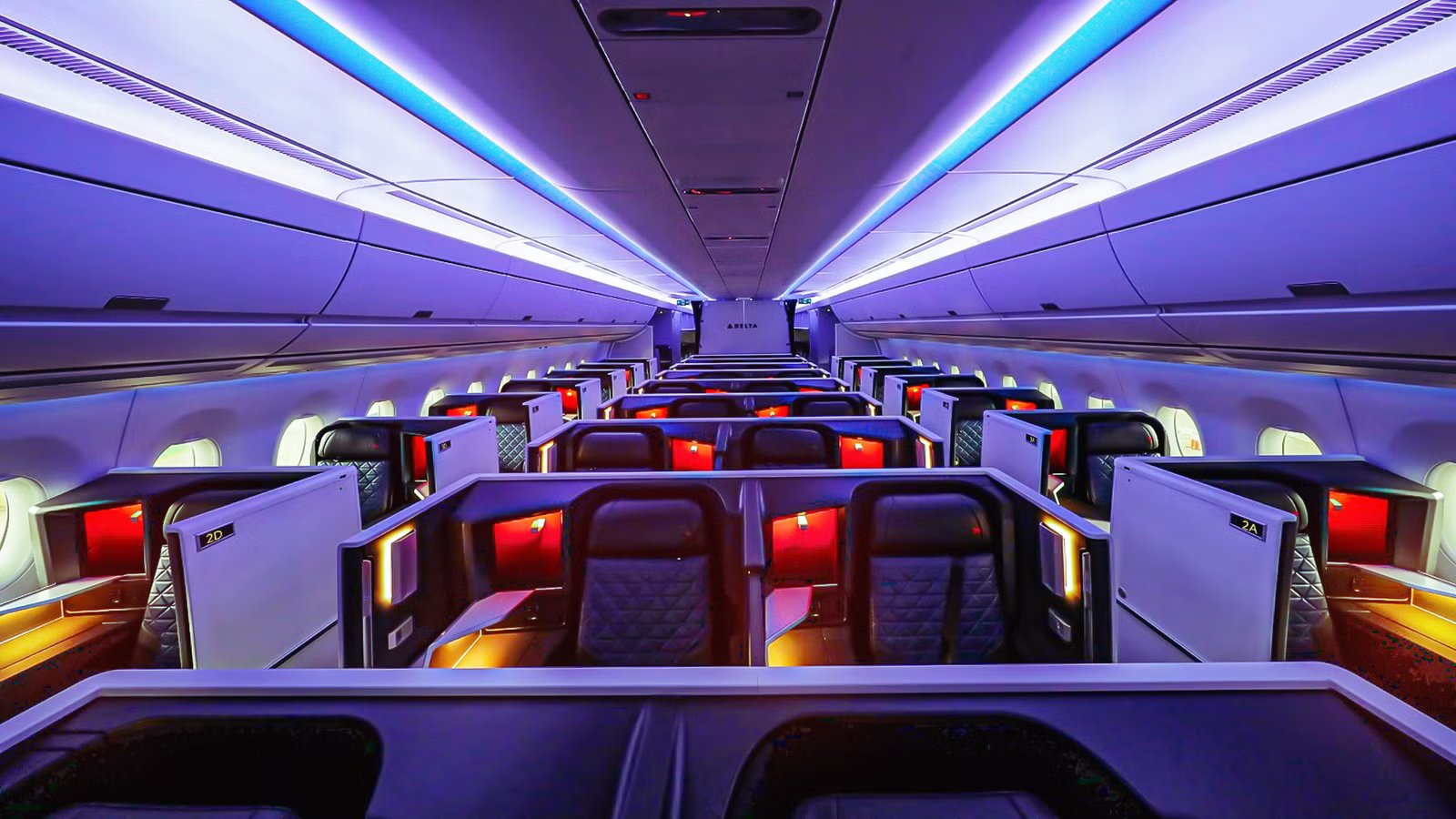
Premium economy passengers are given upgraded amenities and meals compared to economy passengers, but not as nice as business class passengers. In addition, while the seat does offer more room and comfort than an economy seat, it’s fundamentally a recliner seat that’s shaped like a larger economy seat. In business class, passengers typically receive a lie-flat seat with direct aisle access and also receive lounge access. Of course, premium economy is cheaper than business class.
A Questionable Value Proposition?

Premium economy is marketed as a middle ground offering between economy and business class, but the experience is much closer to economy than business class. Meanwhile, premium economy can often be pricey on many airlines, with tickets sometimes being twice or three times as expensive as an economy ticket, and often much closer to business class pricing. The main appeal of business class is the ability to sleep on flights or maximize work productivity, but premium economy is a significant downgrade if these are your main priorities.
Of course, the traditional answer to the question of a product’s value is ‘what people will pay for it’, so even though pricey premium economy tickets represent a poor value proposition on the surface, the continued demand for premium economy indicates that it is worth the premium. But if this doesn’t make sense, it’s because airlines still have low amounts of data regarding premium economy demand compared to economy and business class, and therefore lack an understanding of the true market for this cabin.
On average, premium economy cabins on airliners tend to be very small, ranging from 20 to 30 seats on most airlines, but premium demand on long-haul flights is fairly high in many markets. This means that supply is overly constricted compared to demand, which is why premium economy tickets are pricey, sometimes almost as much as business class. As airlines reconfigure their aircraft and now have more data, they’re also increasing the size of premium economy cabins across the board, which may cause prices to gradually lower over time.

The US Airlines With The Most Spacious Premium Economy Seats In 2026
Across major US air carriers, premium economy is delivering on comfort. Let’s look at some of the best seats available with top American carriers.
Case Study: Delta Air Lines Versus United Airlines

In 2017,  Delta Air Lines debuted PremiumSelect, and in 2019, United Airlines unveiled Premium Plus. These products are now available on almost all of their widebody aircraft, and both airlines are planning to install the cabin on narrowbody Airbus A321neo aircraft in the future. Both airlines use the Collins Aerospace MiQ, so apart from the visual design, they essentially offer the same product. What differs, however, is how the carriers installed these seats on their widebodies.
Delta believed that PremiumSelect demand would siphon off demand from its Delta One business class cabin, and so with the Airbus A350-900 (which debuted PremiumSelect), it installed only 32 Delta One suites along with 48 PremiumSelect seats, a massive cabin especially for 2017. With its Boeing 777 fleet, meanwhile, these planes formerly had 37 Delta One seats and were reconfigured with 28 Delta One Suites along with 48 PremiumSelect seats. Some widebody aircraft did not lose Delta One seats during PremiumSelect retrofits, but they received comparatively small PremiumSelect cabins instead.
|
Delta Air Lines Widebodies |
Delta One |
Delta PremiumSelect |
Delta Comfort |
Economy |
Total Seats |
|---|---|---|---|---|---|
|
Airbus A330-200 |
34 |
21 |
24 |
144 |
223 |
|
Airbus A330-300 |
34 |
21 |
24 |
203 |
282 |
|
Airbus A330-900 |
29 |
28 |
56 |
168 |
281 |
|
Airbus A350-900 |
32 |
48 |
36 |
190 |
306 |
|
40 |
40 |
36 |
159 |
275 |
|
|
Boeing 767-300ER |
36 |
N/A |
32 |
143 |
211 |
|
26 |
18 |
21 |
151 |
216 |
|
|
Boeing 767-400ER |
34 |
20 |
28 |
156 |
238 |
United Airlines, in contrast, has long favored large business class cabins, due to the fact that its hubs are located in extremely large business centers, and did not install Premium Plus at the expense of Polaris. However, the carrier installed only three rows of Premium Plus on its Boeing 777 and 787 aircraft, while all 767s got four rows. This was a far more conservative approach. Neither Delta nor United could predict where premium economy demand would go, but United’s approach restricts supply in many more cases than Delta’s, which leads to higher prices.
Current Choices Regarding Premium Economy Layouts

While Delta’s original A350 configuration featured 32 Delta One suites and 48 PremiumSelect seats, the carrier is currently reconfiguring its A350s to a new ’35H’ layout, with 40 Delta One suites and 40 PremiumSelect seats. Delta is removing one row of PremiumSelect, but adding two rows of Delta One while also cutting 31 economy seats. United Airlines, meanwhile, is taking delivery of new premium-heavy Boeing 787-9s in a ’78L’ layout with 64 Polaris suites and 35 Premium Plus seats, spread out across five rows.
Airlines are adding more premium economy seats to their aircraft, usually at the expense of economy rather than business class.  American Airlines is taking delivery of new 787-9s in a ’78P’ layout with 51 Flagship suites and 32 premium economy seats, while its Boeing 777-300ERs will be reconfigured with 70 Flagship suites and 44 premium economy seats. Its 777-300ERs currently feature 28 premium economy seats. This is the case in other markets too, as Air France’s four-class 777-300ERs are going from 28 premium economy seats to 44.
|
Airline (Data from aeroLOPA) |
Aircraft |
First Class |
Business Class |
Premium Economy |
Economy |
Total Seats |
|---|---|---|---|---|---|---|
|
Air France |
Boeing 777-300ER |
Four |
58 |
28 |
206 |
296 |
|
Four |
60 |
44 |
204 |
312 |
||
|
American Airlines |
Boeing 777-300ER |
Eight |
52 |
28 |
216 |
304 |
|
N/A |
70 |
44 |
216 |
330 |
Premium economy represents a poor value proposition when it’s priced close to business class, but prices are currently high because demand is rising and supply is low in many cases. In the future, as premium economy cabins get larger, expect prices to be lowered to a more reasonable degree, although they will still be pricey compared to economy.

Why Don’t Many US Airlines Offer Premium Economy On Every Aircraft?
Discover why airlines don’t want to install premium economy on short-haul aircraft.
Why Airlines Are Chasing Premium Economy Passengers

In 2020, after years of holding off,  Emirates announced that it would begin installing premium economy fleetwide, and is rapidly retrofitting planes with the new cabin while also taking delivery of new Airbus A350s with premium economy. LATAM will be installing Premium Comfort on its Boeing 787s starting in 2027, while Alaska Airlines will begin retrofitting its Hawaiian Airlines-branded Airbus A330-200 fleet with premium economy in 2028.
Many airlines are now reporting that premium economy is their most profitable cabin on a square footage basis, since premium economy seats take up much less space, and the services associated with the cabin are much less costly than business class. Meanwhile, demand for premium leisure travel is generally on the rise, but some passengers don’t necessarily require a business class pod with lie-flat seats and lounge access. Premium economy is often a more appealing option.
Premium economy is popular with passengers and is quickly becoming a necessity for airlines. More often, passengers are choosing premium economy over economy, rather than abandoning business class, and airlines are expanding premium cabins as a whole while shrinking economy. With business travel close to or fully recovered to pre-COVID levels in many areas of the world, airlines are making more money than ever from premium cabins, a trend that’s unlikely to subside in the near future.