dailynewsnblog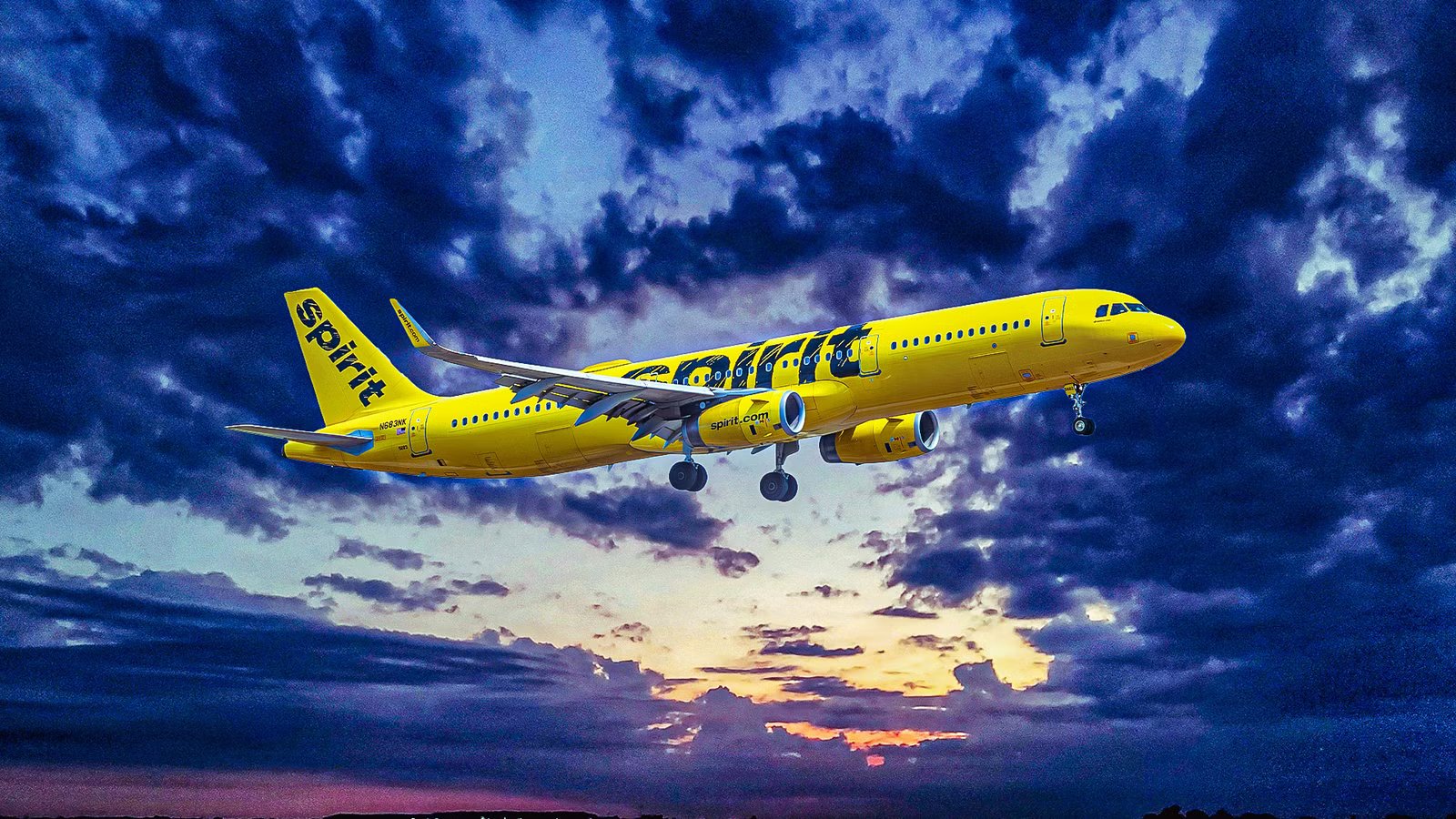
In the middle of February 2026, a wave of cancellations and delays by US-based bankrupt low-cost carrier Spirit Airlines has left hundreds of travelers stranded at Florida airports, scrambling for options to reach their destinations. Unlike larger carriers, Spirit does not have interline agreements with other airlines, meaning that it is not capable of automatically rebooking passengers on competing carriers when disruptions begin to mount.
This extensive absence of cooperative booking partnerships has, unfortunately, left Spirit passengers uniquely isolated when flights are canceled, forcing them to rely on refunds or their own resources to secure new tickets, often at steep last-minute prices. In contrast, legacy carriers with interline ties can at least try to place disrupted customers on partner flights.
An Unfortunate Situation For Spirit Airlines Passengers

Spirit Airlines has encountered a rather unfortunate set of complicated operational disruptions, including canceled and delayed flights that have affected routes through a handful of major US airports. The most important facilities that have encountered this situation include Fort Lauderdale International Airport (FLL) and Orlando International Airport (MCO), according to reports from The Sun. These disruptions have left travelers stuck in terminals with limited rebooking options. The United States has relatively limited customer protection, unlike the European Union or the United Kingdom.
In the United States, most major carriers like United Airlines and  Delta Air Lines participate in interline and alliance networks that allow them to easily move passengers between airlines when schedules fall apart. Spirit Airlines, however, does not have any of these kinds of agreements, something that forces it to rebook passengers exclusively onto its own flights, and it has no contractual mechanisms to shift customers to a United Airlines, Delta Air Lines, American Airlines, or other flight in the event of a cancellation. Beyond these agreements, passengers literally have no system-level path to alternate service from competitors.
Spirit’s Woes Only Seem To Continue

Spirit Airlines’ continued operational woes highlight deeper structural challenges for the ultra-low-cost carrier operating model. Budget airlines operate with tight schedules, minimal space capacity, and a business strategy that strips out many traditional services, including customer-protective interline arrangements. However, this becomes a major challenge from a passenger experience perspective when a carrier has to deal with operational disruptions.
While this model keeps base fares extremely low, it also means that Spirit has fewer tools to manage irregular operations when weather, staffing, or mechanical issues cascade. Without interline agreements or airline alliance partnerships, Spirit’s network stands alone. When flights are canceled, this puts a lot of pressure on the airline and its systems. The carrier’s only real recourse is to book passengers on other Spirit Airlines flights. If none happen to be available, then the airline is pretty much forced to directly issue refunds.
This extremely limited operational flexibility can undermine customer confidence and accentuate frustration, especially compared with legacy carriers that, at the very least, attempt to salvage disrupted travel by placing passengers on flights operated by partners. In an era of heightened consumer expectations, Spirit’s stand-alone network is a glaring liability, one that adds to its mounting financial challenges.

ALPA Calls On Spirit Airlines’ Bondholders To Provide Funding To Emerge From Bankruptcy
A look at how stable Spirit Airlines’ future is.
Why Won’t Other Major Airlines Help Spirit Out?

For travelers, Spirit’s lack of interline agreements can turn a set of cancellations into a public relations crisis. When a United Airlines or Delta Air Lines flight gets canceled, those airlines often leverage existing agreements to rebook affected customers on partner carriers at no extra cost, smoothing out travel hiccups.
Spirit Airlines passengers, unfortunately, do not have access to this safety net. Competitors do not refuse to help, but rather are not under any contractural obligation to do so. Even if they wanted to help, there would be no systematic way to actually rebook passengers. Airlines that participate in interlining or alliances will have shared booking systems and revenue-sharing arrangements that make transferring passengers between airlines very straightforward.
Spirit’s choice to forgo such agreements means that United, Delta, or  American Airlines and others are not set up to absorb Spirit’s displaced passengers and their systems will not automatically recognize or honor Spirit tickets, and they are not compensated for carrying them. As a result, stranded Spirit Airlines passengers will typically secure and pay for new tickets themselves or accept refunds and return home when Spirit reschedules.