dailynewsnblog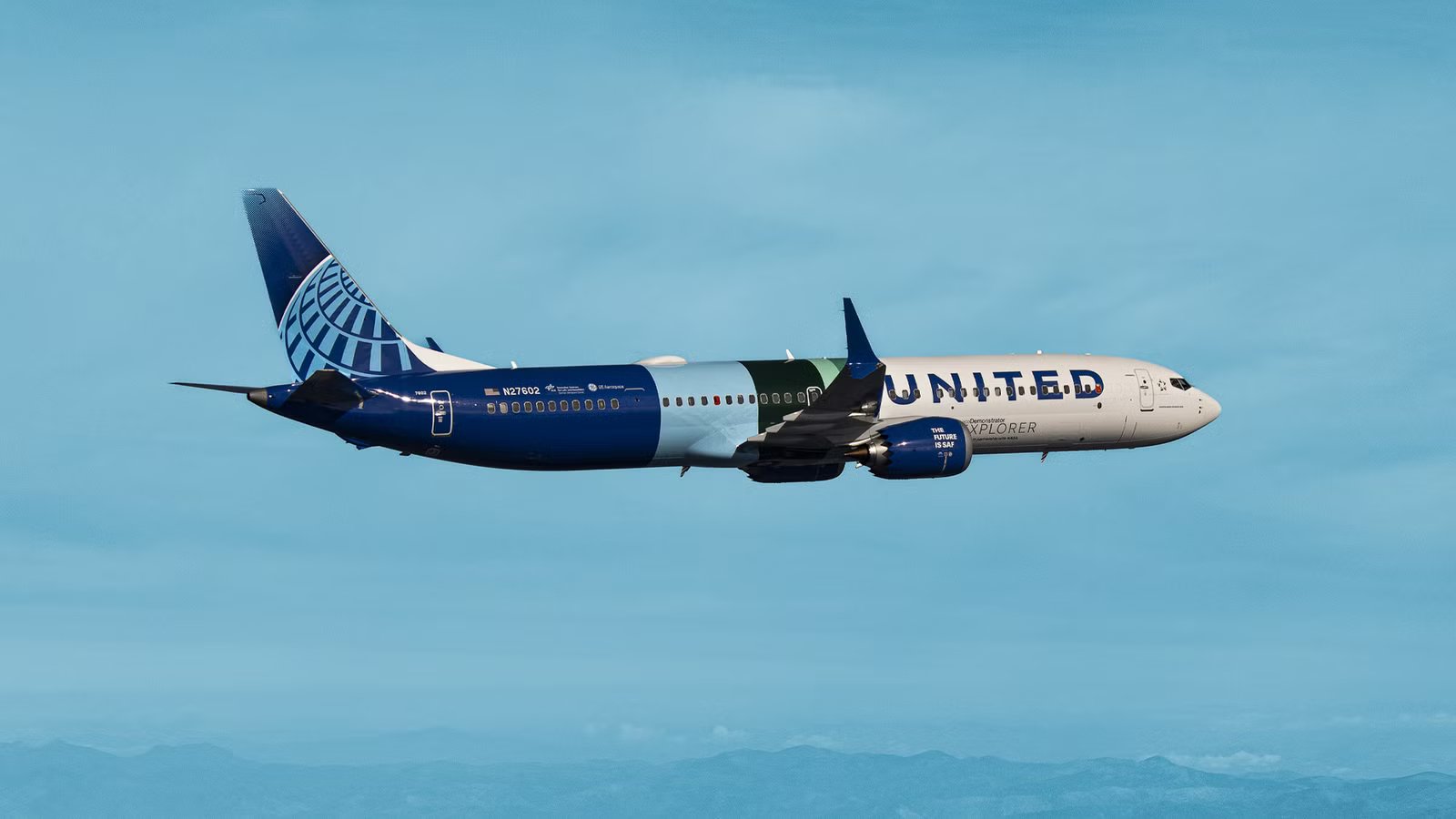
 Boeing markets the, as of yet uncertified, 737 MAX 10 as the most profitable narrowbody aircraft in the world. The jet has yet to enter mass production, but is expected to do so next year. When it is delivered to operators, it will become the largest variant of the new 737 MAX family. Having the largest seat capacity in the series, combined with the efficiency that the latest and greatest iteration of the 737 is known for, will make it the lowest cost per seat to operate of any single-aisle Boeing has ever made.
Famously, Airbus surpassed Boeing to take the crown for producing the most prolific airliner in history when the A320 family surpassed the 737 series for most deliveries in its combined history of production. Although the 737 MAX 10 may not single-handedly reclaim the throne for Boeing, it is highly anticipated by many carriers around the world and will certainly take a large market share when deliveries begin.

The 737 MAX 10 is a highly anticipated addition to the MAX series and a successor to the stretch models of the 737 Next Generation (NG), which are slowly being phased out by many airlines. Some have opted to go with Airbus due to the production delays and fleet groundings that the 737 MAX family experienced over the last half-decade due to the fatal crashes of Lion Air 610 and Ethiopian Airlines 310. On the other hand, others have opted to wait it out as they strongly prefer the Boeing jet over its Airbus competition.
According to the HeraldNet, Boeing CEO Kelly Ortberg made comments at a July 29 company earnings call that offered an indication of the new timeline for the MAX 10 to enter certification, saying:
“We continue to mature the technical solutions for engine anti-ice and certification path for the 737 MAX family derivatives. Work on the solution is taking longer than expected, and we now are expecting certification in 2026.”
Even with the historic fleet grounding and seemingly endless schedule slides, loyal Boeing operators like WestJet have stood fast and kept faith in the legendary American plane maker. As the company’s struggles appear to be slowly subsiding, with quality control appearing to be up to the same standards historically expected of the iconic aerospace company, hope has stayed strong.
WestJet CEO Alexis von Hoensbroech told Reuters in November:
“We are pretty confident that this is moving forwards and that’s what we also hear from Boeing. At this point in time, the delivery schedule foresees that we will receive our first MAX 10 in Q4 2026. So we hope it happens.”
In the wake of the mishaps that claimed the lives of 350 aircrew and passengers in 2018 and 2019, still more incidents occurred, which have prolonged the arrival of the 737 MAX 10. Boeing discovered issues with the engine de-icing in 2021, which later became a major sticking point in 2023, and then in 2024, Alaska Airlines’ 737 MAX jet lost a door plug in flight. The combined impact of these engineering and quality control failures has led to the continuous delay of the MAX 10 to production.
The Historic Rivalry Continues

Airbus, for its part, will certainly not sit idly by and wait for the new stretched model of the 737 MAX to simply claim its potential customers. The A321neo is already exceptionally popular among airlines around the world, and a large backlog ensures that Airbus will continue to enjoy steady demand. The A321neo was the largest variant by capacity and range of the newest generation of the A320 family.
The A321XLR has a significantly longer range at 4,700 nautical miles (8,700 km) compared to the MAX 10 with just 3,100 nautical miles (5,740 km). This difference may sound like an oversight, but it is actually by design. The MAX 10 is optimized for high-density short-haul, with medium range being the upper limit of its intended routes. These are airline “bread and butter” missions where the MAX 10 is designed to excel.
The A320 family has come to be as prolific as the 737; however, the market is still virtually split down the middle, with the cost of switching from a Boeing to an Airbus ecosystem of maintenance and training being a very important sales factor. The A321 is optimized for long and thin routes, more than it is for high-density routes, even though it can seat around the same maximum capacity in certain configurations.
The two jets are exceptionally well-matched in technical specifications, but it has been said that the 737 MAX 10 is competitively priced to persuade airlines to stick with the Boeing family. Add that to the legacy 737 infrastructure and skill pool that many airlines around the world already have, and you have a winning combination. The added range simply isn’t worth it for some operators, as it is “too much plane for the mission,” meaning there would be no return on investment for many airlines.

All The Airlines Waiting For Boeing To Certify The 737 MAX 10
With regulatory obstacles pending and airlines awaiting final approval, all eyes are on Boeing’s largest single-aisle aircraft, the 737 MAX 10.
MAX 10 By The Numbers

The A321neo may have the overall technical edge in flexibility, range, and passenger capacity, but the 737 MAX 10 is technically superior only within the niche of short-haul, high-density operations for existing Boeing operators. The technical advantages of the A321neo come with a price tag and a weight penalty that is not desirable to many operators.
The 737 MAX’s smaller overall dimensions and a wingspan that is only slightly wider than the A321neo’s allow it to fit into Code C gates. That means it can operate at airports with more constrained ramp space, shorter runways, and lower weight restrictions. The MAX 10 is also a physically lighter aircraft compared to the A321neo, which can lead to better fuel efficiency and lower operating costs on the shorter, high-frequency routes it is designed for.
The 737 MAX family features distinctive “Advanced Technology” split-scimitar winglets and a refined nose that offer aerodynamic advantages and improved fuel burn during the climb phase of flight. The 737 MAX family is well known for its impressive claim of performance thanks to demonstrations at air shows around the world.
Back In Black

The 787 Dreamliner has been a crucial financial stabilizer for Boeing during the crises surrounding the 737 MAX and 777X. From a sales and financial perspective, the recovery of the 737 MAX 10 complements the steady success of the 787 Dreamliner by offering airlines a full “tip-to-tail” fleet solution. Boeing is expected to return to overall profitability and positive free cash flow next year, driven by the combined momentum of both programs.
The 787 is the best-selling widebody aircraft in history, with over 1,400 orders. The strategic combination of the high-volume MAX 10 and the profitable 787 Dreamliner helps Boeing counter Airbus’ dominance. The full recovery of the MAX family production capacity provides Boeing with a complete product offering once again, of both narrowbody and widebody aircraft.
The existing operator base of the successful 787, on top of the legacy 737, provides a ready market for the MAX 10. While technical overlap is minimal, operational commonality is a significant sales incentive. Boeing can use the 787’s strong reputation for reliability and efficiency to upsell the MAX family. It allows Boeing to compete effectively in the two largest market segments, essential for recovering market share lost during the MAX grounding and subsequent quality control issues.
The expected certification of the 737 MAX 10 in late 2026 will allow Boeing to begin deliveries of the final, largest variant of its best-selling jet family. Boeing is increasing the 787 production rate and working through a large backlog of undelivered jets. The combined high-volume MAX program and the 787 widebody program are forecast to significantly aid in achieving sustained financial health and reach the company’s target of $10 billion in annual free cash flow.

Why The Boeing 737 MAX 10 Has Such A Long Fuselage
Boeing’s longest 737 yet: will it revolutionize air travel or struggle to take off?
Inspired by The Dreamliner

The 737 MAX and 787 Dreamliner share a limited number of technologies, mainly in the flight deck and aerodynamics, with no major structural component overlap due to their fundamentally different design philosophies, aluminum for the 737 versus 50% composites for the 787. The 787 was Boeing’s first clean sheet aircraft design in decades, while the 737’s original engineering basis dates back to the 1960s.
The unique, chevron-shaped edges on the rear of the 737 MAX engine nacelles, designed to reduce engine noise, were an aerodynamic and acoustic design feature inspired by those first used on the 787’s engines. The 737 MAX also utilizes fly-by-wire control for its spoilers, which is a more advanced system aligned with the greater use of electronics in the 787’s design.
The 787’s modern cabin design, featuring larger pivoting overhead bins and an advanced LED lighting system to simulate different times of day, has become a standard feature on the 737 MAX family. The 737 MAX flight deck also incorporates four large 15.1-inch LCD displays, which are the same size and general arrangement as those used in the 787 Dreamliner.
The stunning success of the 787 has even influenced the design of the upcoming 777X, Boeing’s Next Generation widebody that will succeed the legacy 777 family. The Dreamliner is setting the new standard for Boeing commercial aircraft, with enthusiastic results among both operators and customers.
Despite the roller coaster that the 737 MAX program has experienced since its debut in 2017, the MAX 10 promises to be a major contributor to reclaiming the 737 family’s once golden reputation. It is not unreasonable to think that, in time, the catchphrase “if it’s not Boeing, I’m not going” may once again become a mantra among aircrew and travelers alike.