dailynewsnblog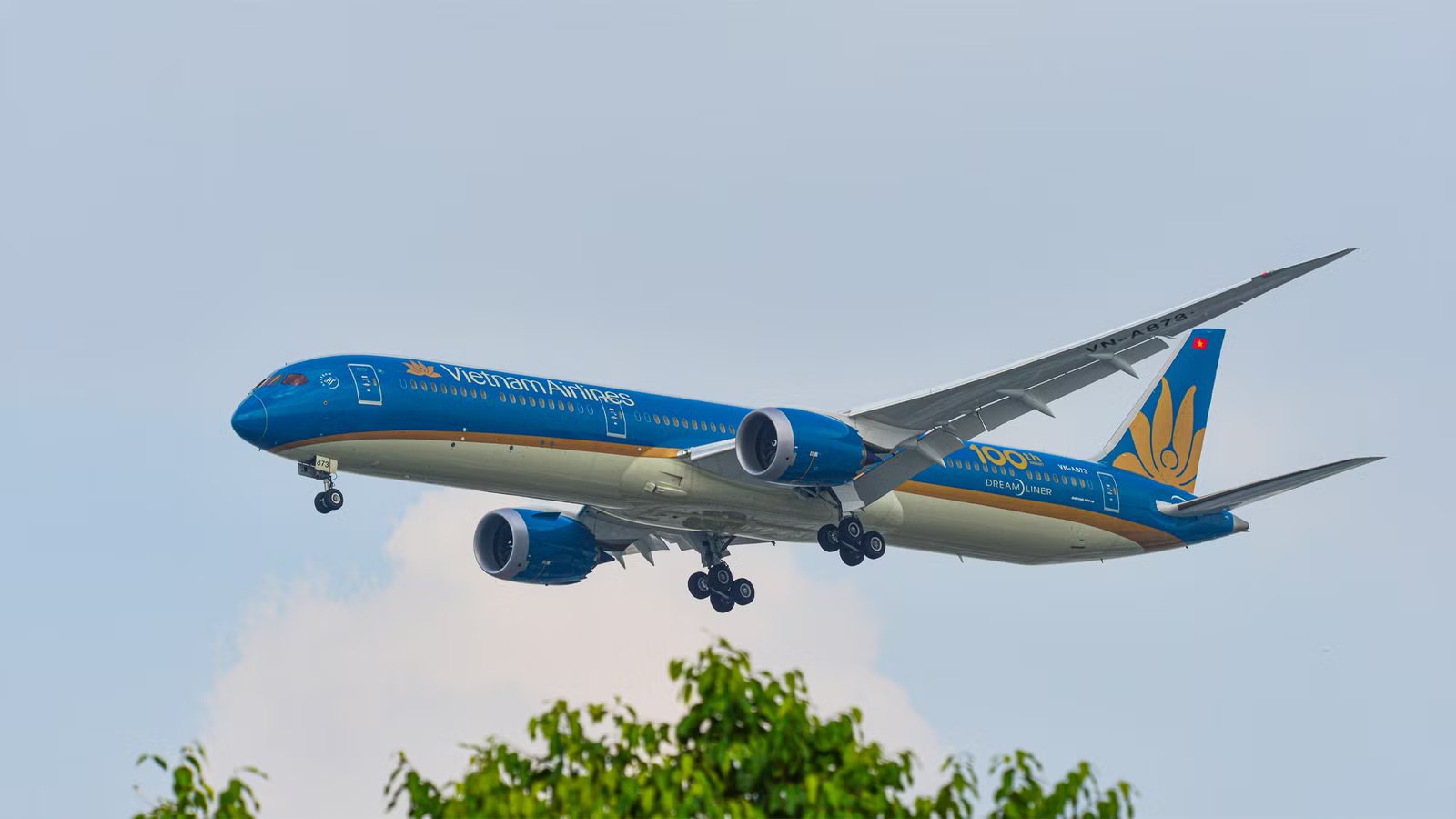
At first glance, the landing gear of modern widebody aircraft can look surprisingly similar, but subtle differences often reveal important engineering decisions. A clear example is found within the Airbus A350 family. While the Airbus A350-900 uses a four-wheel landing gear truck on each side, the larger Airbus A350-1000 uses a six-wheel bogie. Interestingly, all three variants of the Boeing 787 Dreamliner family, including the largest Boeing 787-10, continue to use four-wheel main landing gear trucks.
This raises an interesting question: why did Airbus add two additional wheels to the A350-1000 while Boeing kept the same four-wheel configuration across the entire 787 family? The answer comes down to aircraft weight, structural changes between variants, and how engineers distribute loads across airport runways. By looking at the design differences between the Boeing 787 and Airbus A350 families, as well as how landing gear systems support large aircraft, the reasoning behind this change becomes much clearer.
About The Boeing 787 Dreamliner & Airbus A350 Families

The Boeing 787 Dreamliner and the Airbus A350 represent the newest generation of long-haul twin-engine aircraft developed by Boeing and Airbus. Both aircraft families were designed around similar goals: improved fuel efficiency, long-range capability, and the use of advanced composite materials to reduce weight. Each family consists of multiple variants that allow airlines to choose different passenger capacities and ranges while maintaining common pilot training and operational procedures.
Within the Boeing lineup, the Dreamliner family consists of three main variants: the 787-8, 787-9, and the stretched Boeing 787-10. The 787-8 was the first version introduced, followed by the larger 787-9, which quickly became the most popular variant due to its balance of range and capacity. The 787-10 is the longest version of the aircraft and offers significantly more passenger capacity, but slightly less range than the smaller models. Despite these size differences, all three variants share the same basic landing gear design, with a four-wheel main landing gear truck on each side of the aircraft.
The Airbus A350 family follows a similar structure with two primary variants: the Airbus A350-900 and the larger Airbus A350-1000. The A350-900 entered service first and is comparable in size to the Boeing 787-9, while the A350-1000 is a longer, higher-capacity version designed to compete more directly with larger widebody aircraft such as the Boeing 777. However, unlike the Boeing 787 family, Airbus made a significant change to the landing gear when developing the A350-1000, increasing the number of wheels on each main landing gear truck from four to six.
How Landing Gear Wheel Configurations Work

The number of wheels on an aircraft’s landing gear is not chosen for appearance or symmetry. It is primarily determined by how much weight the aircraft must support and how that weight is distributed across airport runways and taxiways. Engineers must ensure that the pressure exerted by each wheel remains within pavement limits used at airports around the world. If too much weight is concentrated on too few wheels, the aircraft could damage the runway surface or be restricted from operating at certain airports.
To manage this, aircraft designers use landing gear “trucks,” also called bogies, which are the wheel assemblies attached to the main landing gear struts. Each truck spreads the aircraft’s weight across multiple tires, reducing the load on any single wheel. Larger aircraft often require more wheels because their maximum takeoff weight increases significantly as the fuselage is stretched or passenger capacity grows. Adding additional wheels allows engineers to distribute the load more evenly without exceeding airport pavement limits.
This is why larger widebody aircraft frequently have more complex landing gear systems. For example, aircraft such as the Boeing 777 use six-wheel main landing gear trucks, while very large aircraft like the Airbus A380 use multiple landing gear assemblies with a total of 20 wheels. Even though aircraft may look similar in size externally, differences in maximum takeoff weight, structural design, and performance requirements can lead manufacturers to adopt different landing gear configurations.

787-8 Vs 787-9 Vs 787-10: How The Dreamliner Variants Differ
The three 787 variants are tailored to different market segments to fill niches and offer a placement for different previous-generation aircraft.
Why The A350-1000 Needed Six Wheels While The 787-10 Could Keep Four

Although the Airbus A350-1000 and the Boeing 787-10 are both large long-haul aircraft, the two jets sit in different weight categories. The A350-1000 is significantly heavier than the 787-10, with a maximum takeoff weight exceeding 700,000 pounds, while the 787-10’s maximum takeoff weight is closer to 560,000 pounds. That difference plays a major role in landing gear design because the aircraft’s weight must be safely distributed across the runway during takeoff, landing, and taxi operations.
When Airbus developed the A350-1000 as a stretched, higher-capacity version of the A350-900, the aircraft’s increased size and weight meant that the existing four-wheel landing gear configuration would place excessive load on each wheel. To address this, Airbus redesigned the main landing gear to include a six-wheel bogie on each side of the aircraft. By adding two additional wheels per truck, the aircraft’s weight could be spread across a larger contact area, reducing pavement loading and allowing the aircraft to operate at major airports without exceeding runway strength limits.
The Boeing 787 family took a different path. Even though the Boeing 787-10 is a longer stretch than the earlier 787 variants, Boeing kept the same four-wheel main landing gear configuration used on the Boeing 787-8 and Boeing 787-9. This was possible because the overall weight increase of the 787-10 remained within the limits of the original landing gear design. The aircraft’s extensive use of lightweight composite materials and its lower maximum takeoff weight compared with larger widebody aircraft meant that additional wheels were not required to meet pavement loading requirements.
Comparing The 787-10 And A350-1000

While the landing gear designs differ, the Boeing 787-10 and Airbus A350-1000 also sit in different performance categories when it comes to size, range, and overall capability. The A350-1000 is the larger aircraft of the two and was designed to compete with larger widebody jets such as the Boeing 777. As a result, it carries significantly more passengers and offers substantially longer range compared with the stretched Dreamliner.
The A350-1000 can accommodate up to 480 passengers in a high-density configuration, though most airlines configure the aircraft with around 375 to 400 seats in a typical three-class layout. The aircraft also offers a range of approximately 9,000 nautical miles, allowing airlines to operate ultra-long-haul routes between continents. In addition to passenger capacity, the aircraft provides strong cargo capability, with space for up to 14 cargo pallets in the lower hold. The aircraft cruises at approximately Mach 0.85, allowing it to maintain competitive flight times on long-distance routes.
The 787-10, while still a large long-haul aircraft, is optimized for a slightly different mission profile. The aircraft can seat up to about 336 passengers in a high-density configuration and offers a range of roughly 6,330 nautical miles. That shorter range means the aircraft is better suited for high-demand medium-to-long-haul routes rather than the longest intercontinental flights. Airlines often deploy the aircraft on busy regional long-haul routes where passenger demand is strong, but the extreme range of aircraft like the A350-1000 is not required.
These differences highlight why the two aircraft use different landing gear configurations. The A350-1000’s larger size, higher passenger capacity, and significantly greater maximum takeoff weight require a six-wheel main landing gear to distribute weight more effectively. Meanwhile, the lighter 787-10 can operate within runway load limits, using the same four-wheel landing gear design as the rest of the Dreamliner family.

Airbus A350 Vs Boeing 787: How Do They Compare On Ultra-Long-Haul Flights?
The A350 and Boeing 787 serve some of the world’s ultra-long-haul flights and complement each other in many airlines.
Other Aircraft With Large Multi-Wheel Landing Gear

The difference between the Airbus A350-1000 and the Boeing 787-10 is not unique in aviation. Many large aircraft require additional wheels to properly distribute their weight across airport runways. As aircraft grow in size and maximum takeoff weight increases, manufacturers often add more landing gear wheels to keep pavement loading within limits while maintaining compatibility with existing airport infrastructure.
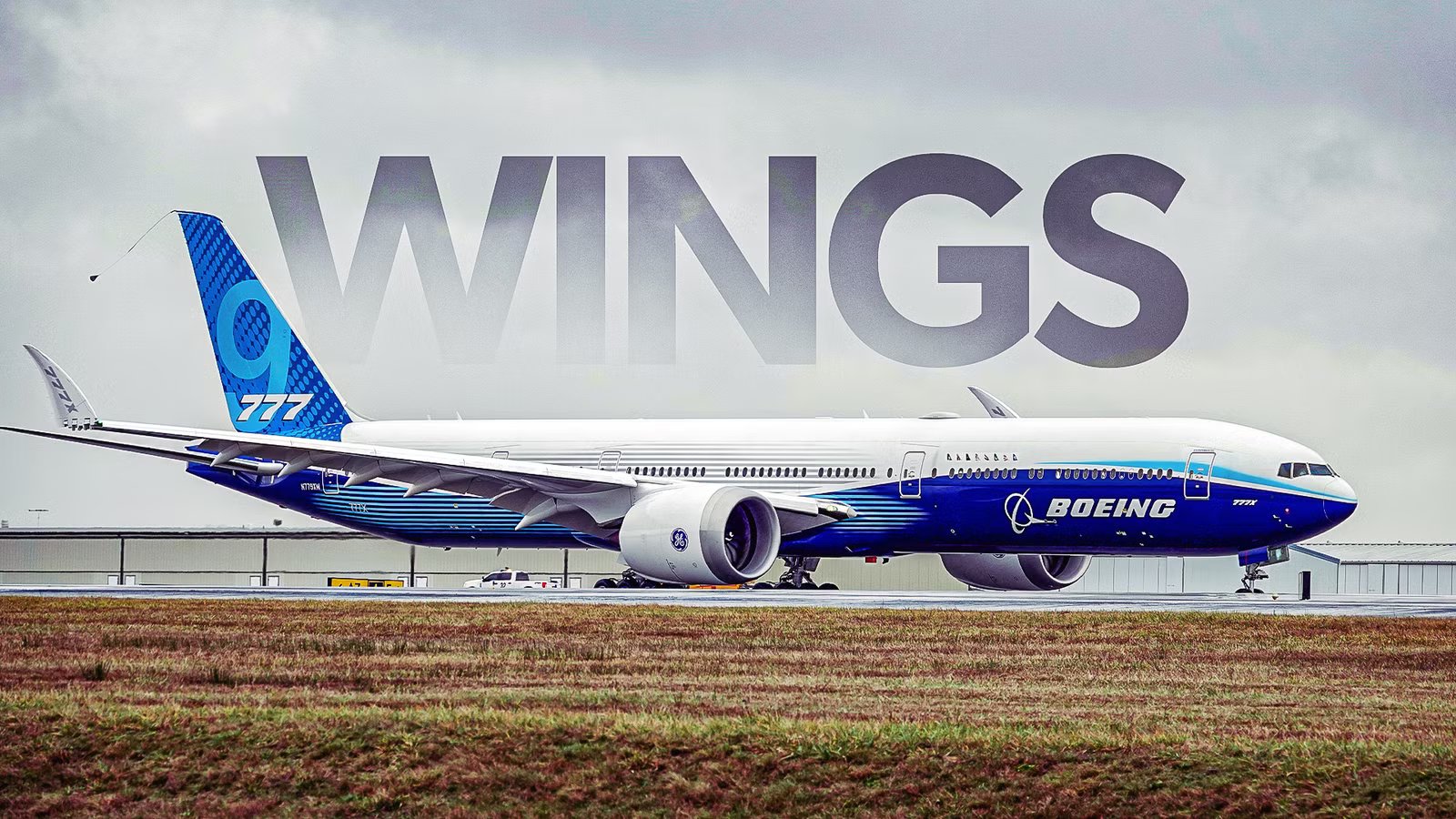
A well-known example is the Boeing 777. Unlike smaller widebody aircraft, the 777 uses a six-wheel main landing gear truck on each side of the aircraft. This configuration helps support the aircraft’s high maximum takeoff weight, particularly on larger variants like the Boeing 777-300ER. Even with only two main landing gear assemblies, the six-wheel bogies allow the aircraft to distribute its weight effectively when operating from major international airports around the world.
Even larger aircraft require more complex landing gear systems. The Boeing 747 uses four main landing gear assemblies, giving the aircraft a total of 16 main landing gear wheels plus two on the nose gear. Meanwhile, the Airbus A380 goes even further, with a total of 20 wheels across its landing gear. These additional wheels allow the massive double-deck aircraft to spread its weight across a much larger surface area, ensuring the aircraft can safely operate on airport runways without exceeding pavement load limits.
These examples highlight how landing gear design scales with aircraft size and weight. As aircraft become larger and heavier, additional wheels are often the simplest and most effective engineering solution to maintain runway compatibility and operational safety.