dailynewsnblog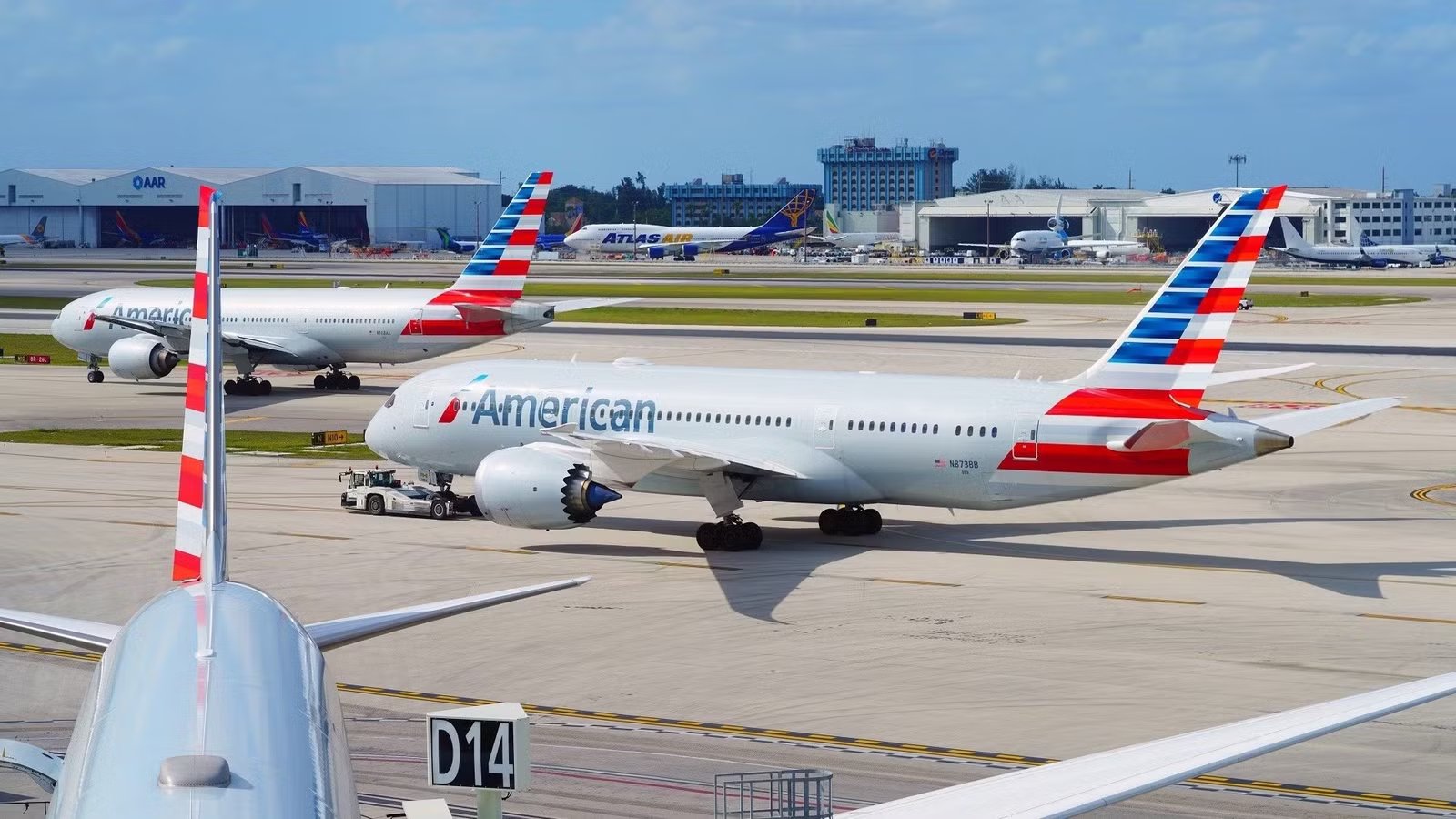
The Airbus A350 has long been identified as one of the widebody jets most likely to have an impact on airline fleet development for decades to come. The model, built in an industry-leading manner from unique composite materials, is capable of delivering a combination of range and capacity simply unmatched by any other model on the market today. It is with these factors in mind that most major international carriers have worked the Airbus A350 into their long-term fleet development plans.
American Airlines, however, has been a noteworthy exception. Let’s analyze the principal factors driving American’s decision not to operate the Airbus A350, stemming primarily from the fact that other aircraft meet the jet’s needs better. American Airlines had an Airbus A350 order in the past, but an interesting set of factors pushed the carrier to cancel this commitment. There are currently no plans to acquire A350 jets in the future, and the airline views its long-haul future exclusively in the hands of Boeing.
The A350’s Role In The Market

The Airbus A350 is the long-haul workhorse of choice for most major airlines, as it pairs an impressive range with lower trip and per-seat costs. An aircraft largely built from carbon-fiber composites and powered by a pair of Rolls-Royce Trent XWB engines, the aircraft burns significantly less fuel than most previous-generation widebody jets. This helps carriers hit their margin targets while also lowering emissions output with a relatively large aircraft.
The Airbus A350-900 serves long-and-thin routes while the larger Airbus A350-1000 targets large trunk markets in need of additional seats. This gives airlines a capable two-sized aircraft family that offers shared training and maintenance capabilities. The aircraft’s elevated level of passenger comfort through providing cabin pressurization and humidity improvement is a key catalyst supporting the aircraft’s generation of premium yields.
From a strategic perspective, the Airbus A350 slots between the Boeing 787 and the larger Boeing 777/777X family, allowing airlines to find a right-sized aircraft that suits their capacity needs at a particular moment in time. The aircraft also has an ultra-long range variant, one which is currently used exclusively by Singapore Airlines, that helps airlines link far-flung destinations which would have otherwise required stopovers.
The upcoming Airbus A350F extends the platform into the cargo market, helping replace older-generation freighters facing environmental restrictions. With sustainable aviation fuel compatibility and continued tweaks to its performance capabilities in the works, the A350 is a credible long-haul backbone that can be used by carriers to balance the needs of hub-to-hub and point-to-point missions. Lessors see the aircraft as an incredibly valuable asset for roughly the same reasons.
An A350 Order Inherited From US Airways

US Airways first committed to purchasing the Airbus A350 in 2005, penning an order for 20 aircraft in order to support an anticipated long-haul network expansion that would begin following its emergence from a restructuring process. Airbus redesigned the A350 program as the clean-sheet Airbus A350XWB, and US Airways actually elected to expand the deal to 22 Airbus A350 XWBs between 2007 and 2008. This included a Trent XWB engine selection with Rolls-Royce.
In 2013, American Airlines merged with US Airways, transferring the order to the newly united carrier, according to reports from Reuters. Initially, American Airlines planned the first deliveries of its A350 models between 2017 and 2018, with management electing twice to defer the schedule in order to manage capital spending and better preserve network flexibility with an international demand picture increasingly softening.
In July 2016, American Airlines pushed the Airbus A350 stream to late 2018 through 2022, with deferrals averaging 26 months. The airline was looking for capital expense relief of around $500 million in 2017, which grew to $700 million in 2018. Starting in April 2017, American Airlines began to move its first deliveries even further back to 2020, effectively turning this year-old commitment into essentially a perpetually unactivated option that the airline continued to avoid actually exercising.
During this period, American Airlines was introducing Boeing 787s into its fleet, as well as refreshing its legacy widebody jets. The Airbus A350 was still a credible pathway for the airline’s long-term fleet development, but it was becoming increasingly deprioritized.
Pulling The Plug In 2018

On April 6, 2018, American Airlines elected to terminate its order for 22 Airbus A350-900 jets, instead placing a new order for 47 Boeing 787s, including 22 787-8s, which arrived starting in 2020 and 25 787–9 models, which began arriving in 2023, according to Boeing. An additional 28 options were also secured by the carrier. This move was a calculated play taken by American Airlines to simplify its overall fleet strategy, including the shrinkage of the number of widebody types that American would be operating.
The carrier quickly moved to retire the Boeing 767-300, the Airbus A330-300, and the aging Boeing 777-200ER, all in an attempt to simplify the carrier’s fleet and reduce operating costs. American Airlines’ management team highlighted the Boeing 787’s fuel-burning and maintenance advantages over the aircraft it was replacing, and that the aircraft’s range was an ideal fit for American’s network. From a financial perspective, this decision was already locked in as a replacement order.
This helped the airline to limit capital expenses, after several rounds of Airbus A350 deferrals shifted cash towards where it was needed most. The management team ultimately settled on the Dreamliner as the model that optimized operational and economic benefits while also establishing a growing Boeing 787 subfleet. This fleet standardization choice was, in our eyes, no technical indictment of the Airbus A350 as a model but rather a move that helped the airline better align its strategic and financial priorities.
What Is The Longer-Term Picture?

While American’s decision in 2018 to cancel its original purchase of the Airbus A350 was driven by the need to reprioritize medium-term cash flows, there were multiple long-term reasons why the decision was beneficial for the airline. For starters, the simplification of the airline’s fleet offered a number of benefits which management was keen to realize.
Specifically, operating fewer widebody jets allowed the airline to train employees on fewer different types of jets, keep fewer spare parts in store, and easily swap jets in its network. Expanding the airline’s Boeing 787 fleet also delivered a number of scale-based benefits, with a small A350 subfleet mostly being a large cost burden on the airline.
|
American Airlines Widebodies |
Number In Fleet (Per ch-aviation) |
|---|---|
|
Boeing 777-200ER |
47 |
|
Boeing 777-300ER |
20 |
|
Boeing 787-8 |
37 |
|
Boeing 787-9 |
33 |
A second factor that was important in this decision was not just short-term cash flow reallocation but also long-term balance sheet discipline. The 2016–2017 deferrals of these orders demonstrated the airline’s interest in lowering capital expenses, but in doing so, it also preserved the airline’s long-term financial flexibility. The decision to focus on just one manufacturer and retire older, expensive aircraft helped the airline rebalance its assets and liabilities.
Beyond this, the Boeing 787 is the ideal fit for American’s transpacific and transatlantic networks, where the vast majority of long-haul revenue is generated. The aircraft is liked by customers, and it provides the optimal combination of range and risk that American Airlines was looking for. Through this introduction, the carrier also avoided the risks associated with introducing a new type of aircraft to its increasingly complex fleet.
Could This Have Been A Mistake?

While the Airbus A350 would have been a weaker choice for American’s broader network expansion plans, there are some benefits which could have eventually been realized had American Airlines elected to push forward with A350 fleet development. The aircraft is the most efficient large widebody in service today, with the Boeing 777X still sitting at least a year away.
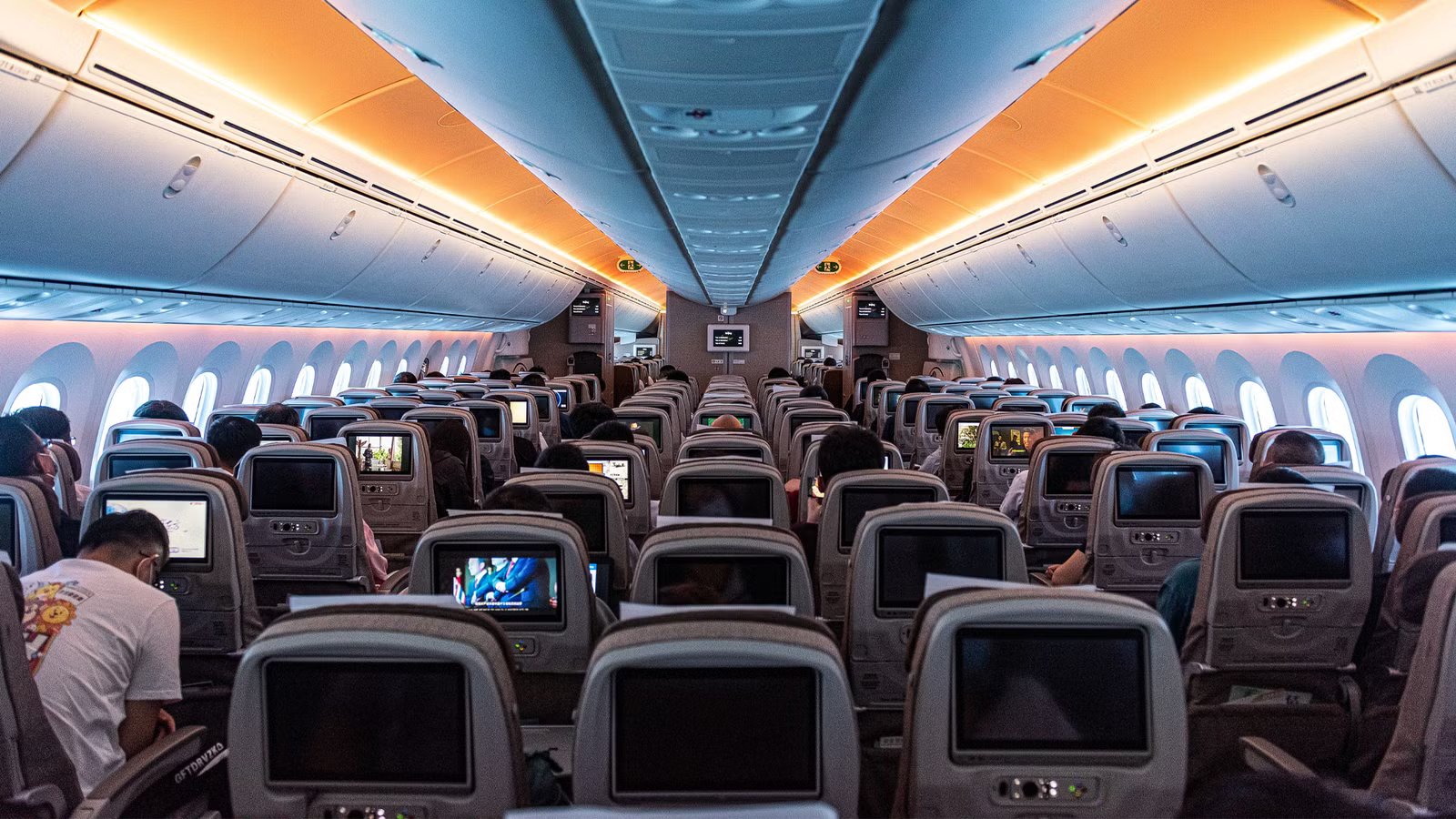
Its exceptional reputation for passenger comfort could have been very useful for American today. After all, the carrier is broadly lagging behind United and Delta in terms of premium network capacity and reputation for passenger comfort.
The jet itself is also exceptionally suited to certain kinds of high-density ultra-long-haul routes, which would be more effectively served by an A350 than the Boeing 787. This is noteworthy as the airline still lags behind its competitors in many ultra-long-haul markets.

Why Don’t Any US Airlines Operate The Airbus A350-1000?
The absence will not last much longer.
Could American Order The A350 In The Future?

Just because American Airlines canceled its A350 orders in the past does not mean it could not order the jet again in the future. However, this seems relatively unlikely. For starters, the Boeing 777X seems to be a far more natural replacement for the older-generation Boeing 777s already in the American Airlines fleet. The carrier also has a strong relationship with manufacturer Boeing, which it clearly is not thinking about changing.
Nonetheless, Boeing 777X certification delays continue to weigh on Boeing, proving a major challenge for operators to manage. If these delays persist, it could make an even stronger case for American choosing to place an order for the A350.