dailynewsnblog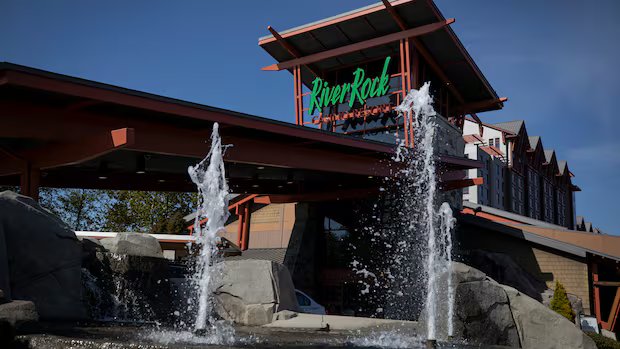

Listen to this article
Estimated 5 minutes
The audio version of this article is generated by AI-based technology. Mispronunciations can occur. We are working with our partners to continually review and improve the results.
Eight casinos across southwest B.C. have been sold to First Nations in the last two years, with the province’s gambling scene set to be reshaped as a result.
Both the CEO of a First Nations development arm and an academic say acquiring these businesses provides economic incentive at a time when nations still face barriers to generating wealth.
With casinos being seen as a consistent revenue-generator for decades, even with the rise of online gambling, the trend of casino acquisition comes as First Nations’ investment arms start to get involved in sectors from real estate to cannabis and beyond.
Yaatqumtun Ian Simpson, the CEO of the Snuneymuxw First Nation’s business arm Petroglyph Development Corporation, has overseen the nation’s acquisition of five of the eight casinos.
He said the nation’s first casino — Casino Nanaimo, located within its traditional territory on the central east coast of Vancouver Island — was something the nation wanted to acquire since the casino moved to its current location in the 1990s.
“We were looking as far as Alberta at some properties and, just very attracted to the stability … that these businesses have and their very strong cash flows that they produce,” Simpson said.
The First Nations involved in buying the casinos — Snuneymuxw, Semiahmoo, Tsleil-Waututh and the Ts’elxwéyeqw Tribe — have touted the businesses’ potential to advance economic self-determination.
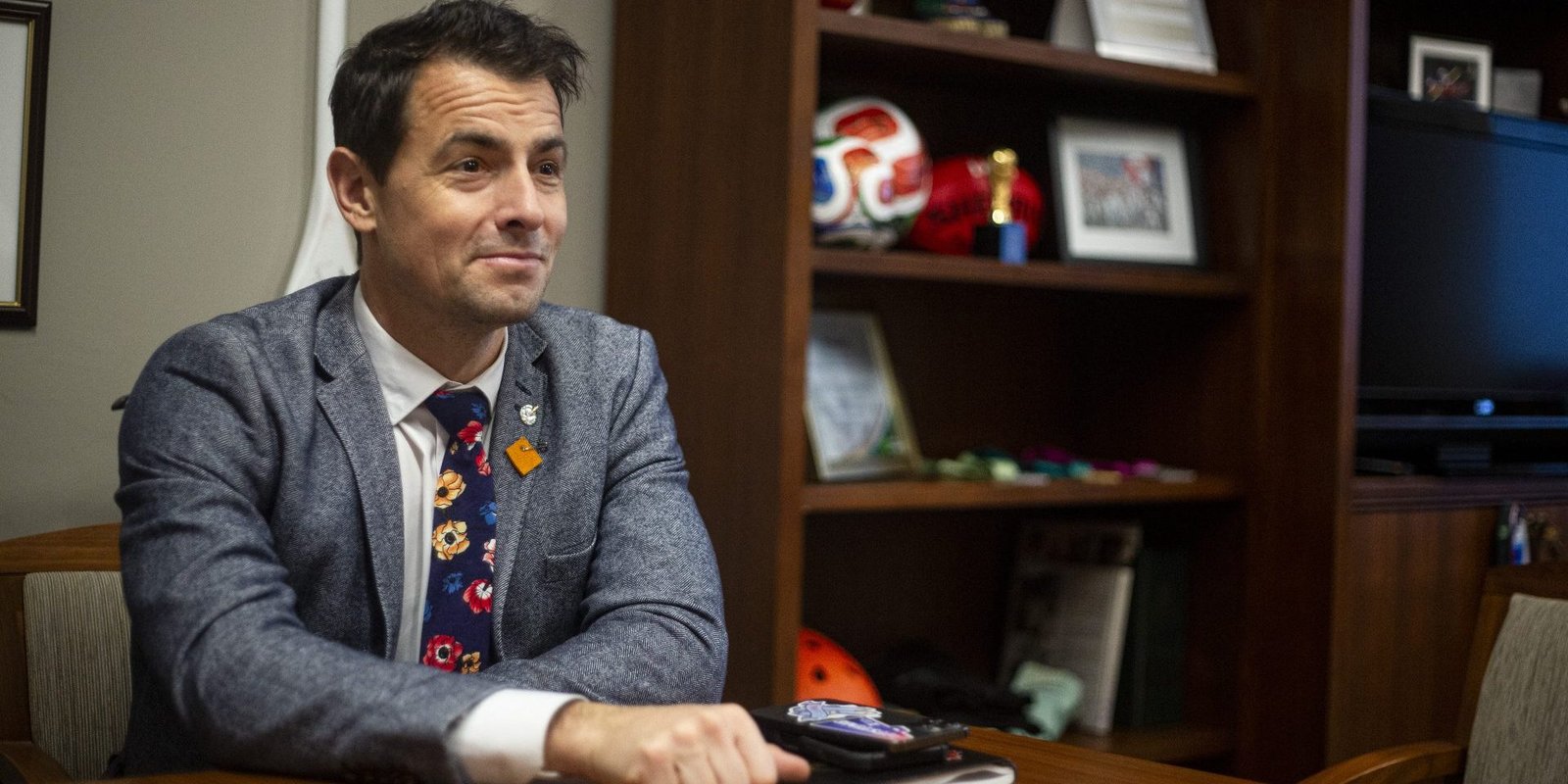
Yale Belanger, a political science professor at the University of Lethbridge who has extensively researched First Nations and gambling in Canada, said that Indigenous communities still face many restrictions when it comes to fostering economic development.
“The Indian Act still has an incredible level of influence over how a local community is able to develop,” he said.
“It involves the government getting involved, it drags out processes that can ultimately deter investors from sinking money into projects.”

He said provinces can still place restrictions on First Nations opening up casinos on reserves — but if the nations simply act as investors and buy existing casinos, they can sidestep that hurdle.
Simpson is bullish on the potential of the casino acquisitions, saying that First Nations entering the market in B.C. mean that funds generated in the province would be reinvested, create local employment and grow the tax base.
With First Nations buying the businesses, ownership would also shift from private equity groups based out of New York and London to local B.C. proprietorship, he said.

Several casinos in B.C. have been sold to First Nations in recent years. As the CBC’s Baneet Braich reports, it’s an investment that some say offers stability in uncertain times.
One company selling
One casino operator, Great Canadian Entertainment, has sold off the eight casinos purchased by First Nations over the last two years.
In September 2021, Great Canadian was purchased by Raptor Acquisition, which is managed by New York-based private equity firm Apollo Global Management.
It’s unclear why the company, which began life in B.C. operating charity casinos at the Pacific National Exhibition (PNE) in 1982, is selling off its casinos in the province.

A Great Canadian spokesperson declined an interview request from CBC News.
For its part, the B.C. Lottery Corporation says that it is committed to maintaining good relations with Indigenous peoples across the province, including the new service providers.
“While BCLC views the recent casino sales to First Nations in B.C. as a milestone for B.C.’s gambling industry, these sales are private business transactions between two companies, and those transactions do not involve BCLC,” a spokesperson wrote in a statement.
“However, BCLC plays a role in the transfer of ownership through robust due diligence processes.”
Casino revenue flattening
The large-scale entry of First Nations into B.C.’s casino industry comes at a time when the online gambling sector is growing.
It also comes as casino revenue flattens slightly in B.C., with the BCLC’s 2024-25 annual report noting that casino revenue — which makes up two-thirds of BCLC’s revenue overall — fell short of forecast for that fiscal year, even as online gambling revenues showed an increase.
“Casino and community gaming revenue was lower than the previous year, reflecting sustained economic pressures such as the high cost of living, rising unemployment, and global trade uncertainty,” the report reads.
Belanger said that online gambling demand will likely plateau over the next five or 10 years, which will give First Nation casino operators a greater sense of the revenues that they’ll be working with.
“Even with the issue of online gambling popping up, they may lose some foot traffic, they may lose some revenue over time — but when you measure these things out over decades, there’s a consistency there,” he said of casinos.