dailynewsnblog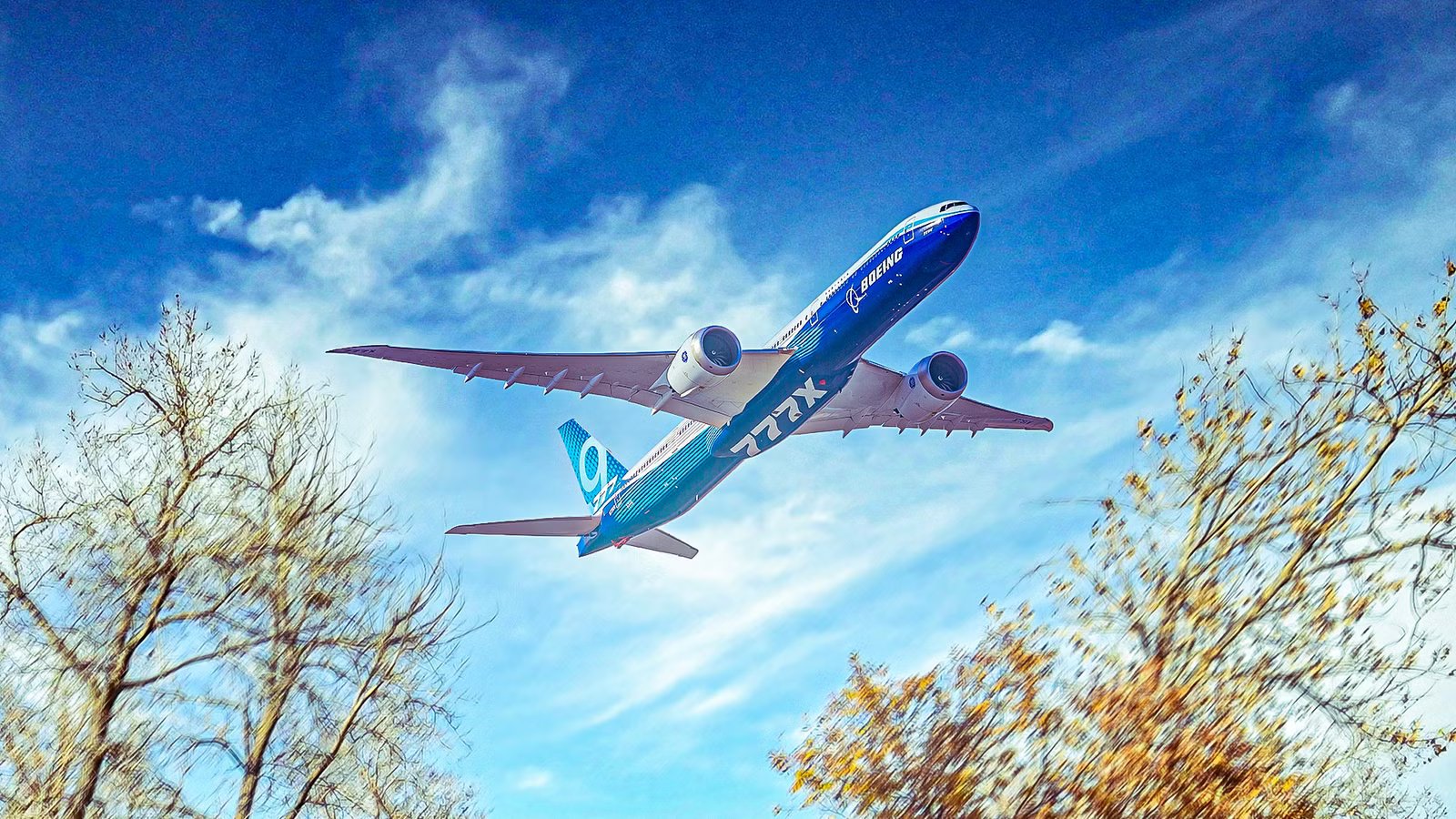
Boeing’s 777X is anticipated as a major departure from its predecessor with a leap in both cabin experience and operating efficiency. The interior design incorporates elements from the 787 Dreamliner, which have proven popular with passengers and airlines alike. The 777X’s style and comfort will be significantly more modern than the preceding 777, and an interesting element of that is the enlarged windows.
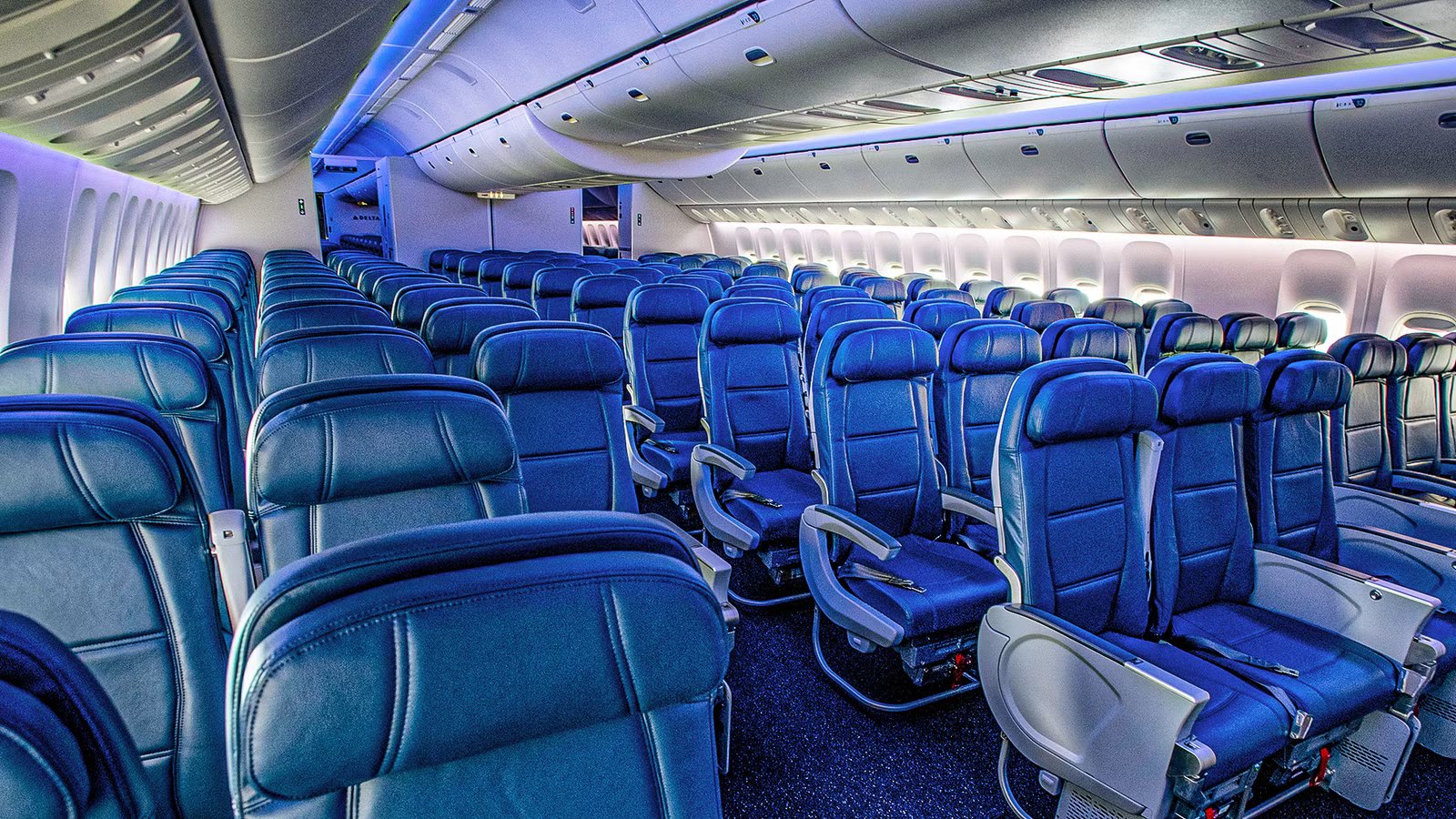
Its cabin configuration is meant to be more flexible, allowing airlines to adapt the design for their specific needs while providing a better travel experience in any layout. The design of the luggage bins and the ceiling will feature concave bins and a different arc in the ceiling, creating spaciousness and reducing the tubular space feeling.
Aircraft from succeeding generations rarely see changes to the structure of the fuselage, like the window sizes or shapes. Boeing worked with customers on the design of the 777X long before its announcement in 2013, going so far as to a 40-foot cabin mock-up. Boeing relied heavily on feedback from dozens of airlines when crafting the largest twinjet widebody that will have ever entered service.
The 777X’s Passenger Experience Upgrade

Boeing’s 777X passenger experience is reportedly focused on creating a comfortable, calming, and relaxing environment. The new flagship widebody offers larger windows, as well as improved air purification, and a modern interior design with flexible layouts. The 777X offers increased space and comfort, particularly in economy class, with larger windows positioned higher in the fuselage. The aircraft also features enhanced air filtration and higher humidity levels, resulting in a healthier inflight environment.
|
The Boeing 777X cabin highlights |
|---|
|
A cabin altitude of 6,000 feet – comparable to the 787 Dreamliner. |
|
Windows that are more than 15 percent larger than the competition and located higher on the fuselage, so they’re at eye level for a larger percentage of passengers. |
|
Increased ambient light made possible by the larger, newly positioned windows. |
|
All-new interior design that allows airlines to customize their cabin architecture by class. This innovation includes an adaptable suite of parts that facilitates choices in overhead ceiling and stow bin configurations, allowing airlines to create the feeling of separate and distinct cabins that meet both airline and passenger needs. |
|
A cabin that is 16 inches wider than the competition, allowing airlines a variety of economy class seat widths up to 18 inches wide. |
|
Higher cabin humidity, comparable to the 787 Dreamliner. |
|
Enhanced air filtration, incorporating the latest filtration technologies to increase passengers’ well-being. |
|
Next-generation LED lighting further enhances the passenger experience throughout the flight and provides airlines more branding opportunities. |
|
Lower cabin noise, achieved through the new engine nacelle design, new high-bypass ratio engines, better insulation, and a passenger cabin that doubles the number of air nozzles with lower velocity and less noise. |
The new GE9X engines are not only fuel-efficient and immensely powerful, but also help make a quieter cabin. Boeing’s modular cabin architecture allows airlines to customize the interior layout to their specific cabin style and brand identity. The modern interior design, inspired by the 787, features seamless surfaces and dynamic lighting.
The 777X cabin is pressurized to a lower altitude with higher humidity, reducing altitude fatigue effects and improving passenger comfort. The aircraft is designed with ‘smooth ride technology’ that will reportedly minimize turbulence and provide a more comfortable flight. The overall design philosophy puts forward passenger well-being as the core concept.
Big Windows For A New Experience

The 777X offers a larger, more spacious cabin along with the new windows, providing better views, more natural light, and a greater sense of spaciousness. The windows measure 162 square inches, 29% larger than the Airbus A350-1000 and 16% larger than the legacy Boeing 777. They are also installed higher on the fuselage, allowing middle-seat passengers to have a view over the rows in between. Bob Feldmann, the 777X Program’s Vice President and General Manager, stated at the 2015 Farnborough Airshow:
“Boeing has always been committed to exploration and research that leads to the right innovations needed to deliver a superior passenger experience. That commitment has established Boeing as the industry leader in interiors and will extend to the 777X. We’re already getting very positive feedback from our customers about the 777X’s design concepts, and we think passengers’ preference for the 777-300ER and 787 will continue with the 777X.”
The wider cabin is achieved by thinner sidewalls to create a less claustrophobic environment and generally for a comfortable space. Additionally, the 777X has an upgraded LED lighting system that will allow airlines to customize the cabin ambiance with various color combinations. These features, along with the windows and quieter engines, are expected to make the 777X a much more comfortable and enjoyable aircraft for passengers.
State-Of-The-Art Flying For Everyone

Numerous enhancements to the passenger experience are anticipated with the Boeing 777X. The wider and taller windows will play a role, but so will optional electronic dimming that will allow flyers to customize the brightness to their comfort level while still enjoying the view. Gentex Corporation makes the windows and is the industry leader in dimmable aircraft windows. Steve Downing, Gentex president and chief executive officer, said in a 2019 press release:
“We’re proud to be a continued partner with Boeing as we look to expand and improve our dimmable glass product offerings. With careful design and collaboration with Boeing, our teams have developed a robust EDW system that easily integrates to the airframe for optimal control, aesthetics, performance, and reliability.”
Gentex windows provide ultra-black low-end transmission, a thin-film coating to block damaging infrared and ultraviolet light, and a high-speed transition between clear and dark. They are also claimed to be less expensive to operate and maintain than conventional window shades. Conductive coatings and glass panels are paired with a patented electrochromic gel to darken or lighten in response to electricity.
The 777X program will be the first to use Gentex’s latest EDW technology, which can dim windows twice as fast as previous windows and block 99.999% of visible light. The 777X system will have centralized control, meaning flight attendants won’t have to reach over passengers to open or close the blinds to change cabin lighting for day or nighttime flights.
By The Numbers: 777X Specifications

Kent Craver, Boeing’s Regional Director for Cabin Experience & Revenue Analysis, said in a 2019 FlightGlobal story that the 777X cabin borrows many of the passenger favorites introduced on the 787 Dreamliner cabin. The earlier 777 was already well-loved, but the Dreamliner raised expectations, and airlines told Boeing they wanted the same leap forward on the new variant. Leeham News reported that, at a February 2025 Barclays event, Kelly Ortberg, Boeing’s CEO, provided the following update:
“We’re going through the flight test program, and we’re planning to get the certification done towards the end of this year or early next year so we can start the delivery. The challenge is we’ve got to get through the certification here on the Dash 9 to start delivering these things to our customers.”
|
Specifications |
777-8 |
777-9 |
|---|---|---|
|
Seats (Typical 2-class) |
395 |
426 |
|
Range |
8,745 NM (16,190 km) |
7,285 NM (13,500 km) |
|
Length |
232 feet, 6 inches (70.86 m) |
251 feet, 9 inches (76.72 m) |
|
Wingspan |
On ground: 212 feet, 9 inches (64.85 m) Extended: 235 feet, 5 in (71.75 m) |
(same as 777-8) |
|
Configuration |
Twin-aisle (widebody) |
(same as 777-8) |
|
Engine |
GE9X, supplied by GE Aviation |
(same as 777-8) |
The 777X will contrast sharply with the 777 that entered service almost 25 years ago. Overhead storage and the ceiling have been redesigned with concave bins and a reshaped ceiling arc to create a roomier feeling and break up the conventional tube-like sensation of the cabin space. The interior’s modular architecture will allow carriers to tailor premium and economy cabins more easily than on today’s 777 and respond to changing demand, making airline capacity more flexible.

Delayed Again: Boeing 777X Delivery Timeline Pushes Back To 2027
The long-awaited next-gen widebody will wait even longer to debut.
The Future Of Flying Through Collaborative Design

Boeing’s research showed that passengers strongly prefer seeing the horizon, which prompted the unusual redesign of the mostly metal fuselage to accommodate the new windows. The result is a view that eclipses its predecessor in every regard, even granting a view from the center seats. Dennis Eng, Director of 777X Interiors, also remarked on the company’s first public release regarding the new cabin at Farnborough:
“With key development ahead, the 777X will incorporate state-of-the art interior design and technologies. The 777X will redefine the total passenger experience. All of the interior features we are exploring and designing into the new airplane are working together as a package to create an exciting new passenger experience.”
Feedback from the airlines pushed Boeing to accelerate several cabin concepts that had been under previous development. When engineers presented the revised ideas after incorporating changes, the carriers were enthusiastic. Among the most notable was the introduction of layered lighting sources that enhance the sense of space and let crews program a distinct ambience for each phase of flight.