dailynewsnblog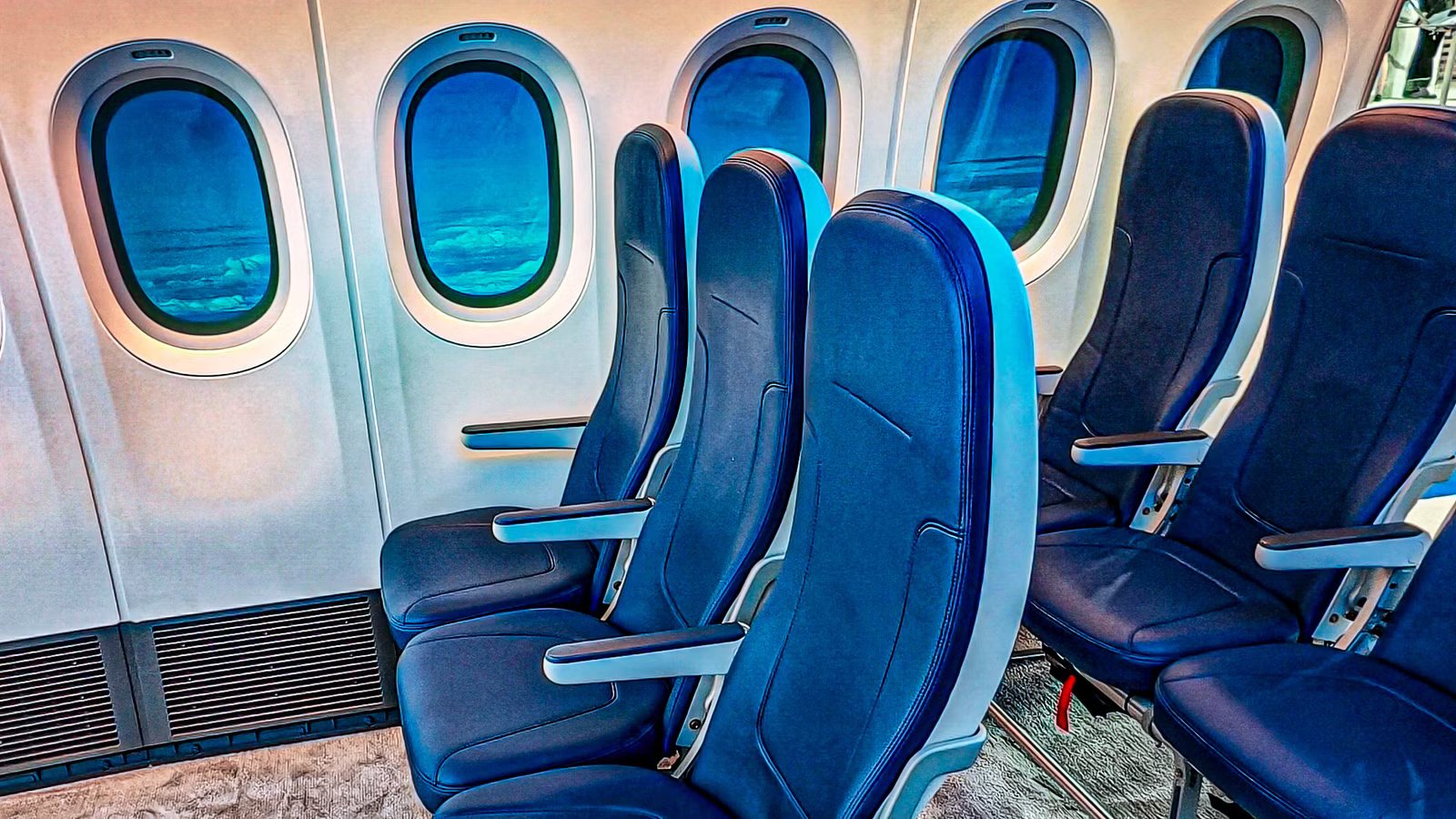
For the seasoned traveler, the Boeing 787 Dreamliner is increasingly becoming a long-haul aircraft of choice. On this unique aircraft, Boeing has introduced a few design features that are extremely specific to that aircraft type. Instead of pulling down a plastic shade, passengers will press a button, and the window will slowly begin to tint from clear to dark. On the 777X, the manufacturer is bringing this same idea forward into its next-generation high-capacity widebody flagship, with electronically dimmable windows supplied by Gentex, mostly because it aligns with what airlines want from a long-haul cabin in the modern era. Passengers want smoother light control, fewer mechanical parts, and a more premium, curated passenger experience.
At its simplest level, the dimmable windows on the aircraft replace more traditional shades, letting passengers reduce overall glare while still keeping an outside view. The 777X’s pitch goes beyond convenience, as Gentex has argued that its latest electronically dimmable windows can block out more than 99.999% of visible light and transition even faster than earlier systems. These were all capabilities that mattered on ultra-long flights when cabin lighting is managed around sleep, meal services, and time zones. There is also an operational angle: centralized control enables the crew to set consistent day and night lighting across the aircraft’s cabin, and eliminating hundreds of moving window shades can reduce wear items that break, rattle, or need cleaning and replacement.
A Long-Haul Jet With Impressive Capabilities & Unique Design Priorities

The 787 was built around two priorities that, at the same time, were increasingly linked. The airline focused on step-change efficiency for airlines and a noticeably better long-haul experience for passengers. Boeing leaned heavily on advanced aerodynamics and extensive composite structures to cut weight and improve overall fuel burn, aiming to make ultra-long routes economically viable and give airlines more flexibility when right-sizing capacity. The airline’s decision to brand this jet the Dreamliner was not accidental; it was a key part of its commercial philosophy.
Boeing had planned to treat this aircraft’s cabin as a selling point, not an afterthought. The era of legacy carriers focusing on premium travel and long-haul comfort was only just beginning, making the aircraft’s cabin a key piece of why Boeing believed it would sell well over the next decade. The Boeing 787 was designed to feel more open and less fatiguing. The aircraft has larger windows, a quieter ride, and a modern lighting environment that airlines could tailor to their onboard service. Many major carriers have rolled with this, creating exceptionally comfortable cabins.
The aircraft was built with a lower typical cabin altitude of around 6,000 feet (1,830 meters) and higher humidity than many older widebodies, both intended to help travelers arrive feeling less dried out and worn down after long sectors. In other words, the Boeing 787’s business case was not just about cost per seat-mile, but also about airlines being able to market a more comfortable product while benefiting from major efficiency gains. This was an increasingly important differentiator as cabins became a battleground for continued brand loyalty.
Why Introduce Dimmable Windows?

The 787 was undeniably designed to keep passenger comfort and operational efficiency as key pieces of its overall design philosophy. On the 787,  Boeing replaced traditional pull-down shades with electrochromic windows that passengers can tint at the simple touch of a button. This was an industry first for a commercial jet-powered airliner at the time. The larger idea is control without losing the overall view. This design was specifically made to ensure airlines spent less time cleaning windows and to create a “wow” factor for customers interested in the plane’s high-tech capabilities.
The idea behind these windows is that passengers can cut glare and bright sunlight while still looking outside, which helps the cabin feel less closed in than a shade-down environment. It also supports more deliberate cabin lighting scenes during long flights, which pair naturally with the 787’s LED mood lighting. This allows crews to carefully manage rest and meal periods without the constant up and down shuffle of thousands of manual shades.
There is an operational angle to this story too, with the carrier removing parts that can reduce breakage, rattles, and maintenance touchpoints across the fleet, while giving the crew more consistent control when coordinating a darkened cabin. Boeing later extended the concept to the 777X with newer-generation Gentex dimmable windows that darken faster and can block an extremely high share of the visible light spectrum.

The Aircraft Set To Replace The Iconic Boeing 777-200ER
The 777-200ER’s legacy lives on through its high-tech successors.
Why Is Customer Experience So Important On The Boeing 777X?

The 777X is Boeing’s attempt to make the large-capacity twin-engine concept feel as modern inside as possible. Instead of treating the cabin as a fixed shell, Boeing has decided to build an all-new interior architecture that airlines can customize by cabin class, with different ceiling lines, stowage layouts, and lighting scenes, all so that the same airplane can look and feel meaningfully different across operators. The headline passenger benefit will undoubtedly be space.
The 777X cabin will be around 16 inches (40.6 centimeters) wider than that of competitor jets, enabling economy seat widths of up to 18 inches (45.7 centimeters). This will also offer a more open feel in every row. Bigger, higher-set windows (which are at times more than 15% larger according to Boeing) are meant to increase ambient light and preserve an outside view even from many non-window seats. From a long-haul comfort perspective, Boeing is targeting a 6,000-foot (1,830-meter) cabin altitude, improved overall humidity, enhanced filtration, and a quieter cabin environment.
The manufacturer will also be adding immersive LED lighting, larger overhead bins, and smooth ride technologies to reduce the perception of turbulence. The 777X’s message has become clear that the plane is not just a stretched 777, but rather a cabin-forward redesign meant to help airlines sell a premium experience on ultra-long missions. This wellness-and-branding focus is ultimately central to the aircraft’s overall marketing pitch.
Why Are Windows On The Boeing 777X Dimmable?

Boeing’s choice to offer dimmable windows on the 777X is basically a bet that light control is now part of the premium product, not a minor cabin detail. The company had already introduced electronically dimmable windows on the Boeing 787 as a shade replacement, a move that allowed travelers to tint the glass with a button instead of pulling down plastic screens.
For the 777X, Boeing selected Gentex’s newer-generation electronically dimmable window (EDW) technology, which Gentex says can eliminate more than 99.999% of overall visible light and darken about twice as fast as earlier systems, and it is aimed at addressing a common gripe that early dimmable windows were not always dark enough for sleep, according to company documents. Passenger-wide, the overall appeal is simple, as one will want to cut glare and harsh sunlight while still maintaining an outside view.
This makes having multiple tint levels rather than an all-or-nothing share exceptionally valuable. From an operational perspective, Gentex says the 777X system is designed for centralized control, allowing crews to set consistent day and night lighting scenarios across the cabin without reaching over passengers to open or close shades. With fewer moving parts, EDWs can also reduce breakage and maintenance touchpoints, and Gentex markets them as a sunlight-and-heat control solution that can lessen dependence on air conditioning in bright conditions.

The Boeing 777X’s Folding Wings: How It Works
The Boeing 777X’s innovative design feature has captured global attention. But how do these folding wings actually work?
What Do Passengers Think About These Dimmable Windows?

Passenger opinion on dimmable aircraft windows is extremely polarized, especially regarding the electronic share-style windows on the 787s in service today. While many passengers love the idea, some do not. The gradual tinting certainly does feel more premium than snapping up a plastic shade. Early customer feedback and surveys indicated that passengers were happy with the feature.
The gripes with these windows, however, have become reasonably consistent. Even at maximum tint, passengers often say that the window never really gets as dark as physical shades, so direct sun can still feel bright and warm. Another flashpoint is control, with crews often locking tint levels, leaving window-seat passengers frustrated enough that airlines have issued guidance telling flight attendants not to lock the feature.
The transition to darkness for these shades can also take a very long time, something passengers are not necessarily in love with. This mixed reputation is exactly why the 777X product leans on Gentex’s improved product. It offers faster transitions and an ultra-dark mode that blocks an extremely high share of the visible light spectrum.
What Is Our Bottom Line?

At the end of the day, the 777X offers exceptional long-haul capabilities, and it is poised to serve as a global flagship for the 2030s. The legacy carriers interested in the type want to use it to develop some of the most advanced premium cabins ever brought to the market.
Therefore, the addition of these dimmable cabins makes the Boeing 777X seem like a natural modern evolution to the manufacturer’s line of flagship widebody jets. However, it will still likely be a while before you can ever see these dimmable windows yourself. The aircraft simply cannot be separated from its extensive certification delays.
Regulators have yet to indicate any interest in rushing to certify the jet, a likely consequence of Boeing’s problematic record for safety over the past few years. As a result, customers and operators will simply have to be patient while we wait for this impressive long-haul behemoth to enter the market.