dailynewsnblog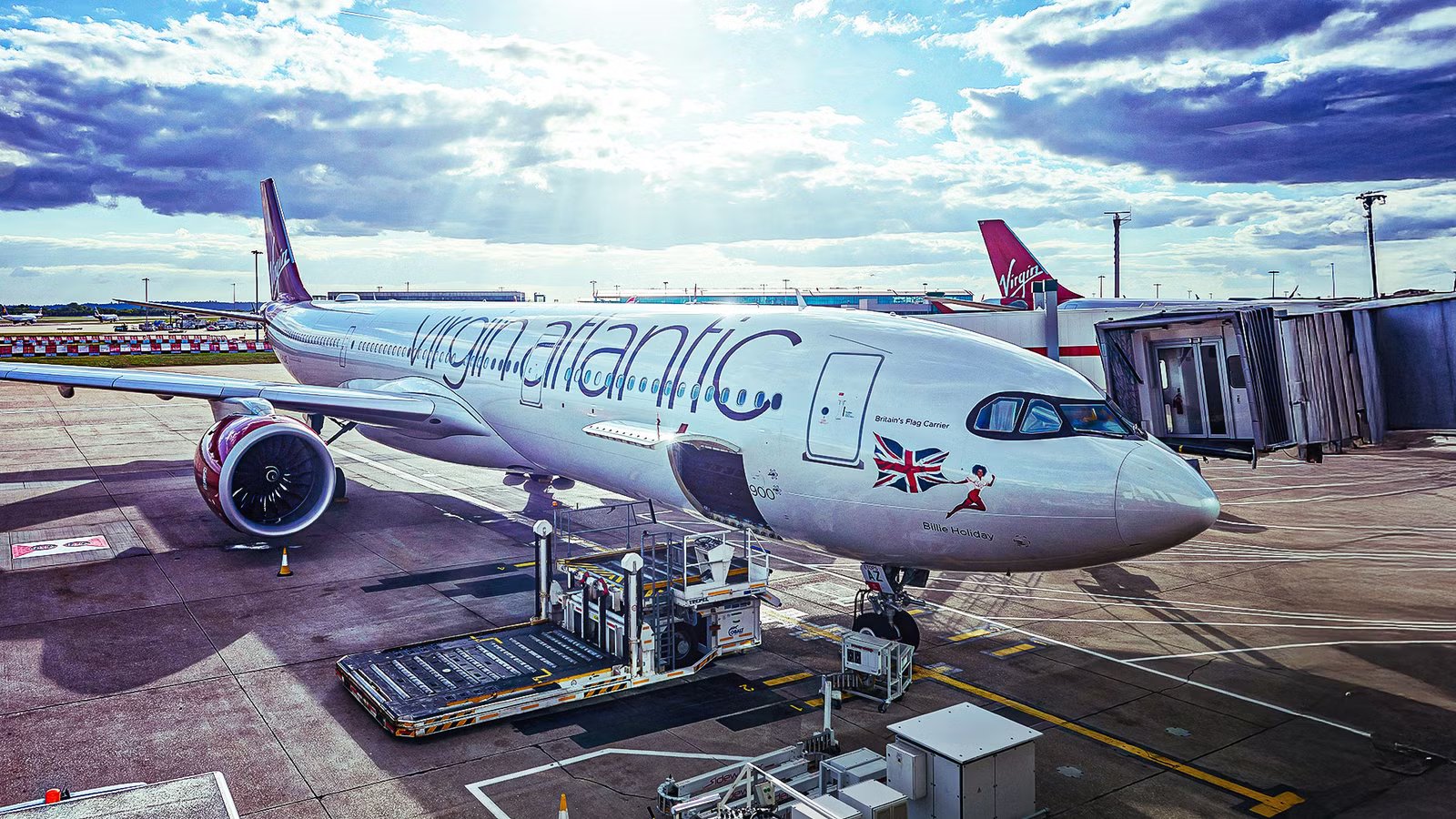
For many years now, London Heathrow (LHR) has been the largest and busiest airport in the United Kingdom, as well as one of the leading international hubs in Europe. However, with only two runways at its disposal, aircraft movements (and, therefore, passenger traffic) have to be capped at certain levels, leading to intense competition for slots at the West London hub. In order to alleviate this pressure, a third runway has been proposed.
This expansion will see a new landing strip built to the northwest of the existing airfield as part of a wider growth plan that has been established in order to facilitate sustainable growth. However, such infrastructure projects, and particularly ones that involve re-routing major motorways, do not come cheap and, now, two of the airport’s largest airlines have taken aim at the growth plans and, more specifically, Heathrow’s funding model.
Heathrow’s Top Carriers Don’t Want To Bankroll Its Expansion

According to The Telegraph, British Airways and Virgin Atlantic are advocating for a rework of the regulatory and financial framework that governs present operations at London Heathrow Airport. Present scheduling data made available by Cirium, an aviation analytics company, shows that the pair are Heathrow’s two largest carriers by flights operated, having respectively scheduled grand totals of 8,996 and 850 departures in February 2026.
The airlines argue that Heathrow is an expensive hub to serve in terms of the various charges levied against its carriers, and, with BA and Virgin being its largest operators, they are concerned about effectively bankrolling the project at the benefit of their rivals. With this in mind, they don’t believe the expansion can take place without a reform of the hub’s funding model, with ex-Virgin CEO Shai Weiss saying:
“Despite having the highest passenger charges in the world, Heathrow is failing consumers, airlines and the UK economy, with ageing facilities and a declining customer experience.”
The Airport’s Increasingly Busy Nature Highlights The Need For Growth

BA and Virgin have historically been fierce rivals, with their sudden cooperation underlining the serious nature of the issue at hand. Such is the extent of Heathrow’s fees that, according to The Telegraph, the pair’s passengers reportedly paid £1.1 billion more ($1.5 billion) than would have been the case at other major European hubs. This has led to criticism, with IAG CEO Luis Gallego saying that Heathrow’s “experience does not match the cost” for guests.
This sentiment has been of particular relevance in recent years and months as the airport continues to record its highest-ever passenger numbers. Some feel that the busy nature of the airport is unfit for its premium price tag (with its high charges often being passed onto guests in the form of increased ticket prices). However, Thomas Woldbye, who serves as Heathrow’s CEO, has denied that his airport has become overly crowded and congested.
Indeed, according to The Independent, he recently told reporters that the airport only feels busy due to “people being in the wrong place.” He specifically notes that “British people choose the left and Europeans keep to the right, so everybody [crashes] into each other,” with this, rather than high passenger numbers, apparently being the cause of the congestion. Elsewhere, Bloomberg reports that Woldbye himself remains skeptical about the new runway.

The Crown Slips: Why London Heathrow Won’t Be Europe’s Busiest Airport In 2026
London Heathrow’s reign as Europe’s busiest airport is ending in 2026 as Istanbul’s rapid growth and superior capacity push it to the top.
Better News Elsewhere For Heathrow

Despite the multifaceted skepticism that has emerged concerning its proposed third runway in recent days, February hasn’t been all bad for London Heathrow Airport. Indeed, the facility reported on Wednesday that it had just experienced its busiest January ever, with 6.5 million passengers passing through its doors last month. This represented a 2% year-on-year increase, with 125,000 tonnes of cargo also being handled last month.
Then, earlier today, London Heathrow Airport shared news of important sustainability progress with the world, in the form of its decision to set a 5.6% target when it comes to the uplift of Sustainable Aviation Fuel (SAF) in 2026. This is 2% higher than the levels currently mandated in the UK, with £80 million ($108.8 million) having been made available as part of an incentive scheme “to bridge the cost gap between traditional kerosene and SAF.”