dailynewsnblog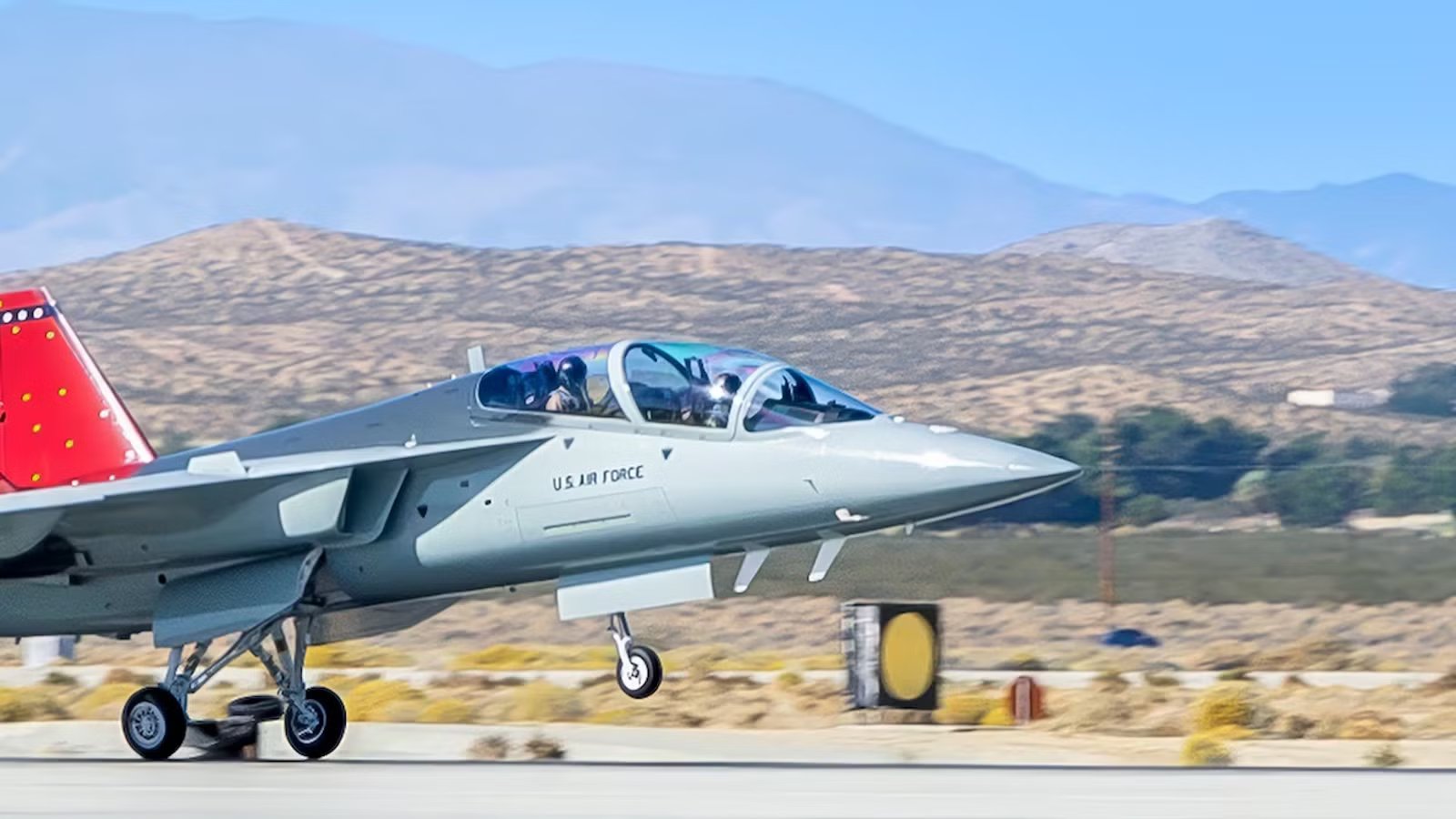
The  Boeing T-7A Red Hawk was supposed to modernize United States Air Force pilot training with a digitally designed jet and a training ecosystem built for fifth-generation warfare. Instead, the program has become a major headache for the manufacturer, with schedule slips, technical rework, and mounting scrutiny all pressuring costs above what analysts had estimated. The aircraft has taken far longer than expected to reach full-rate production.
This tension is sharpened by a milestone the Air Force is not capable of dodging, which is replacing the 1960s-era T-36 trainer. The contractor Boeing, however, is stuck absorbing losses under a fixed-price development deal. Even as the first aircraft entered service at Joint Base San Antonio-Randolph in December, questions around timing, readiness, and accountability have only continued to grow louder and stronger.
What Makes This Program Such A Headache For Boeing?

This $2 billion headache starts with the incentives for the program in the first place. The Air Force awarded T-7A development under a roughly $9.2 billion fixed-price contract, and Boeing has recorded more than $2 billion in losses as engineering, redesign, and early-production costs ran significantly higher than what analysts had expected. Those overruns would be less controversial if the schedule were clean, but developmental testing has been stretched by technical discoveries.
This includes ejection-seat redesign work and the slow burn of software and training-system integration. Now the Air Force is reviewing cost structure and sustainment readiness ahead of the Milestone C decision that is set to unlock full-rate production, all while keeping the pilot program’s aircraft throughput from slipping, according to Defense Blog. This is putting pressure on Boeing to ensure stable manufacturing, believable logistics, and data packages that let government depots sustain the aircraft without perpetual contractor dependence.
What Exactly Is The T-7 Red Hawk?

At its core, the T-7A Red Hawk is the United States Air Force’s next-generation advanced trainer meant to replace the six-decade-old T-38 and better mirror the cognitive workload of modern fighter and bomber aircraft. The aircraft has been described by industry analysts as a purpose-built, software-driven open platform that can be updated over time rather than frozen in 1960s-era hardware.
The jet’s fly-by-wire design allows instructors to tailor performance across different kinds of missions. Young pilots can be trained with tight limits, while the training envelope can be expanded later as students continue to progress. Just as important, the aircraft is intended to operate as part of a broader training system that includes a ground-based training system, live-virtual-constructive scenarios that link simulators with flying sorties, and cockpits that teach pilots how to manage sensors and other kinds of information input from day one.
The aircraft was named for the Tuskegee Airmen, the legendary set of African American pilots from the Second World War. The aircraft primarily serves to close the gap between basic training and fifth-generation warfare. The first T-7A arrived at Joint Base San Antonio-Randolph in December, and it is set to join the 99th Flying Training Squadron.

US Air Force Delays T-7A Red Hawk Trainer Production Decision To 2026
Efforts are being made to get the T-7A to Initial Operating Capability on-time.
What Are Boeing’s Next Steps With This Program?

Boeing’s near-term task is to make the Milestone C conversion boring, proving that the T-7A is, beyond a doubt, ready to scale. This means closing the remaining technical items that have driven schedule shifts, most notably ejection-seat redesign work, and demonstrating that software, simulators, and the integrated training environment are stable enough to support operational training missions.
In parallel, Boeing has begun to show the program’s maturity, which includes repeatable build quality, predictable supplier flow, and credible unit-cost performance once the initial $2 billion in losses were absorbed by the company. The Air Force wants organic depot capability, so Boeing will need to deliver technical data, tooling, and support concepts that let government maintainers own the jet long-term.
Lastly, Boeing’s messaging matters, with transparent progress, realistic timelines, and tight coordination with program partners continuing to be critical as the first aircraft begins shaping a new training pipeline at Randolph. Flight testing continues, with sustainment planning evolving as the Air Force scrutinizes cost controls before full-rate production continues.