dailynewsnblog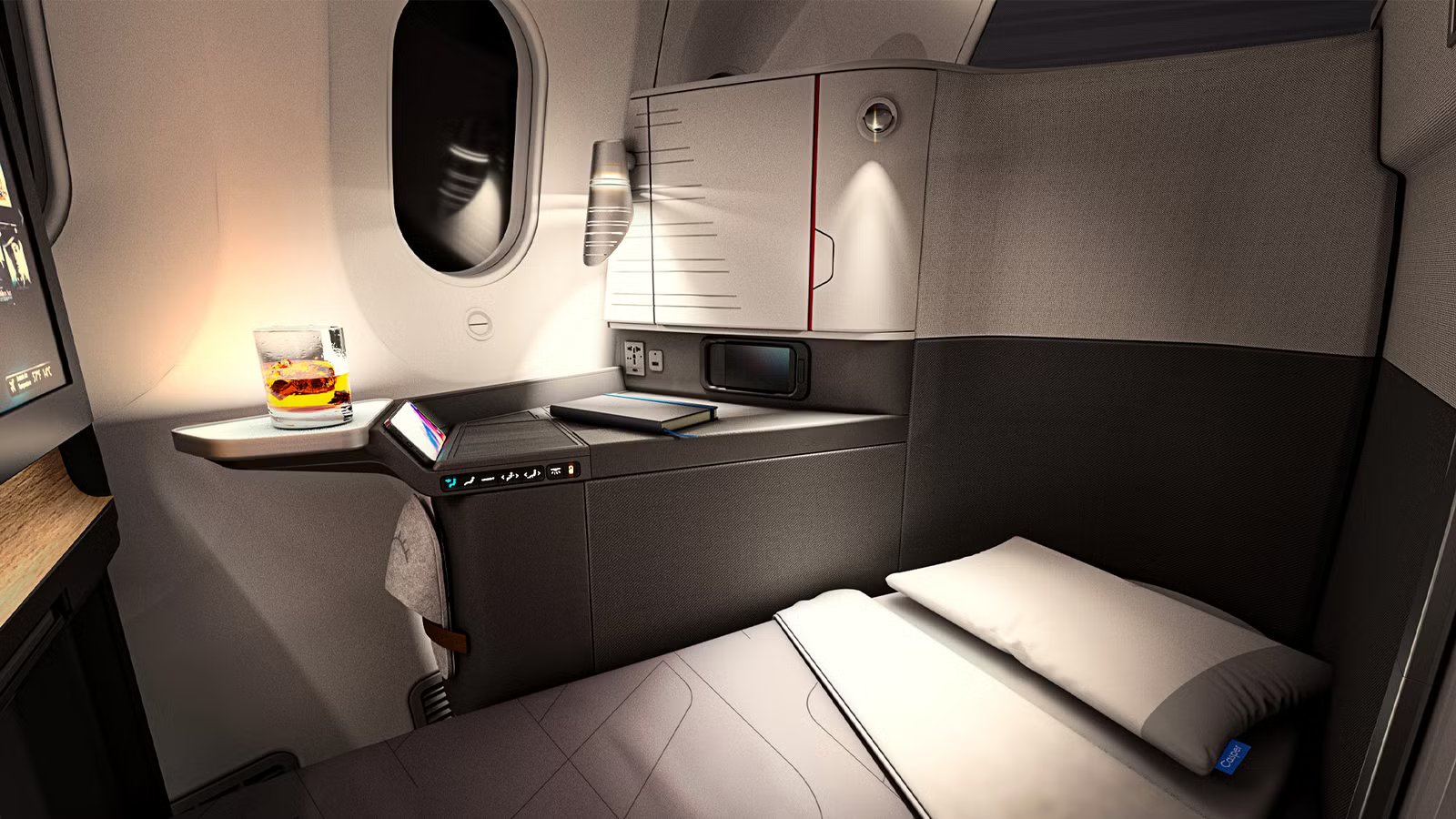
For years, the major US carriers have been locked in a quiet but intense competition over premium travel. Business class suites, upgraded lounges, and expanded premium economy cabins have become central to how airlines differentiate themselves on long-haul routes. Now, American Airlines is accelerating its own transformation, investing heavily in new cabin products across both widebody and long-range narrowbody aircraft.
From premium-heavy Boeing 787-9 Dreamliners to retrofitted Boeing 777s and the arrival of the Airbus A321XLR, the airline is reshaping its fleet around higher-yield seating rather than maximum capacity. The strategy reflects how premium passengers drive profitability. As new aircraft enter service and older jets receive redesigned interiors, American appears determined to reposition itself as a stronger competitor in the premium long-haul market.
About American Airlines’ Premium Pivot

 American Airlines is in the middle of one of the most significant product transformations in its recent history. After years of operating multiple generations of business class seats across its widebody fleet, the airline is now standardizing on a more modern, privacy-focused design while simultaneously increasing the number of premium seats on its long-haul aircraft. Rather than adding more economy capacity, American is clearly prioritizing higher-yield cabins as it reshapes its international strategy.
The shift reflects a broader industry reality. Premium cabins generate a disproportionate share of long-haul revenue, particularly on competitive transatlantic and transpacific routes. Corporate travel may not have fully returned to pre-pandemic levels, but premium leisure demand has surged, and airlines have responded by configuring aircraft to emphasize business and premium economy seating. American has publicly committed to growing its premium seating by more than 45% across its long-haul fleet by the middle of the decade, signaling a long-term strategic repositioning rather than a short-term refresh.
This pivot is not limited to new aircraft deliveries. The airline is retrofitting existing Boeing 777 and 787 aircraft with updated interiors while introducing new premium-heavy configurations on recently delivered Boeing 787-9 Dreamliners. At the same time, the arrival of the Airbus A321XLR introduces lie-flat Flagship Suite seating to a narrowbody platform capable of long-haul flying. Taken together, these moves suggest American is doubling down on premium comfort as a central pillar of its competitive strategy rather than relying solely on network scale or frequency to drive growth.
The New Flagship Suite Business Class

At the center of American’s premium strategy is its new Flagship Suite business class product. Designed with privacy and personalization in mind, the seats feature sliding doors, expanded storage, wireless charging, and a chaise lounge seating position that allows passengers to recline in multiple configurations during flight. The design represents the airline’s first major leap forward in business class hard product design in over a decade.
New Boeing 787-9 deliveries now arrive in what American calls a “premium-heavy” configuration. These aircraft feature 51 Flagship Suite seats, significantly increasing premium capacity compared to earlier Dreamliners. The cabins also include upgraded finishes, modern lighting concepts, and enhanced inflight entertainment systems intended to create a more cohesive long-haul experience.
American is not limiting the upgrades to new aircraft deliveries alone. The airline confirmed that existing Boeing 777-300ER aircraft will undergo retrofits to receive the new interiors as well. Rather than operating mixed standards across fleets indefinitely, American appears focused on creating consistency for passengers regardless of aircraft type or route.
The Flagship Suite also reflects changing passenger expectations across the industry. Privacy doors, once limited primarily to first class cabins, are increasingly becoming standard in modern business class designs. Competing airlines have introduced enclosed suites in recent years, and American’s updated product positions the carrier more competitively when compared with international rivals that have emphasized premium comfort as a differentiator.
Beyond the seat itself, American has also emphasized improvements to bedding, dining presentation, and onboard technology integration. Larger entertainment screens and improved connectivity are designed to appeal equally to corporate travelers working during flights and leisure passengers seeking a more comfortable long-haul journey.

The Striking Differences Between Premium Economy & Economy Class In 2026
What secrets lie between these two cabin classes in 2026? The differences may surprise you…
Premium Boeing 787-9s Lead The Widebody Transformation

The Boeing 787-9 has become the centerpiece of American’s widebody modernization effort. Since 2025, the airline has taken delivery of multiple premium-configured Dreamliners and continues to expand deployments across flagship international routes.
These aircraft already operate major long-haul services including Chicago to London Heathrow and Philadelphia to London Heathrow, routes where premium demand remains especially strong. The airline has dozens more Dreamliners on order, ensuring the new cabin experience will continue spreading throughout the network over the coming years.
Beyond business class, nearly every cabin receives attention. Premium Economy seating is expanding with larger entertainment screens and improved privacy features, while economy cabins benefit from updated finishes and connectivity improvements. American executives have emphasized that the goal is not simply luxury at the front of the aircraft, but an overall premium feel across the entire cabin experience.
The redesign also improves revenue flexibility. Airlines increasingly rely on Premium Economy cabins as a middle ground between economy and business class, capturing travelers willing to pay more without committing to premium fares. By expanding this cabin on the 787-9, American gains additional pricing segmentation options across different passenger markets.
Operationally, the Dreamliner’s efficiency further supports the strategy. Lower fuel burn combined with strong cargo capability allows American to operate longer routes profitably while offering more premium seating. This becomes especially important in competitive transatlantic and transpacific markets where margins can depend heavily on premium demand rather than total passenger volume alone.
The Airbus A321XLR And A New Narrowbody Strategy

The arrival of the Airbus A321XLR represents one of the most important developments in American Airlines’ premium strategy, extending long-haul comfort beyond traditional widebody aircraft. Historically, lie-flat business class seating was largely reserved for larger twin-aisle jets operating flagship international routes. The A321XLR changes that model by allowing airlines to offer a true premium experience on thinner, long-range markets that would not support a widebody deployment.
American’s A321XLR introduces Flagship Suite seating to a narrowbody platform for the first time within the airline’s fleet. The aircraft features 20 enclosed business class suites alongside Premium Economy and main cabin seating, creating a cabin mix designed specifically for high-yield travelers. Despite its smaller size, passengers receive many of the same premium features found on the airline’s newest Dreamliners, including privacy doors, lie-flat beds, modern entertainment systems, and upgraded onboard finishes.
From a network perspective, the aircraft opens significant new opportunities. Routes between secondary European destinations and American’s East Coast hubs can now become viable where demand exists primarily among premium travelers rather than large volumes of economy passengers. Instead of filling hundreds of seats to justify operating costs, American can deploy a smaller aircraft with strong premium density while maintaining profitability.
The A321XLR also improves scheduling flexibility. Narrowbody aircraft allow higher frequency service, something business travelers often prioritize over aircraft size. This enables American to compete more effectively in markets where travelers value departure options and convenience. As deliveries continue, the aircraft is expected to play a key role not only across premium transcontinental flying but also on select transatlantic routes, reinforcing the airline’s broader strategy of pairing premium cabins with efficient aircraft economics.
Why American Airlines Is Betting On Premium Travel

Across the airline industry, premium cabins have increasingly become the primary driver of profitability on long-haul routes, and American Airlines is clearly positioning itself to capitalize on that shift. While economy cabins continue to carry the majority of passengers, business class and premium economy seats often generate a disproportionate share of total revenue. As corporate travel gradually stabilizes and premium leisure demand continues to grow, airlines are focusing less on maximizing seat counts and more on maximizing revenue per departure.
American’s investment in new Flagship Suite seating, premium-heavy Boeing 787-9 configurations, and the introduction of the Airbus A321XLR reflects this broader economic reality. Rather than relying solely on expanding route networks, the airline is attempting to strengthen margins through product differentiation. Privacy doors, upgraded dining experiences, and consistent cabin standards are increasingly viewed as competitive necessities rather than luxury extras, particularly on transatlantic and transpacific routes where travelers can easily compare airlines before booking.
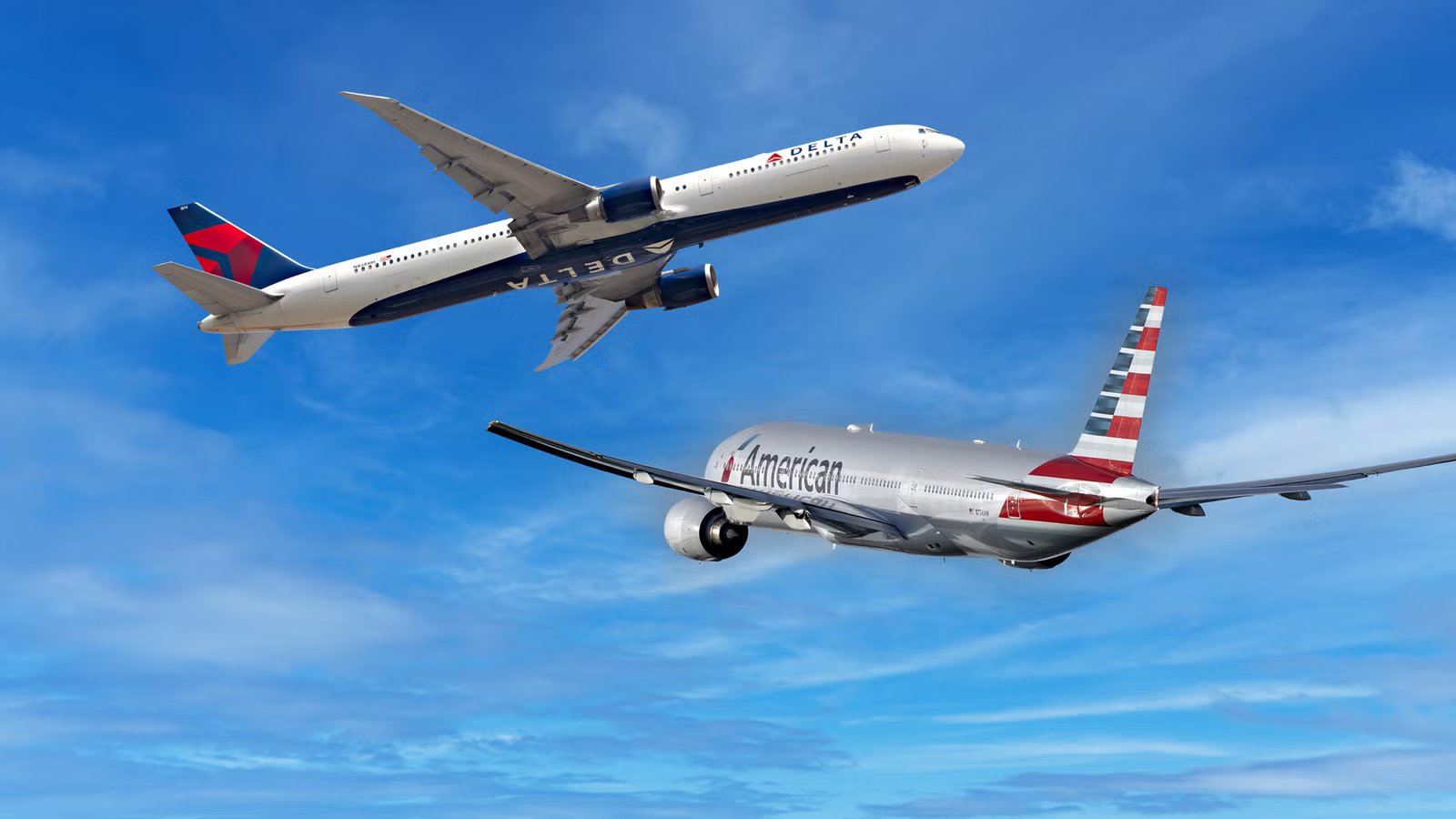
The strategy also responds directly to competitive pressure. Both Delta Air Lines and United Airlines have spent years investing heavily in premium products, including suite-style seating and upgraded lounges. By standardizing its premium experience across widebody aircraft and extending lie-flat seating to long-range narrowbodies, American aims to deliver a recognizable flagship product regardless of aircraft type or destination. Consistency has become a major selling point for frequent travelers who expect the same level of comfort whether flying from New York to London or connecting onward to smaller international markets.
Ultimately, the airline appears to be betting that premium demand will remain resilient even during economic uncertainty. Higher-paying passengers provide stronger margins and greater revenue stability compared to price-sensitive economy travelers. If the investment succeeds, American’s evolving fleet could allow it to compete not just on schedule and network size, but on experience, positioning premium comfort as a defining feature of its long-haul brand for years to come.