dailynewsnblog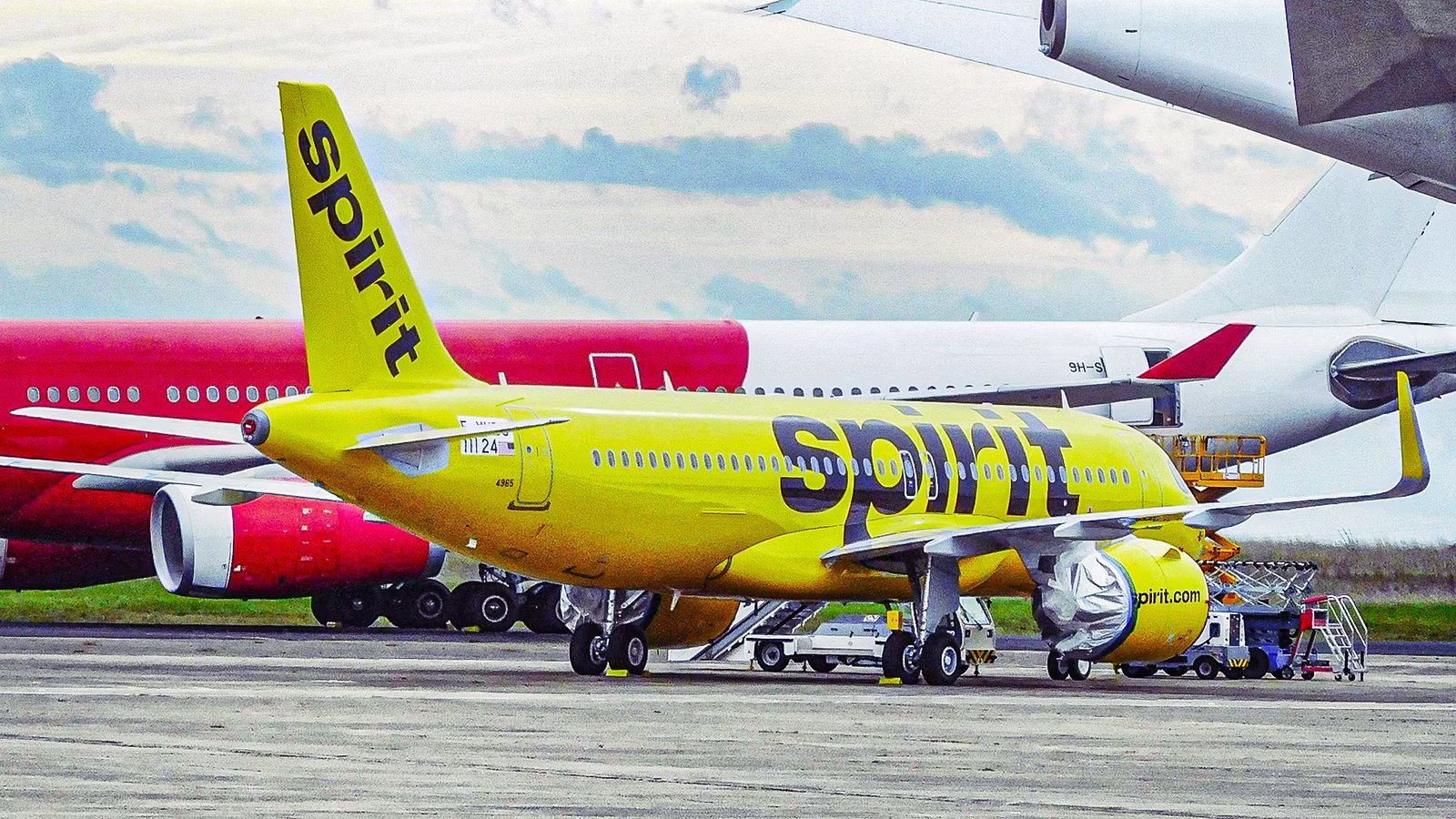
Airlines are retiring relatively young aircraft, such as the Airbus A320neo and A220, some as little as 4–8 years old, primarily due to engine reliability issues and the rising value of spare engines, rather than airframe age. Based on recent fleet data and analysis from companies such as Naveo, engines such as the Pratt & Whitney PW1000G have faced prolonged inspection and repair backlogs, leaving aircraft grounded for months. In some cases, a single serviceable engine can be worth $10–15 million (€9–14 million), fundamentally shifting how these aircraft are valued.
This analysis breaks down six key factors driving early aircraft retirements, including engine shortages, part-out economics, leasing strategies, and supply chain constraints. Drawing on real-world operator examples and current maintenance data, the sections below explain why, in today’s market, dismantling a modern aircraft can be more profitable than keeping it in service, and why this trend is accelerating across global fleets.
Engine Reliability Issues Driving Early Retirements

One of the most significant reasons airlines are retiring relatively young aircraft is persistent engine reliability problems. Modern engines, particularly newer-generation designs like the Pratt & Whitney PW1000G, are built for fuel efficiency and lower emissions, but they are also more complex. This complexity has introduced unexpected technical issues, including premature wear, contaminated metal components, and frequent maintenance requirements, affecting aircraft such as the Airbus A320neo and Airbus A220.
These problems have led to aircraft being grounded for extended periods while engines undergo inspections, repairs, or replacements. For example, IndiGo has had a significant portion of its A320neo fleet temporarily out of service due to engine inspections, while Air Austral struggled to keep its A220 aircraft operational because of recurring engine faults. Even though the aircraft themselves remain structurally sound, the inability to rely on their engines makes them economically unviable to operate.
As a result, airlines are forced into difficult decisions. Rather than continuing to deal with unreliable performance and operational disruptions, some choose to retire these aircraft earlier than planned. A clear example is Air Austral, which decided to phase out its relatively new A220 fleet after ongoing engine-related issues. This is not due to the age of the aircraft, but rather the disproportionate impact of engine-related problems on efficiency, scheduling, and overall profitability.
Engine Shortages Increasing Component Value

A major shift in aviation economics is the rising value of aircraft engines due to global shortages. Supply chain disruptions, limited maintenance capacity, and durability issues with newer engines, such as the Pratt & Whitney PW1000G and CFM LEAP have created a situation in which engines are scarce and highly sought after. Airlines such as Lufthansa and Spirit Airlines have reported aircraft being grounded simply because spare engines are unavailable, even when the rest of the aircraft is fully functional.
Because of this scarcity, the value of engines has surged dramatically. Industry reports cited in sources like AirInsight note that a single serviceable engine can be worth $10–15 million (€9–14 million) or more, meaning a pair of engines can rival the residual value of a midlife aircraft like an A320neo. In some leasing cases, the engines alone are now the most valuable part of the asset, reversing the traditional model where the airframe held most of the value. This is particularly true for newer, fuel-efficient engines that are in high demand but short supply.
This imbalance creates a strong financial incentive to extract engines from aircraft rather than operate them. Leasing companies and asset managers have begun removing engines from relatively young jets and placing them with airlines that urgently need them to keep fleets flying. For example, several early-build A320neo-family aircraft have reportedly been parted out primarily to harvest engines, as highlighted by analysis from companies like Naveo. Instead of generating revenue through passenger flights, these aircraft can yield higher and faster returns simply by supplying engines and high-value components to the global market.

How Airlines Decide When It’s Time To Retire Aircraft
Determining exactly when to retire an aging aircraft is a complicated business.
Aircraft Part-Out Strategies

For younger aircraft, this trend is particularly striking. Traditionally, part-out strategies were reserved for older jets nearing the end of their lifecycle, typically 20+ years old. However, recent reports highlighted by firms like Naveo show that some Airbus A320neo family aircraft are being dismantled at just 5–8 years old, primarily to recover engines. In one widely cited estimate, at least a dozen to nearly 20 relatively young aircraft have already been parted out due to engine shortages and high component values.
This shift reflects a broader change in how aircraft are valued. Instead of being treated as long-term operational assets, they are increasingly viewed as collections of high-demand parts. For example, lessors have found that removing engines from grounded aircraft and leasing them to active operators can generate immediate cash flow, while the remaining components can be sold over time. When market conditions favor parts, especially scarce engines, over whole aircraft, early retirement and dismantling become a rational and often more profitable business decision.
Leasing Economics And Financial Pressures

This financial logic often overrides traditional expectations about aircraft lifespan. Even if an aircraft is relatively new, sometimes under 10 years old, it may not be economically viable to keep it in service. For example, some lessors have opted to part out relatively young narrowbody aircraft to extract engines and high-value components, generating quicker and more predictable returns. The decision is driven less by age and more by market conditions, asset liquidity, and overall return on investment.

When Will Emirates Ever Actually Retire The Airbus A380?
UAE-based legacy carrier Emirates operates nonstop flights to hundreds of global destinations by funneling passengers through its principal connecting hub at Dubai International Airport (DXB), a facility designed to handle as high a volume of traffic as possible. As a result, Emirates decided to acquire a jet with the long-haul capabilities needed to support this kind of service, and it invested heavily in the single largest aircraft program in history. The Airbus A380 was designed to be a massive, intercontinental flagship for the world’s largest and most capable airlines. Emirates was exactly the kind of customer that needed the jet. However, most other airlines have chosen to retire the aircraft recently. As a result, many have begun to wonder when Emirates will do the same. What do you think? When exactly will the airline retire the plane?
Operational Disruptions And Downtime Costs

Aircraft generate revenue only when they are flying. When grounded for extended periods due to maintenance or engine issues, they quickly become financial liabilities. Airlines must still cover costs such as leasing fees, parking, and maintenance, even when the aircraft is not in use. For example, IndiGo has had dozens of Airbus A320neo aircraft grounded at times due to engine inspections, while still paying lease and operational costs on those idle jets.
Frequent or prolonged downtime disrupts schedules, reduces capacity, and affects customer satisfaction. Airlines like Lufthansa have also faced operational challenges when aircraft powered by Pratt & Whitney PW1000G engines were unavailable, forcing them to adjust schedules or secure short-term replacement aircraft. Leasing substitute planes at short notice can be significantly more expensive, further increasing financial pressure and complicating fleet planning.
In this context, retiring an aircraft early can be a practical solution. A clear example is Air Austral, which chose to phase out its relatively new Airbus A220 fleet after repeated disruptions. By removing problematic aircraft, airlines can stabilize operations, reduce uncertainty, and focus on more reliable assets. The goal is to minimize disruptions, control costs, and maintain consistent service levels for passengers.
Supply Chain Constraints And Industry-Wide Impact

The aviation industry has been facing significant supply chain challenges, particularly since the early 2020s. Delays in manufacturing, shortages of spare parts, and limited maintenance capacity have created bottlenecks across the sector. Major manufacturers like Airbus and Boeing have both reported delivery delays due to supplier constraints, while engine makers such as Pratt & Whitney have struggled to keep up with demand for inspections and repairs. These issues have made it harder to repair and maintain aircraft efficiently across global fleets.
Engine maintenance, in particular, has been heavily affected. Repair turnaround times for engines like the Pratt & Whitney PW1000G have stretched from weeks to several months or longer, with maintenance backlogs expected to persist for years. Airlines, including Spirit Airlines, have warned that multiple aircraft could remain grounded at any given time due to engine availability, while others have had to wait extended periods for shop visits. At the same time, delays in new aircraft deliveries, particularly for popular models like the Airbus A320neo, prevent airlines from easily replacing grounded planes with newer, more reliable units.
These constraints amplify all the other factors contributing to early retirement. When repairs take too long, and replacements are unavailable, the economic case for keeping certain aircraft weakens significantly. For instance, some operators and lessors have opted to part out relatively young aircraft simply because engines could not be returned to service quickly enough. In such an environment, retiring and dismantling aircraft becomes not just an option, but sometimes the most rational and financially sound decision.