dailynewsnblog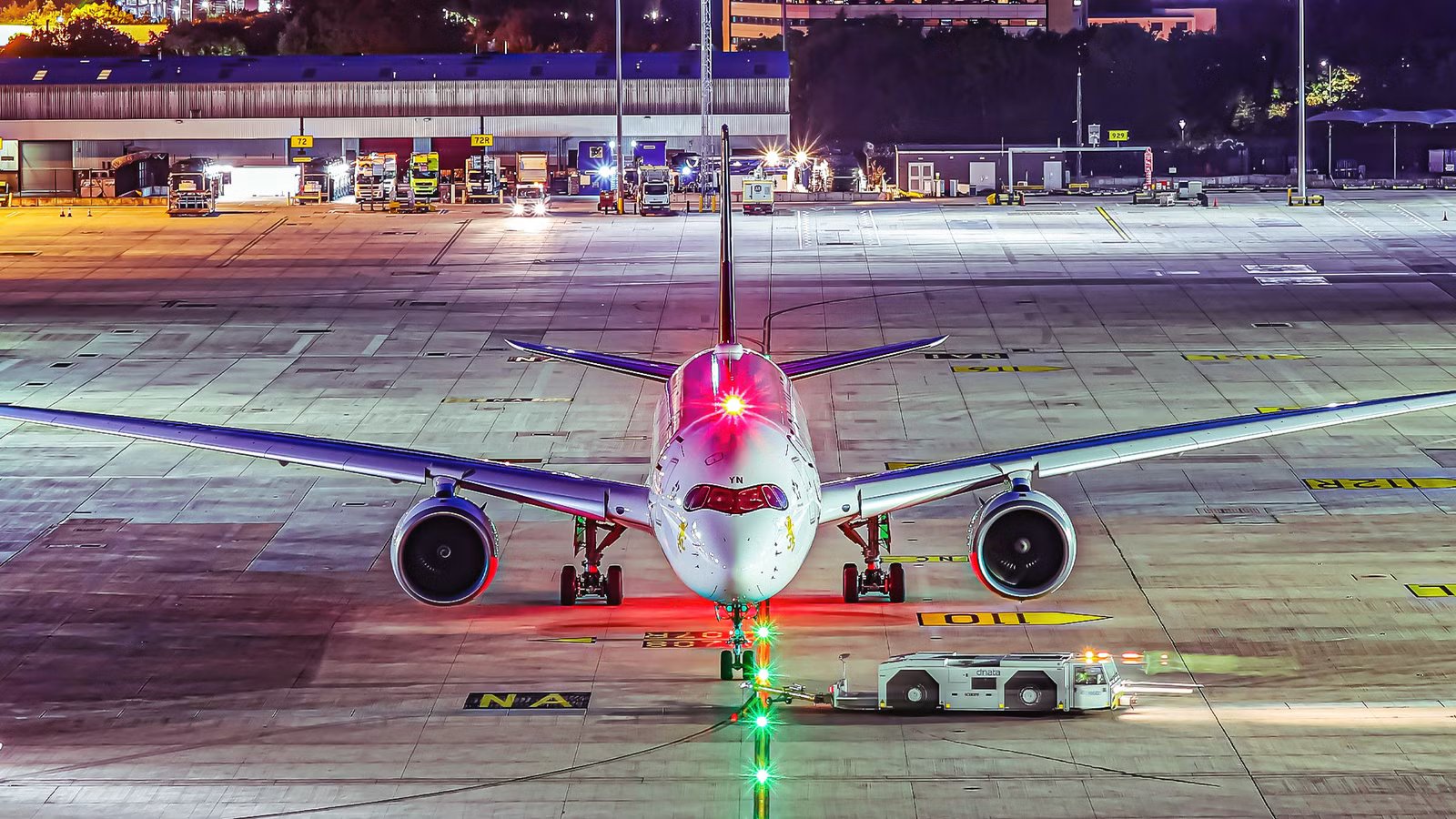
Airbus achieved a total of 35 commercial aircraft deliveries to 21 customers in February 2026, the majority of which were Airbus A320neo-family jets. Along with 33 narrowbody deliveries (including eight A220s), the European planemaker handed over just two widebody airframes, both of which were A350 models.
Although it is still early days, Airbus’ delivery rate is lagging behind its output from 2025. The company has now delivered 54 aircraft over the first two months of 2026, compared to 65 planes during the same period last year. With an ambitious target of 870 aircraft in 2026, its performance in the first two months is a cause for concern.
Airbus Delivers 35 Commercial Planes In February 2026

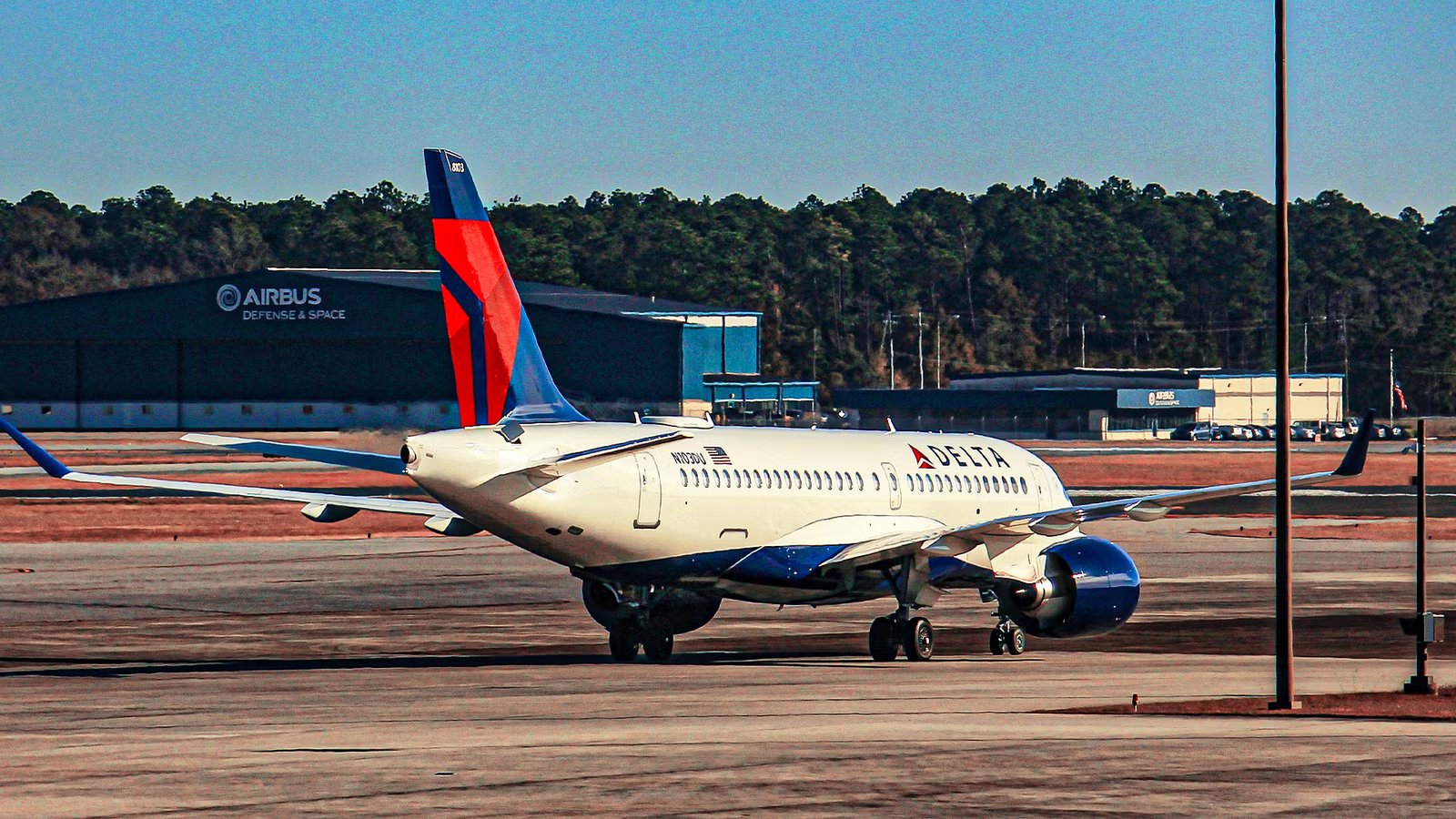
According to the company’s latest delivery figures, it handed over 25 A320neo-family jets, eight A220-300s, and two A350s, comprised of one A350-900 and one A350-1000 to EgyptAir and Japan Airlines, respectively. The low number of Airbus A320neo planes will be concerning for the manufacturer, which has recently hit out enginemaker Pratt & Whitney for delays in engine deliveries, thus slowing down its own rate of production.
|
Airbus February 2026 Delivery Figures |
|
|---|---|
|
Aircraft |
Deliveries |
|
A220-300 |
8 |
|
A320neo |
3 |
|
A321neo |
22 |
|
A350-900 |
1 |
|
A350-1000 |
1 |
|
Total |
35 |
Airbus was aiming for an ambitious 75 A320neo deliveries per month by next year, but is currently achieving just a third of that rate and has pushed this target back to 2027, citing “Pratt & Whitney’s failure to commit to the number of engines ordered.” Nonetheless, February’s effort is an improvement on the month prior, with Airbus managing only 15 A320neo-family deliveries in January 2026. As stated by Airbus,
“In February 2026, we delivered 35 aircraft to 21 customers and added 28 gross orders to our order books, including 25 A320neo family aircraft for Air Astana.”
GTF Engine Bottleneck

A critical constraint that is holding back Airbus’ delivery output is the ongoing problems with Pratt & Whitney’s Geared Turbofan (GTF) engine. The PW1100G-JM is one of the engine options for the Airbus A320neo. Although it is not the most popular engine choice for customers (the LEAP-1A powers roughly 70% of A320neos), the PW1100 still makes up over a quarter of Airbus’ A320neo backlog.
While Airbus has continued manufacturing aircraft at its planned rates, the lack of engine deliveries from Pratt & Whitney cannot be easily mitigated, as engines are installed late in the assembly process. Consequently, Airbus has been slowly accumulating more and more “gliders,” the term used for completed aircraft that don’t yet have their new engines equipped.
The GTF bottleneck stems primarily from a manufacturing defect involving contaminated powder metal used in high-pressure turbine and compressor components built between 2015 and 2021. As a result, Pratt & Whitney has implemented an extensive inspection and replacement program, requiring hundreds of engines to be grounded and removed. Although engine supply is expected to recover gradually, the GTF bottleneck remains a key reason why Airbus is lagging in its delivery totals.

This Bad Already? Airbus’s Worrying 2026 Delivery Numbers
Airbus delivery data for early 2026 is causing heartburn for investors and airlines.
Orders Up For Narrowbodies

Airbus attracted a total of 28 new commercial aircraft orders in February, including an Air Astana order for 25 A320neo jets, two A321neos from Tigerair Taiwan, and a single A320neo from an undisclosed customer. However, widebody orders have tapered off this year, with Airbus managing just a single new order for an A330neo courtesy of Air Algérie.
While the company’s net new orders in 2026 stand at 77 aircraft — higher than the 65 orders it logged during the same period in 2025 — all but one are for its narrowbody range, whereas 29 of its orders from last year were for more expensive widebodies.
Airbus narrowly achieved its yearly delivery target of 790 planes in 2025, surpassing its target by three aircraft to round off a successful year. The company’s revenues also jumped by 6% year-on-year to reach €73.4 billion ($86.6 billion), and it hopes to exceed last year’s delivery effort with a target of 870 planes in 2026.