dailynewsnblog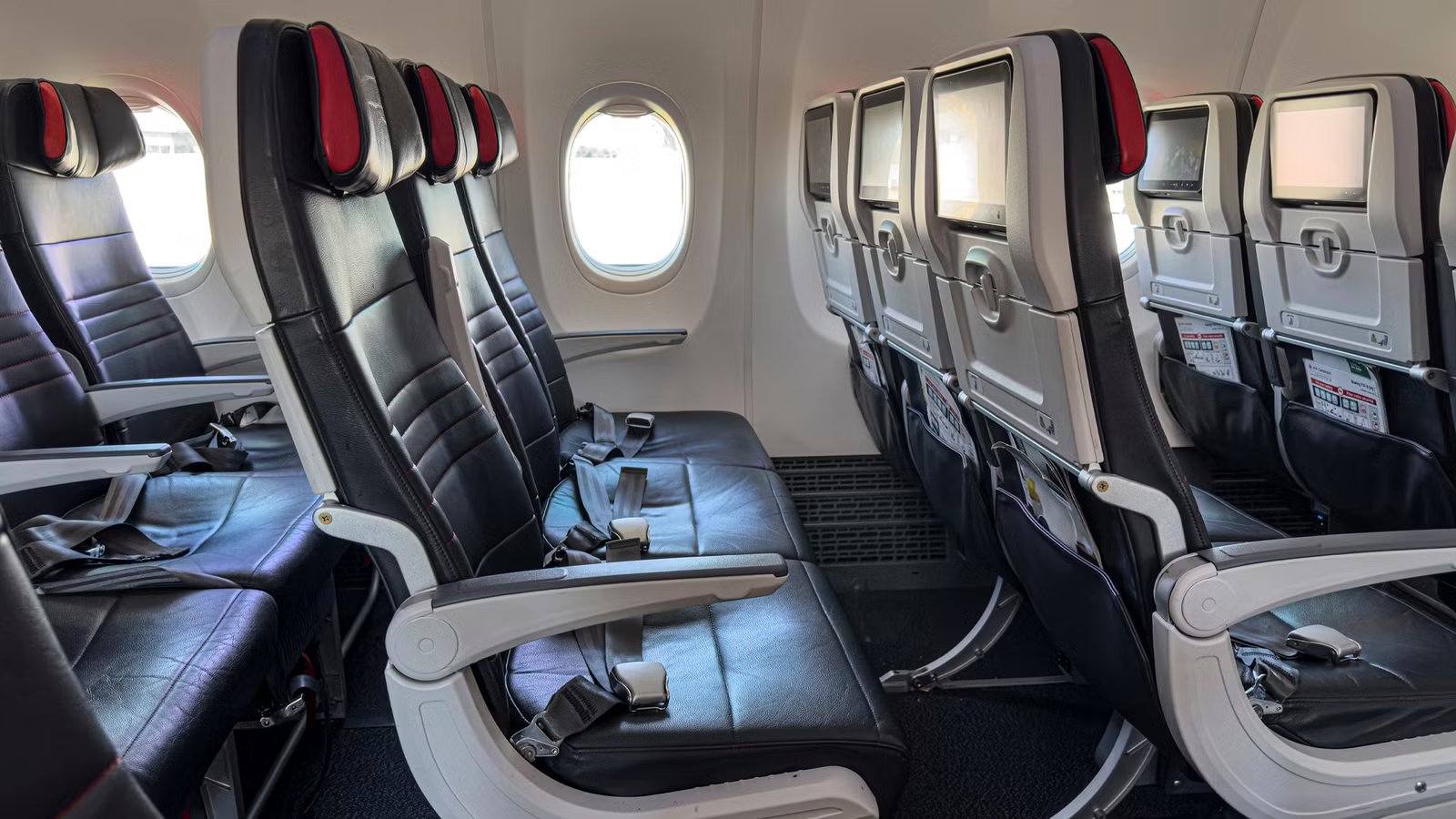
Occasionally, we will hear of a flight taking off with just one or two passengers on board, which is unusual but makes it a very special flight for said passengers. Airlines operate on slim profit margins, so flying out an empty aircraft is surely not a good thing. It makes no sense to fly an aircraft without paying passengers, and it is not profitable. However, it does happen; let’s find out why.
It would make more sense to cancel the flight and re-book passengers on another flight, one would think. If a Passenger sees an empty seat map, does that mean that the flight will be automatically canceled, or will they be that special passenger who has the jet to themselves? What happens when a flight is completely empty, and why do these flights sometimes still go ahead even at a loss or profit?
The Bigger Picture

The airlines always look at the bigger picture. So let’s take a typical flight, say from San Francisco to Los Angeles. The outgoing flight may have just a handful of passengers, but the return flight may be completely full. In this case, it would make no sense to cancel the outgoing flight as the airline would have to cancel the return sector.
Also, if the Aircraft was flying to a further destination, say Seattle, then canceling the flight would cause further scheduling problems for the airline if they don’t operate the flight, and more disruption. The same goes for the flight crew and cabin crew. If they are scheduled for a flight, they would have to be stood down and a new crew found to operate the Seattle sector. The crew may also have to reposition to get where they need to be.
Passengers may assume from a seat map that a flight is almost empty and maybe canceled, but this is not a reliable representation of the flight. Some airlines assign seats in advance, and some passengers don’t book their seats in advance, so they may not appear on a seat map. Passengers should never assume that because a flight seems to show up almost empty, that it will be canceled as most likely it will not.
Operational Reasons For An Empty Flight

We have to consider that not all flights are scheduled passenger flights. There are often operational reasons why an airline may fly an aircraft empty. This could be for pilot training, and indeed, during the pandemic, when passenger travel came to a complete stop, flight crew and cabin crew still had to continue flying to keep their certifications. So flights during this time allowed them to stay current on their aircraft types.
An aircraft may also be flown empty for Maintenance purposes or for testing. If an aircraft ‘goes tech’ down route, the airline will often send out another aircraft and crew to collect the passengers and possibly crew. They may also send out a maintenance crew and spare parts to fix the aircraft and a repositioning crew to fly the aircraft back. Aircraft may also fly empty for operational reasons, such as delivering a new aircraft to base, and when aircraft are retired.
When an airline receives delivery of a new aircraft type, it has to perform ‘proving flights’ to demonstrate that it can fly a regular revenue service before the aircraft is added to the Air Operator Certificate (AOC). The airline has to plan the aircraft on routes that it will fly when it enters service, and the cabin crew has to perform their usual duties. This is to identify any potential issues or operational problems before passengers fly on a scheduled service.

How Do Airlines Decide The Appropriate Aircraft For Each Route?
A closer look at how airlines decide to place which aircraft on their routes.
The Why’s And The Wherefores

Airlines rarely cancel flights with no or few passengers, as often there is cargo onboard that needs to be dropped at the destination. They will optimize the schedule due to demand for flights, the aircraft that are available, and economic conditions as well as situations that are out of their control, like regional conflict or disease. This is often planned well in advance, but in uncontrollable events, airlines remain dynamic and adaptable.
An airline’s direct operating costs include fuel, crew salary, airport fees, and maintenance wear and tear. On an empty or near-empty flight, passenger revenue may not cover those costs. However, if a flight is canceled, airlines are sometimes obligated to rebook passengers, pay them compensation, provide hotels and meals, which puts more pressure on customer service teams. Overall, this can cost more than flying an aircraft empty with no passengers.
In business aviation, empty flights or ferry flights are far from unusual. Aircraft often reposition away from the base to meet passengers who wish to fly from A to B. For example, an aircraft can be based in Abu Dhabi, UAE, but may fly empty to pick up passengers in Jeddah, Saudi Arabia, and fly them to Paris. The aircraft may then also fly back to base the next day with no passengers on board. It depends on the operator and how they schedule flights. These empty flights are sometimes sold as ’empty legs’ at a reduced price.
Weighing It All Up

For airlines, it often costs more to cancel a flight with low passenger numbers, so flying a profit-losing flight is sometimes the best option. Aircraft are often scheduled to operate a sequence of flights, often with multiple destinations. So, canceling a flight could have a domino effect on operations as the aircraft and the crew are no longer where they should be. Therefore, to avoid multiple disruptions, airlines often prefer not to cancel an almost empty flight, unless for a technical reason.
Empty flights are often subsequently followed by profitable flights, so airlines will rarely cancel a flight. Empty seats can also be filled by airline staff traveling on standby tickets. In terms of performance, an aircraft with fewer passengers performs better with faster takeoff and less fuel consumption. In the case of a flight being heavily delayed or if it is a charter flight, it may fly back to base empty to return to the operational schedule as quickly as possible.
From a passenger perspective, it is unusual for an airline to cancel a flight near its departure time, even if it has just a handful of passengers. This would likely only happen if the aircraft had a technical issue, and then alternative arrangements have to be made. Bad weather can also cause delays or cancellations, and the large airlines at major hubs will have priority over other airlines when there are changes to the schedule. A small airline is more likely to cancel a flight with few passengers than a large airline.

How These Passengers Experienced The Unthinkable On Southwest Airlines
On a recent flight, the two lucked out in perhaps the best possible way.
The ‘Ghost Flights’ And Slot Issue

During the pandemic, there were ‘ghost flights’ that flew empty as airlines needed to continue to operate flights to secure their take-off and landing rights, particularly at major hubs and major airports in Europe, according to CNN. Airlines had to protect their slots, which are their scheduled times on specific routes. Slots are airline assets that need to be protected and can change hands between airlines for millions of dollars.
Demand for slots exceeds the availability of runways and terminal space. To manage this, capacity is allocated to ‘slots’ that span landing, disembarkation and refueling, boarding again, taxi, and takeoff, within a specific time frame. Airlines plan their schedules based on slot times; therefore, they try to keep to their schedule, which is another reason flights may fly empty to ensure that slots are kept.
Regulators have adjusted slot rules in recent years, so airlines don’t need to fly empty to keep slots open as often as they used to. Most major airports already operate at 95–98% capacity, according to data from OAG. Although there is a high demand for flights, there is not enough capacity or infrastructure available at most major airports.
Key Takeaways

A passenger should never assume that because a flight looks empty on a seat map, that it will automatically get canceled. Flights sometimes fly empty with no passengers or few passengers and just the crew. Unless there is a technical issue, most flights will run as normal, as a subsequent flight or return sector may have a full passenger load or be carrying cargo that needs to be delivered. Disruption to the flight schedule has to be avoided as much as possible.
There are many reasons why airlines may fly empty and make a loss doing so. This can include things like pilot training, crew recurrency, or in dynamic situations that can rapidly change. Empty flights are also used for ‘proving flights’ during the air operator certificate process, for new aircraft delivery or aircraft retirement, and for maintenance reasons or testing purposes. Ghost flights have also been used in the past to keep slots available for airlines at major airports.
In business aviation, it is very common to fly empty as a ‘ferry flight’ in order to pick up passengers, rarely from its base. Therefore, the flight may have multiple sectors with ferry flights in between, taking the passengers from point A to B and then returning to base, or flying onward to collect more passengers elsewhere.