dailynewsnblog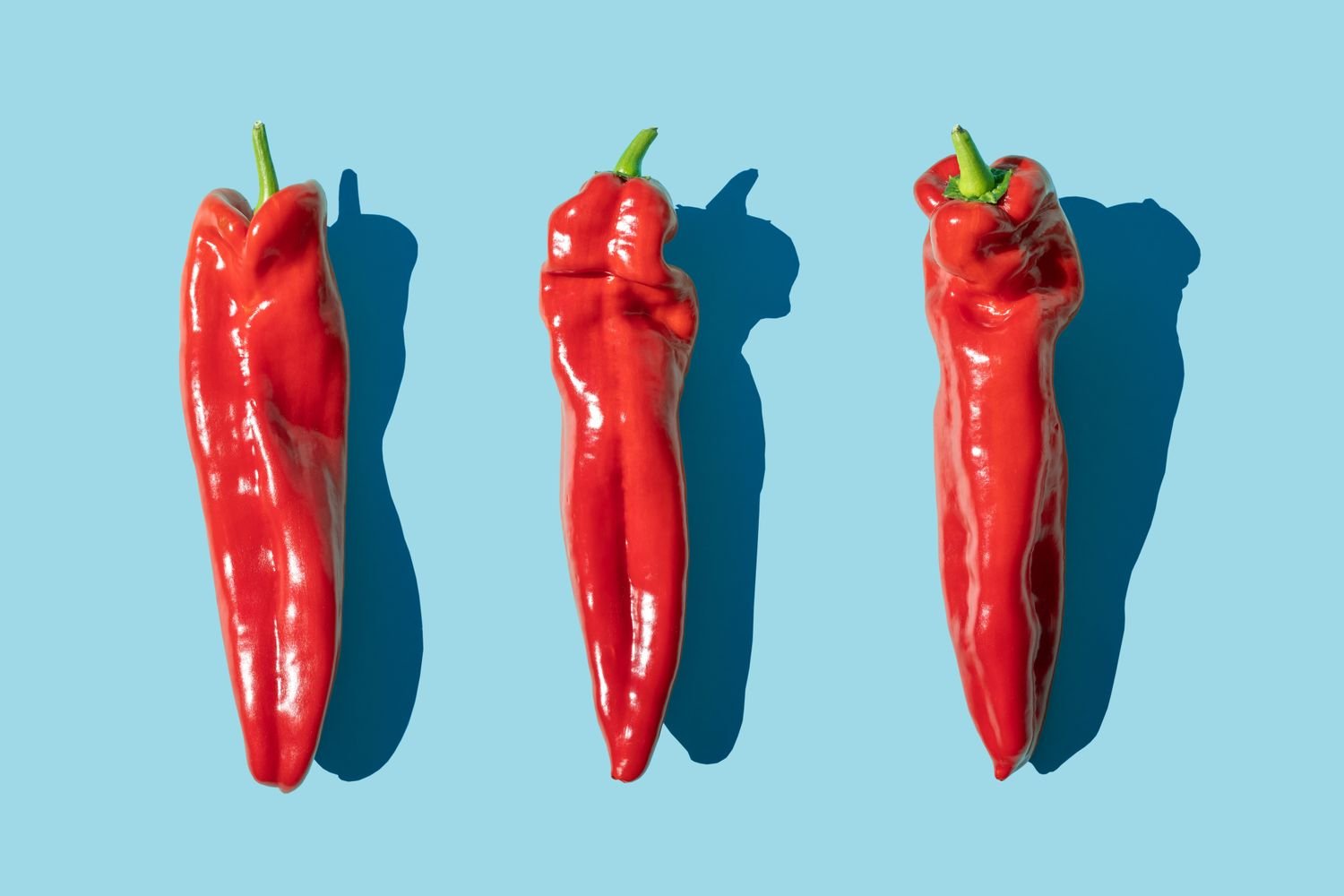
Key Takeaways
- Chili peppers may help support healthy blood pressure as part of an overall heart-healthy diet.
- They contain capsaicin, which may help relax blood vessels, improve circulation, and reduce inflammation.
- It’s best to choose whole and minimally processed preparations rather than ultra-processed items that are high in sodium, for effective blood pressure management.
Regularly eating whole chili peppers as part of a heart-healthy diet may help reduce blood pressure. But enjoying them in hot sauces, marinades, or other spicy food products may have the opposite effect.
Chili Peppers May Help Lower Blood Pressure
Capsaicin, a natural compound found in chili peppers responsible for their signature heat, also triggers several responses that may help lower high blood pressure. While research is promising, experts don’t yet fully understand how it works.
In the meantime, there’s some evidence pointing to the following theories.
- Improves blood flow: Capsaicin stimulates the release of nitric oxide, a substance that relaxes and widens your blood vessels, allowing blood to flow more easily.
- Offers anti-inflammatory effects: Capsaicin is also known to have some anti-inflammatory and antioxidant effects, which may help support healthy blood vessels. Ongoing inflammation and oxidative stress are associated with stiffer, less flexible arteries and elevated blood pressure.
- Supports metabolic health: Some research suggests a positive, yet modest, influence of capsaicin on weight loss and metabolic health. This is an important indirect factor because maintaining a healthy weight supports normal blood pressure levels.
- May help decrease sodium intake: Some studies suggest that individuals who enjoy eating spicy foods, such as chili peppers, may be less inclined to consume salty foods or add more salt to their diet. A lower sodium intake directly supports reduced blood pressure levels.
The research on capsaicin and blood pressure is generally mixed. Some people experience a modest effect on blood pressure, while others don’t.
When Chili Peppers Work Against Blood Pressure Goals
Chili peppers themselves are low in sodium and high in beneficial plant compounds. However, most people don’t just eat a bowl of them on their own. Rather, chili peppers are often consumed as part of meals that are loaded with added salt.
Regularly consuming high-sodium, spicy foods that contain chili peppers can cause your body to retain more water, potentially leading to an increase in blood pressure levels. Examples of such foods include:
- Buffalo sauce
- Hot sauces
- Marinades
- Ramen products
- Spice blends
Adding Chili Peppers to a Blood-Pressure-Friendly Diet
If you like spicy food, chili peppers can be a healthy part of a blood-pressure-friendly diet. What matters most is how you use them. Instead of relying on salty, bottled sauces or ultra-processed spicy foods, focus on whole, minimally processed ways to add their characteristic heat and flavor.
Here are some ideas:
- Use fresh or dried whole peppers, such as jalapeños, Serranos, poblanos, Thai chilies, and crushed red pepper flakes, to deliver heat without added sodium.
- Sauté chili peppers with garlic and olive oil.
- Add them to soups and stews.
- Finely dice and mix chili peppers into salsa, guacamole, or hummus.
- Create homemade chili pastes or hot sauces using fresh peppers, vinegar, lime juice, and salt-free herbs.
It also matters what you’re pairing chili peppers with at a meal or snack. Enjoying them with things like beans, lentils, sweet potatoes, quinoa, or avocado can further help support healthy blood pressure.
Who Should Use Caution
Some people who may want to practice caution when it comes to chili peppers and capsaicin include:
- Those with acid reflux or who are prone to indigestion, as spicy foods may cause further irritation
- Those who experience a spike in heart rate, sweating, flushing, or feelings of anxiety after eating spicy foods
- Those who take certain medications, as capsaicin, may interact with some blood pressure drugs or blood thinners (by amplifying their effects).
If you dislike chili peppers or are sensitive to their heat, it’s perfectly fine to avoid them. There are other ways to support a healthier blood pressure, including engaging in regular exercise, managing stress levels, getting adequate sleep, and eating a heart-healthy, low-sodium diet rich in fruits, vegetables, whole grains, nuts, seeds, and legumes.
:max_bytes(150000):strip_icc():format(webp)/Lpanoffverywellphoto-f71f0b5c487943a382bbbdabc0a2fc1d.jpg)