dailynewsnblog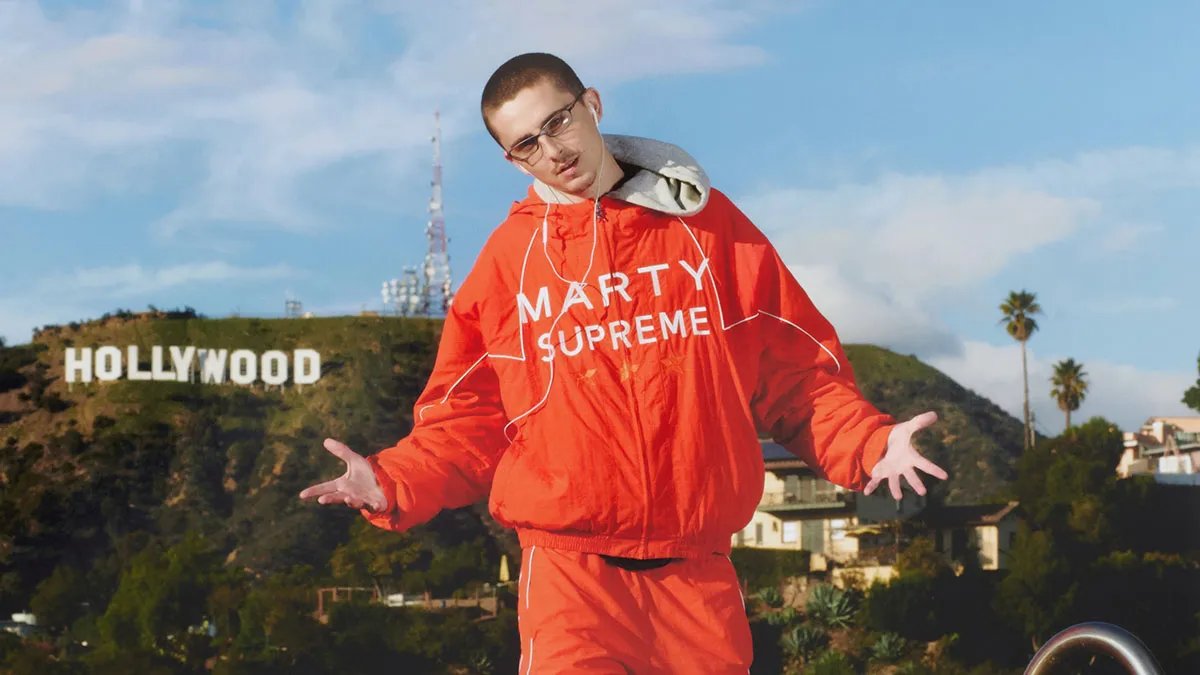
Since launching as an indie distributor in 2012, A24 has become shorthand for niche taste, thanks to a run of hyped movies spanning arty horrors (Midsommar, The Killing of a Sacred Deer), dopaminergic thrillers (Uncut Gems), coming-of-age dramas (Moonlight, Aftersun) and major Oscar winners (Everything Everywhere All At Once, The Whale). So much so that “A24” is now a colloquial adjective. “This is one of the most powerful indicators that you have transcended your category and become a clear point of cultural influence,” says Parisa Parmar, senior creative strategist at London-based entertainment marketing agency Attachment. (A24 declined to comment for this story.)
Last year, System magazine wrote that A24 “adopted fashion’s love of branding to transform itself from a film distributor into a social media-savvy cultural phenomenon”. Now, in light of the Marty jacket, it’s time for the reverse: for fashion brands to take notes from A24, drawing on its illustrious reputation.

A24 merchandise has been a key component to its success, acting as a buffer against its (relatively) strapped marketing budgets, compared with those of major studios. Since 2017, it’s collaborated with fashion brands including Online Ceramics and Brain Dead on capsules using poster art (and the A24 logo) as the basis, with many reaching coveted status among cinephiles and hypebeasts alike (resale apps remain stacked with thousands of graphic tees, some commanding a fivefold appreciation on their original $65-or-so price).
Ironically, A24’s drop approach has often been compared to streetwear label Supreme in terms of its esoteric product offerings. Take, for example, its latex gloves with hot dog fingers for Everything Everywhere All At Once, a gingerbread treehouse kit for Hereditary, or a beard grooming set for The Lighthouse.