dailynewsnblog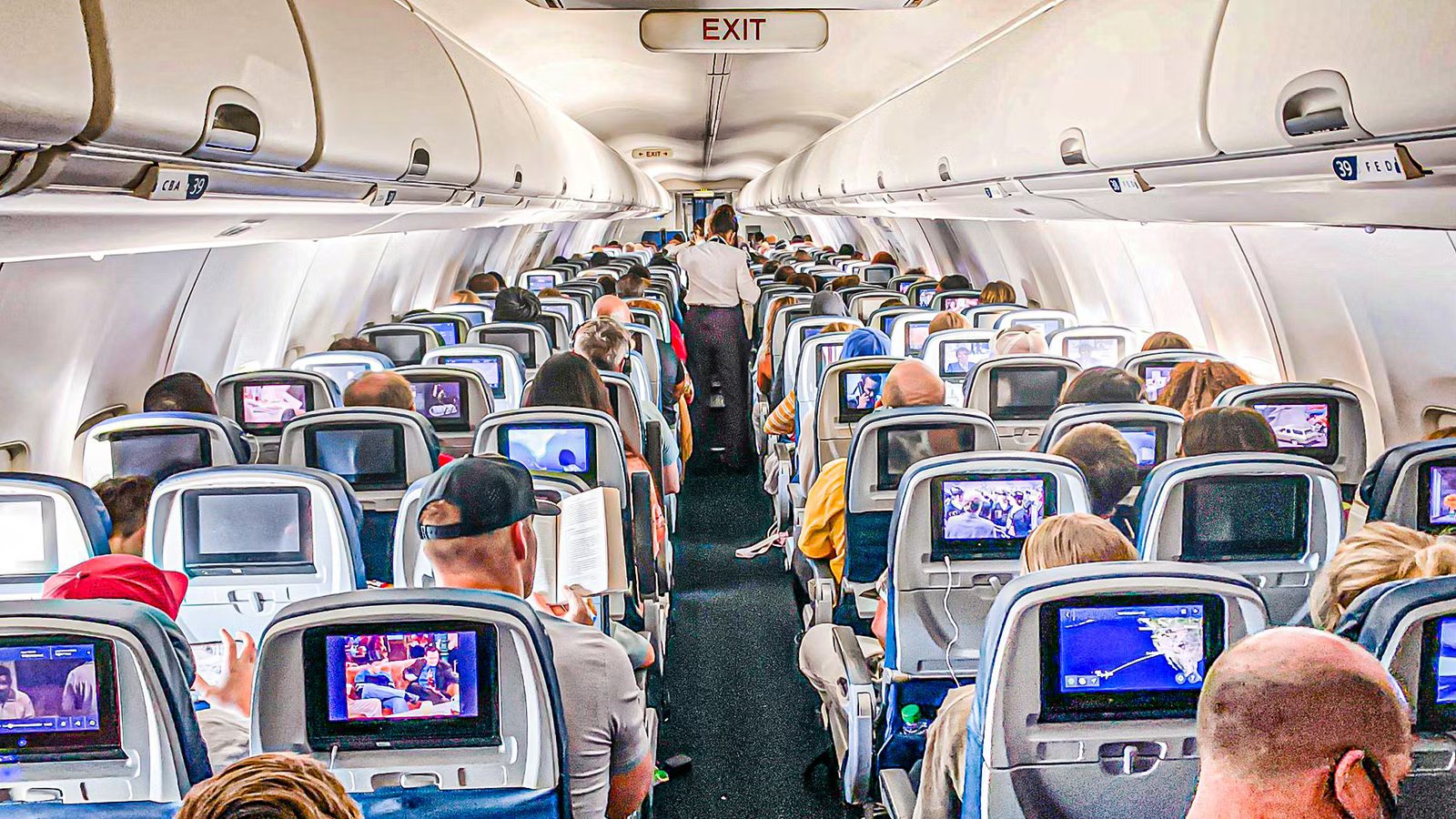
Few aircraft have played as enduring and flexible a role in a modern airline fleet as the Boeing 757 has for  Delta Air Lines. Originally designed as a mid-capacity narrowbody, the type has proven capable of operating everything from short-haul domestic sectors to longer, high-demand routes that push the limits of single-aisle flying. Over the years, Delta has relied on the 757’s range, performance, and reliability to cover missions that might otherwise require multiple aircraft types, helping explain why the jet remains in regular service long after many peers have retired theirs.
What makes Delta’s Boeing 757 operation especially distinctive, however, is not just the aircraft itself but how differently each one can be configured on the inside. Rather than adopting a single standardized cabin layout, the airline operates several variations that reflect evolving route strategies, refurbishment cycles, and premium service requirements. For passengers, this means the experience can change noticeably from one flight to the next, even on the same aircraft type. Recognizing those internal differences is key to understanding why seat selection on the Boeing 757 is more complex than it first appears.
Why Delta’s Boeing 757 Cabins Vary So Much

Delta Air Lines operates more Boeing 757s than any other carrier, in the region of 110 as of late 2025, and unlike most airlines, it has chosen not to standardize them. Instead, the aircraft have been adapted over time to serve different roles and purposes, ranging from short domestic routes to premium coast-to-coast services. Cabin layouts have evolved alongside shifting network priorities, refurbishment cycles, and customer demand. As a result, seat comfort can vary meaningfully depending on the aircraft’s internal layout, even when flying the same route on different days.
Within the Boeing 757-200 fleet alone, Delta uses five distinct configurations: 75D, 75G, 75H, 75S, and 75C. While the airframe is identical, differences in door placement, galley size, and premium cabin depth directly affect which rows offer extra legroom, reduced noise, or better overall comfort. These structural variations also influence where exit rows fall and how cabins are divided, creating subtle but important distinctions for passengers selecting seats in advance.
The Boeing 757-300 fleet, by comparison, is far simpler. All aircraft share the same cabin arrangement, making seat selection more predictable and reducing the guesswork often associated with the 757-200. Still, even on a standardized aircraft, seat location plays a major role in ride quality, noise levels, and ease of movement, particularly given the aircraft’s unusually long single-aisle cabin.
Delta One And First Class: Where Premium Seats Shine

On most Boeing 757-200 aircraft, the forward cabin is sold as a dedicated first-class configuration and features reclining seats rather than lie-flat beds. These seats generally offer around 36 inches of pitch and noticeably wider cushions than economy, making them well-suited for short and medium-haul domestic flights. Seat width and legroom are consistent across most rows, but the experience can vary depending on proximity to galleys and partitions. Bulkhead seats, while offering unobstructed space ahead, can feel more restrictive due to fixed armrests, limited foot space, and the absence of under-seat storage.
The standout configuration is the 75S variant, which includes Delta One flat-bed seating in place of traditional First Class. These seats are arranged in a 2-2 layout and convert into fully horizontal beds, making them especially desirable on longer routes where rest is a priority. Cabin placement becomes more important in this layout, as seats closer to the center of the Delta One cabin tend to be quieter and less affected by service traffic. Seats positioned away from galleys and lavatories generally provide the most restful environment, particularly on overnight or business-focused flights.
Across all premium configurations, the best seats are usually found in the middle of the cabin. These rows balance privacy, reduced foot traffic, and consistent service access, while avoiding the noise that can come from galley activity at the front or lavatories at the rear.

Sky-High Luxury: Inside Delta Air Lines Premium-Fitted Boeing 757s
Premium seats and exclusive amenities: A peek inside Delta’s elite flying experience.
Comfort+ Seats That Offer The Best Value

Comfort+ on Delta’s Boeing 757-200s provides extra legroom, early boarding, and upgraded service elements, but seat quality varies by layout. Depending on the configuration, Comfort+ can span anywhere from five to ten rows, with a pitch typically around 34 to 35 inches. Seat placement within the cabin is influenced by how far the premium cabin extends forward, which in turn shifts Comfort+ closer to or farther from key service areas.
Seats near the front of the Comfort+ cabin tend to be the most appealing. These rows benefit from quicker service and less disturbance from passengers moving between cabins, particularly during boarding and in-flight service. They also avoid the congestion that can occur near exit doors or rear lavatories, which can lead to increased foot traffic and occasional noise during longer flights.
Exit-row Comfort+ seats deliver the greatest legroom, though they come with compromises. Tray tables are often built into the armrests, slightly narrowing the seat, and personal items must be stowed during takeoff and landing. For taller travelers, however, these seats often outperform even some premium options.
Main Cabin Economy: Finding Space Where It Exists

Economy class seating on the Boeing 757-200 follows a standard 3-3 layout with pitch averaging between 31 and 33 inches, consistent with most domestic narrowbody aircraft. While most seats appear similar on paper, real-world comfort varies noticeably due to proximity to exits, galleys, and the wing. Noise levels, cabin traffic, and even perceived space can vary from row to row, particularly on longer flights or during peak boarding periods.
Exit-row seats are the most sought-after in the Main Cabin, offering legroom comparable to Comfort+ or, in some cases, even greater. These rows are ideal for passengers who prioritize legroom over recline, as some exit seats have limited seatback movement or fixed armrests. Despite these trade-offs, exit-row seats often provide the best overall economy experience on the 757-200, especially for taller travelers or those willing to trade seat flexibility for additional space.
For a smoother ride and reduced engine noise, seats slightly forward of the wing are often preferred, as this area of the aircraft experiences less vibration and more stable handling in light turbulence. These rows also tend to benefit from a calmer cabin environment, with fewer passengers congregating nearby during the flight. By contrast, rows near the rear galley and lavatories are typically louder and busier, particularly on full flights. Increased foot traffic, queuing for restrooms, and late-night service activity can make these seats feel more cramped and disruptive, which is why they are generally less desirable for longer journeys.

Seat Maps – Delta Air Lines – Boeing 757-200 (20F / 41W / 132M)
Explore the Delta Air Lines Boeing 757-200 seat map.
The Rare 757 Charter Layout

The 75C configuration is unlike any other in the Delta Air Lines fleet. Designed primarily for charter operations, including professional sports teams and special-purpose flights, these aircraft feature a low-density layout with two-by-two seating throughout much of the cabin. The absence of a traditional high-density economy section fundamentally changes how space is distributed onboard.
Because these aircraft are not optimized for standard commercial passenger service, seat pitch is generally more generous, and the cabin feels noticeably less crowded from front to back. Premium-style seating may extend farther into the aircraft than on typical 757-200 layouts, while traditional economy sections may be absent or significantly reduced. When these aircraft are occasionally used on scheduled services, nearly every seat offers above-average comfort, making seat selection far less critical than on other 757 variants.
While passengers rarely encounter this configuration on scheduled flights, substitutions do occasionally happen. In such cases, nearly every seat offers above-average comfort, making seat selection far less critical than on standard 757-200 layouts.
Boeing 757-300: Consistency With Clear Winners

The stretched-fuselage Boeing 757-300 operates with a single, uniform cabin configuration across the Delta Air Lines fleet. This level of consistency makes it easier for passengers to know what to expect from one flight to the next, reducing the uncertainty that often comes with seat selection on more variable aircraft types. At the same time, the aircraft’s unusually long single-aisle cabin places greater emphasis on seat location, as distance from galleys, exits, and service areas becomes more noticeable.
In first class, the forward rows provide the quietest environment and the fastest access to in-flight service and deplaning. These seats are also less affected by foot traffic from other cabins, particularly during boarding. Window seats are especially appealing to travelers seeking greater privacy, while aisle seats offer easier movement for those who prefer to stand or stretch during longer flights. In Comfort+ and the Main Cabin, mid-section seats generally provide the best balance of ride stability, cabin noise, and overall comfort.
Seats positioned closer to the wing experience less noticeable motion during turbulence, while also being far enough from lavatories and rear galleys to avoid congestion. By contrast, seats at the extreme rear of the aircraft often involve longer waits during deplaning and can feel busier throughout the flight, making mid-cabin rows the most consistently comfortable option for most travelers.