dailynewsnblog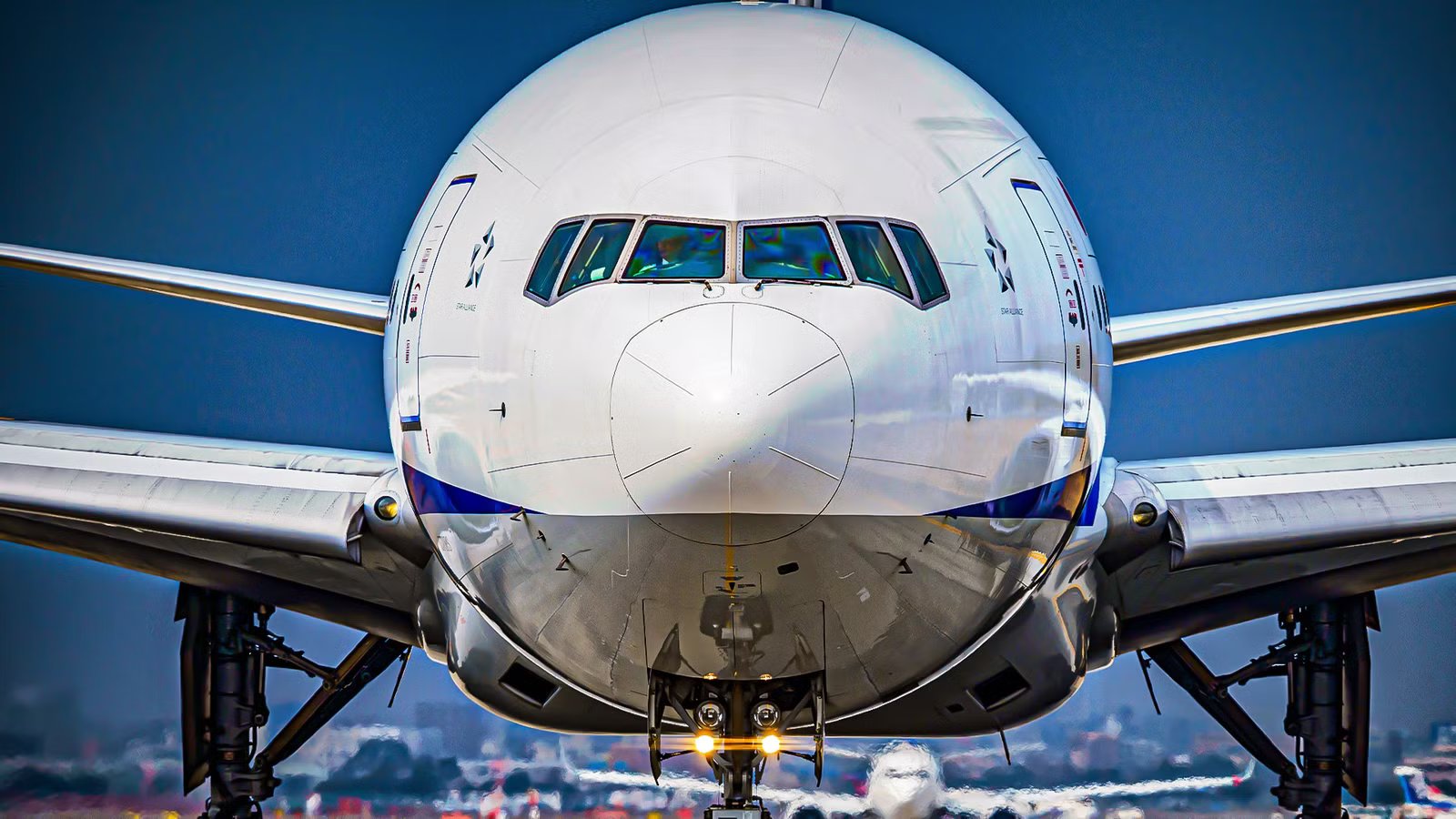
Widebody or Narrowbody? Perhaps a question that will make more sense to hardened travelers and aviation enthusiasts, but one that can have big implications for all plane-goers on matters of comfort, efficiency, or where they want to fly. Each type of aircraft has its benefits, both for the airlines operating them and for the passengers boarding it.
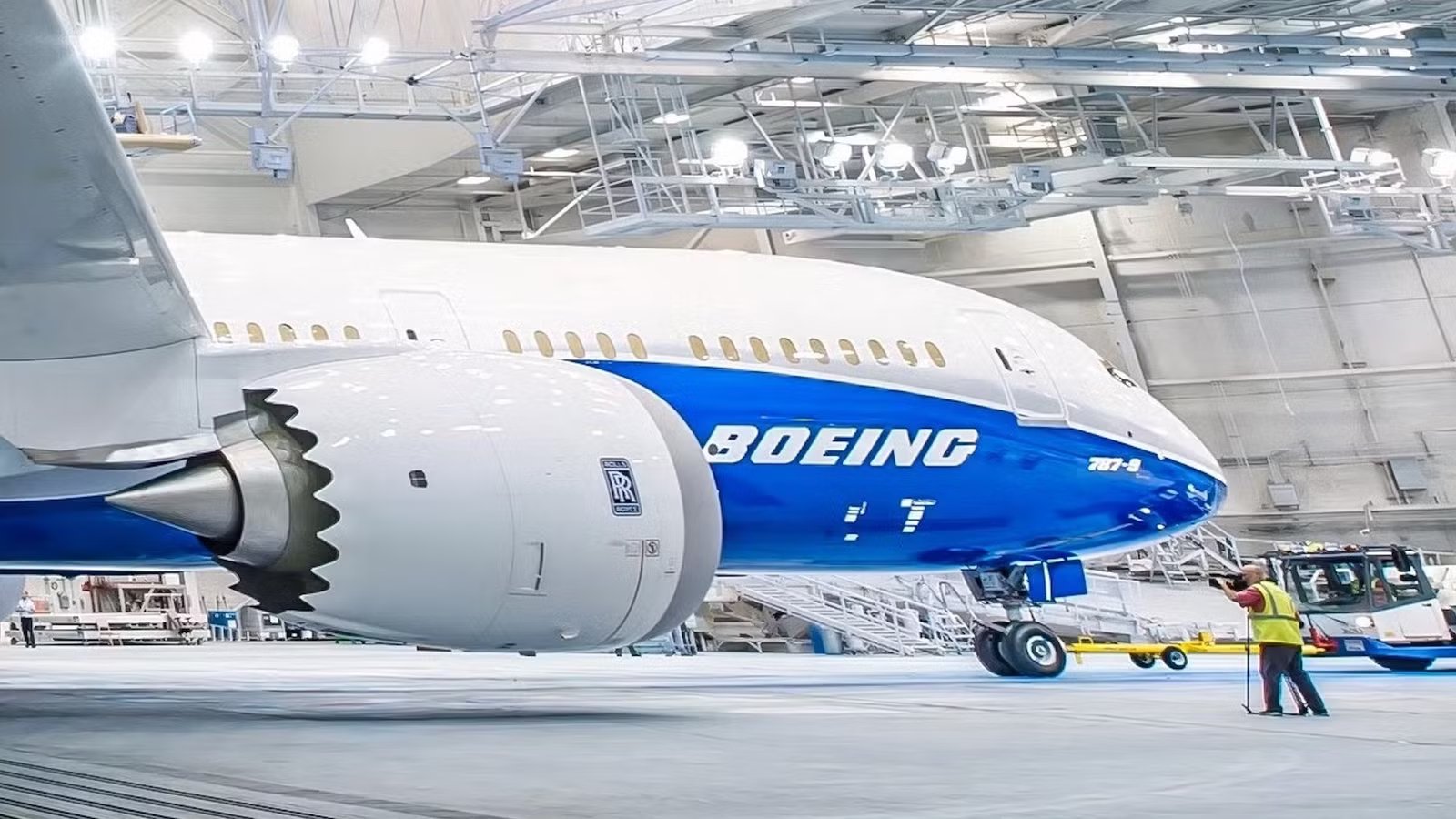
For those unaware of the ins and outs of aviation terminology, the names widebody and narrowbody really are as simple as they sound. A narrowbody aircraft is thinner, measuring around three to four meters in diameter, with one aisle separating passengers in the cabin. In contrast, widebodies usually have a diameter of between five and six meters and boast two or more aisles thanks to extra space in the cabin. Naturally, the latter houses more seats as a result. While a narrowbody often operates with a 3-3 seat configuration, a widebody might boast as many as ten seats per row in a 3-4-3 layout.
Luxury Is Standard For Long-Haul Travel

There is little doubt about it, space is a major benefit of flying on a widebody aircraft. More room within cabins might make for a more comfortable flight anyway. Still, it also allows long-haul carriers the luxury of offering passengers a choice of seat type through a range of different classes, from economy all the way up to first class. Whilst operators of narrowbody aircraft are forced to walk a fine line between offering higher-yielding premium seats or maximizing capacity, additional space on widebodies means luxury is standard.
There are several reasons for this, the key being that demand for premium products drops off significantly the shorter the flight. Short-haul carriers also face a greater need to keep prices and, therefore, costs down with less space to play with, given heightened competition with rival airlines on well-trodden routes, as well as with other forms of transport.
As such, passengers can expect to be greeted with luxuries on widebodies that are not found on narrowbodies. This includes meal service and inflight entertainment that are usually found in the most basic seats on longer flights, up to and including premium economy cabins.
Narrowbodies Serve A Bigger Market

That said, narrowbodies are more versatile and, besides the obvious space factor, the benefits of flying narrow or widebodies really come down to what passengers want from their flight. That could be a no-frills experience for a low fare, or the comfort of resting up whilst traveling for work. Narrowbodies are championed on mid- and short-haul flights and can be used for either, being utilized far more than widebodies, which lend themselves to longer routes.
Where widebodies tend to serve a very specific cause, narrowbodies can be used far more broadly. Take Ryanair,  Southwest Airlines,
  IndiGo, and easyJet – four of the world’s ten largest airlines, according to Statista. Each operates in the low-cost sector, a segment that makes up 35% of the global aviation market, using aircraft largely from the Airbus A320 and Boeing 737 families, per Planespotters.net, on high-frequency routes with quick turnarounds. Variations of these same planes are also regularly found on long-haul routes, such as for transatlantic travel.
Widebodies do indeed serve short routes in specific circumstances, like British Airways’ fresh 777-200ER Heathrow to Madrid Route. However, the larger models can be constrained by lower efficiency and a lack of flexibility around bases with short runways.

British Airways Adds Boeing 777 Flights On This Short European Route
It was last flown there in 2022.
Efficiency And Costs For Carriers

Larger engines on widebodies alone translate to more fuel usage. Coupled with increased drag and weight, it is no surprise that narrowbodies trump larger jets in efficiency on the same short to mid-haul routes.
Figures from Aviation Intelligence firm IBA clearly showcase this, placing a host of A321neo routes among the most efficient for transatlantic flight in terms of grams of carbon dioxide emitted per passenger per kilometer.
Examples of CO2 per passenger per kilometer on transatlantic routes
|
Air Transat |
A321LR Neo |
57.6g CO2 Per Pax/Km |
|
Aer Lingus |
A321LR Neo |
63.3g CO2 Per Pax/Km |
|
TAP Portugal |
A321LR Neo |
66.2g CO2 Per Pax/Km |
|
jetBlue |
A321LR Neo |
71.7g CO2 Per Pax/Km |
|
SAS |
A321LR Neo |
72.7g CO2 Per Pax/Km |
|
Virgin Atlantic |
A350-1000, 787-9, A330-300 |
73.4g CO2 Per Pax/Km |
|
American Airlines |
777-200ER, 777-300ER |
95.99g CO2 Per Pax/Km |
|
British Airways |
777-200ER, 777-300ER, 787-9, A350-1000 |
104.95g CO2 Per Pax/Km |
|
La Compagnie |
A321LR Neo |
150.6g CO2 Per Pax/Km |
That’s not to say that widebodies cannot be a solid option for the conscious traveler in some cases, particularly when it comes to the higher capacity, ultra-long-haul journeys that the likes of the Boeing 787 and Airbus A350 are specifically designed for. Add in technologies such as sustainable fuels, and the environmental impact of long-haul flights is indeed improving. But the fact remains the same: These widebodies are optimized for specific routes, and the gap between what each aircraft type can do is increasingly closing with developments in the narrowbody space.
Narrowbodies Offer More And More Choice Of Routes

Aside from fuel burn and the cost considerations this brings for operators, narrowbodies also offer more choice in terms of the destinations they can reach. Many airports simply cannot handle the size of widebody aircraft, in part because narrowbodies have been around longer than their larger alternatives.
New York’s LaGuardia and Washington’s Reagan National are among the major airports that fit into this category. Both were built before the introduction of Boeing’s 747 in 1967, which heralded in the widebody era with its iconic second deck and four engines. Geographic considerations have limited their expansion since, leaving runways at each around the 7,000 feet mark and way off the 9,000 feet-plus the Airbus A380 needs, for example.
Short runways at destinations, therefore, mean passengers can be limited to catching flights on narrowbody aircraft that are far more versatile. Perhaps technological advancements, which have allowed shorter landing capabilities on newer generations of twin-engine widebodies, will continue to mitigate this. However, it is hard to imagine the roar of such a big aircraft making its way over the heart of the United Kingdom’s capital into London City Airport, for instance.

Narrowbody vs Widebody – Which Is Best For Long Haul?
Let us look at why narrowbody aircraft are becoming more common on long-haul routes.
Is The Gap Between Narrow And Widebodies Closing?

For key reasons listed above, the use of long-haul narrowbodies is ever-increasing. This has been enabled in recent years by the likes of the Airbus A321neo and Boeing 737 Max, which can boast impressive fuel economy against their larger counterparts and still make similarly long journeys. The downside is that carriers are forced to make tough decisions on premium seats, given the need to utilize limited space and protect profit margins.
Of course, who expects any form of luxury when boarding a low-cost flight, such as with Ryanair or Southwest! At least with widebodies, some form of choice is available – even if premium seating is kept to a minimum on shorter routes. Then again, versatile narrowbodies are used so frequently by budget airlines for a reason, and that is by no means for luxury travel.
Take BA’s Heathrow to Madrid route. Set to feature the 777-200ER from March, the low-capacity configuration will house eight first, 49 business, and 40 premium economy class seats. Such luxury can simply only be offered by carriers on widebody jets, given that the likes of the A321 Neo and 737 Max carry close to just 200 seats at maximum capacity.
Widebodies Win On Long-Haul Any Day

Widebodies serve a purpose and, for long-haul flights, offer a better option every time. Speaking from experience, a five-and-a-half-hour flight aboard a Jetstar A321neo from Brisbane to Perth left a lot to be desired in terms of space and simple luxuries like meal service or even blankets. Though domestic and not long-haul in the traditional sense, upon disembarking the flight, the words refreshed and rested did not spring to mind.
In contrast, longer flights on the likes of  Emirates and
  Etihad Airways-operated widebodies have never failed to disappoint, thanks largely to additional cabin space to stretch legs, movies to peruse, as well as simple comforts like pillows, blankets, and eye masks. So again, whilst narrowbodies open the door for cheaper flights to a wider range of destinations, opting against traveling on widebodies more often than not means missing out on additional space and comfort, which, realistically, can make or break a journey.