dailynewsnblog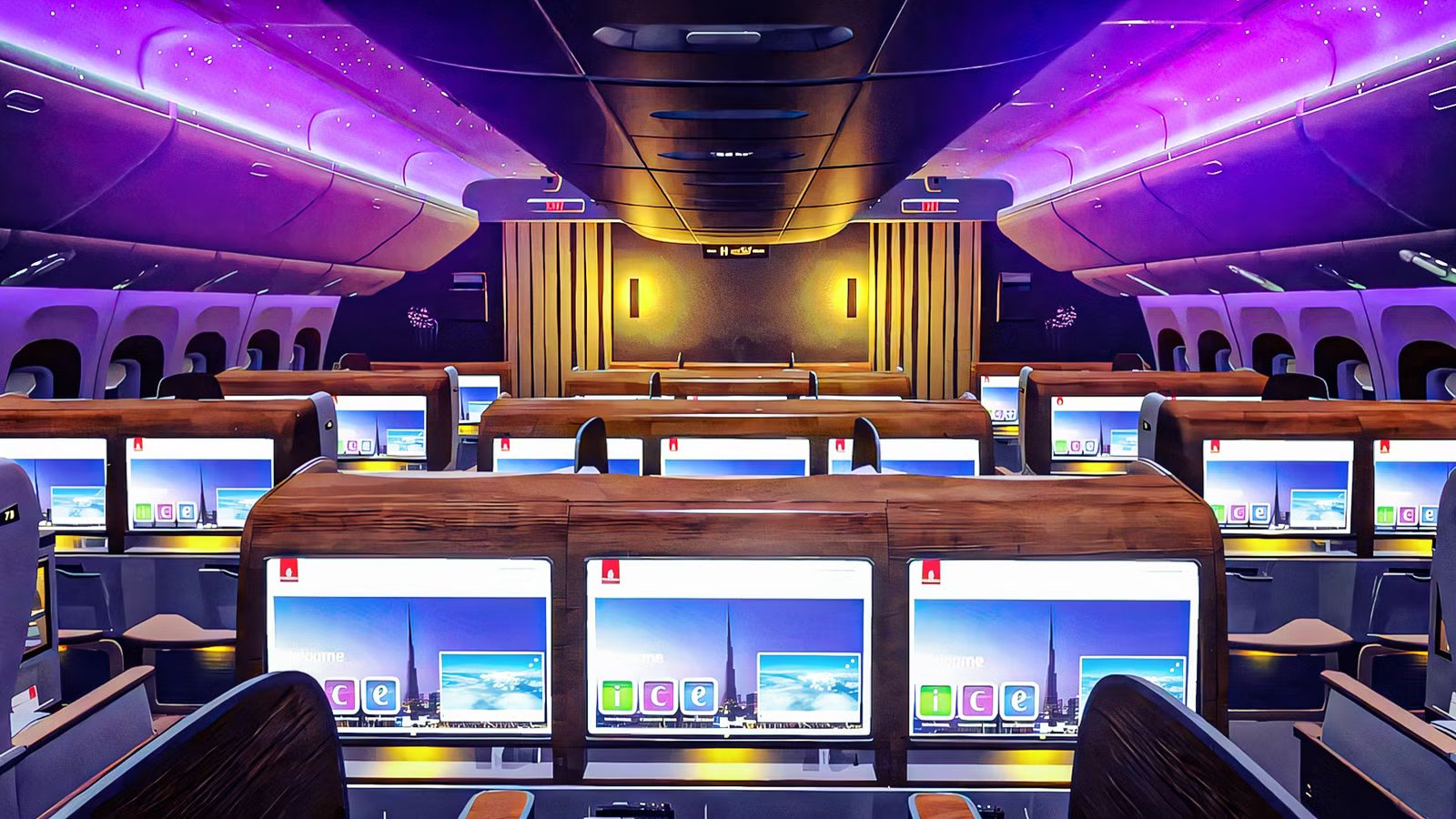
What are the benefits of flying business class on the  EmiratesBoeing 777, and does it truly live up to the ‘fly better’ marketing promise? Well, interestingly, Emirates is currently operating a split fleet: one half features a revolutionary, refurbished product that rivals the best in the world, while the other still utilizes a layout many critics consider outdated. Despite this, to provide the necessary background, it is essential to recognize that the Boeing 777 is the backbone of the Emirates fleet, serving more destinations than the iconic Airbus A380.
While the A380 is famous for its onboard bar and showers, the 777 experience has historically been more varied, ranging from the cramped 2-3-2 configuration to the stunning new ‘Game Changer’ interiors inspired by the Mercedes-Benz S-Class. This article will explore the tangible benefits of the updated cabin, from the fully flat beds and gourmet dining to the industry-leading ICE entertainment system, while clarifying the strategic differences between the refurbished aircraft and the legacy fleet that still services certain global routes.
Facing The Criticism

Flying business class on the Emirates Boeing 777 offers a luxury package of refined aesthetics and industry-leading technology, particularly as the airline nears completion of its massive fleet-wide retrofit program. In 2026, the benefit of this cabin is its transition into a private office and bedroom at 35,000 feet, moving away from the older, more crowded layouts toward a more modern 1-2-1 configuration. It provides a seamless premium experience that bridges the gap between traditional long-haul comfort and the ultra-luxury typically reserved for first class.
Supporting this experience is the ‘Game Changer’ design philosophy, which emphasizes light, airy cabins and high-end materials like soft leather and polished wood finishes. Unlike the sprawling, double-decker A380, the 777 cabin offers a more intimate atmosphere while still providing signature Emirates perks like the multi-course gourmet dining and the award-winning ICE entertainment system. For travelers, the primary benefit is the assurance of a fully flat bed and direct aisle access on refurbished aircraft, ensuring a restful journey on even the longest ultra-long-haul routes.
The 777 has been the workhorse of the Emirates fleet, but it was often criticized for its legacy 2-3-2 seating, which left some passengers stuck in middle seats. To rectify this, Emirates launched a $5-billion investment project to refresh 219 aircraft, ensuring the 777 fleet remains competitive with the world’s best business products. This shift ensures that the airline’s brand promise of ‘fly better’ is consistently delivered across its entire network, regardless of whether you are flying into a major global hub or a smaller regional airport.
New Aesthetics

The primary factor determining the quality of the Emirates Boeing 777 experience is whether the route is serviced by a refurbished aircraft or a legacy model. Emirates is aggressively updating its fleet, but the transition is not yet universal across all global destinations. This means that factors like seat configuration, aisle access, and even the presence of a small onboard social area depend entirely on the specific tail number assigned to the flight.
Beyond the physical seat, the journey’s benefits are greatly influenced by the cabin layout, technological integration, and updated soft product. In the newest 777 configurations, the shift to a 1-2-1 layout means every passenger has direct aisle access, a massive upgrade from the older 2-3-2 cramped arrangements. Furthermore, the integration of 4K screens and enhanced Bluetooth connectivity for the ICE entertainment system has become a baseline expectation for premium travelers.
|
Feature |
Legacy 777-300ER |
Refurbished/New 777 |
|
Seating Configuration |
2-3-2 (Middle seat exists) |
1-2-1 (Direct aisle access) |
|
Seat Bed Type |
Fully flat |
Fully flat (180°) |
|
Display Quality |
High Definition (HD) |
Ultra High Definition (4K) |
|
Privacy Features |
Limited dividers |
Deep seat shells & privacy wings |
|
Social Area |
None |
Small walk-up mini-bar area |
To see these variables in action, the only choice is long-haul flagship routes. Travelers on these segments often experience the ‘Game Changer’ aesthetic, which includes cream-colored leather seats and wood-grain finishes that mimic the interior of a luxury vehicle. These aesthetics directly influence the psychological comfort of the passenger, making a 12-hour flight feel significantly less clinical and more like a high-end lounge experience.

What Are The Benefits Of Flying In Emirates’ Business Class On The World’s Largest Commercial Aircraft?
From private pods to onboard lounges, Emirates’ A380 business class is the epitome of luxury.
Catching Up The A380

Industry experts and travel critics view the Emirates Boeing 777 retrofit as a necessary and aggressive move to maintain its status as a global leader in long-haul travel. Aviation analysts frequently point to Emirates’ decision to invest $5 billion into its fleet as a clear signal that the airline is prioritizing consistency across its network. The consensus among experts is that while the A380 has traditionally been the airline’s flagship, the new 777 interior is now closing the gap, offering a more intimate and technologically advanced environment for business travelers.
In a review by The Luxury Travel Expert, the new 1-2-1 layout was described as a “massive improvement”, moving the product from an ‘uncompetitive’ 2-3-2 arrangement to a genuinely world-class offering. The Points Guy also noted that while the seat itself may lack the sliding doors found on some competitors like  Qatar Airways, the refined aesthetic and Mercedes-Benz S-Class inspiration make it one of the most sophisticated cabins in the sky. It represents a major shift for the entire ecosystem, including the introduction of 4K OLED screens and high-speed Starlink connectivity.
This new cabin strategy is vital for maintaining loyalty among high-net-worth travelers who demand a predictable level of luxury regardless of the aircraft type. By aligning the 777’s hardware with the A380 and the newer A350 fleet, the airline is effectively removing the cabin anxiety that once plagued passengers booking  Boeing routes. The result is a more cohesive brand identity that focuses on the quality of the inter-modal experience, the transition from the chauffeur-driven car to the lounge and, finally, to a consistent seat.
Important Piece Of The Puzzle

The transition of the Boeing 777 into a front-line luxury product naturally invites comparison with its iconic sibling, the Airbus A380, as well as the industry-standard suites with doors from competitors. The A380 has long been the preferred choice for Emirates loyalists due to its spacious upper deck and social lounge, but the refurbished 777 is carving out a niche as the superior private option for those who prioritize a quieter, more exclusive cabin. The hardware gap between these two aircraft has narrowed significantly, as Emirates has standardized the S Lounge seat across the 777, the A380, and the newly delivered A350 fleet.
The pros and cons of choosing the 777 over other options often come down to a trade-off between social atmosphere and technological modernity. On the A380, you gain access to the famous onboard bar, a staple of the Emirates brand, but the cabin is significantly larger and can feel more bustling. The 777 offers a more intimate setting with only 38 to 40 seats, making service feel more personalized. However, even with the new updates, Emirates has opted for privacy wings rather than the fully closing sliding doors found on Qatar Airways’ Qsuite or ANA’s The Room, which may be a deciding factor for travelers who prioritize absolute isolation.
By contrasting the 777 with these alternatives, it becomes clear that Emirates is betting on aesthetic luxury and entertainment dominance over the mechanical privacy of a door. While a Qsuite passenger might have a more enclosed space, an Emirates passenger on the refurbished 777 enjoys a technologically superior ICE system and a seat finish that feels more like a private jet than a commercial airliner. This makes the 777 the strongest all-rounder for travelers who want the best of both worlds. It provides the intimacy of a smaller plane with the high-end service standards of a global giant.

You Can Now Fly Premium Economy On All Emirates Airbus A380 Flights To New York
Travelers on the Dubai-New York route are in for a treat as Emirates rolls out its highly praised Premium Economy product across all A380 flights.
Not A Full Fleet Just Yet

Despite the high-profile marketing surrounding the 1-2-1 layout, the primary risk for passengers is the ongoing transition toward the new interiors itself. Emirates is retrofitting its fleet at a rate of approximately 2 aircraft per month, meaning a significant portion of the Boeing 777-300ER fleet still operates with the outdated 2-2-2 configuration. This means that until the fleet is entirely retrofitted, there is always a chance that you may end up being inside an aircraft that is lacking in new features.
This older product features an angled-flat or early-generation lie-flat seat with a dreaded middle passenger, offering almost zero privacy and no direct aisle access for window-seated travelers. Travelers on routes like Seattle have recently seen equipment swaps to the Boeing 777-200LR, which, while being retrofitted, is exclusively a two-class configuration, effectively downgrading the premium experience on ultra-long-haul segments for those booked in first class.
Most notably, Emirates opted not to install sliding privacy doors, a feature now considered industry-standard by competitors like Qatar Airways and even on Emirates’ own A350. The addition of a non-chilled mini-bar consumes valuable real estate that could have been used for laptop or bag storage, forcing passengers to rely almost exclusively on overhead bins. Additionally, certain blind seats, such as 5A, 5K, 11B, and 11J, may lack windows due to the aircraft’s fuselage design, a detail that can frustrate aviation enthusiasts who prioritize a view.
Solidifying A Legacy

The transformation of the Boeing 777 into a front-line luxury product represents a massive strategic pivot for Emirates. The benefit of flying with this product is its hardware-and-software package that finally rivals the flagship A380 and by committing $5 billion to the retrofit, Emirates has ensured that travelers on the 777 can enjoy a modern 1-2-1 layout, 4K OLED technology, and high-speed Starlink connectivity.
The ‘Game Changer’ aesthetic has effectively turned a reliable legacy aircraft into a more intimate, refined sanctuary that bridges the gap between traditional long-haul comfort and the ultra-luxury of First Class. As a result, the Emirates experience is universally becoming far more consistent, meaning that any route that the airline serves provides an option for business class travelers that doesn’t disappoint.
The completion of this massive retrofit program alongside the further integration of the Boeing 777X will finally bring the fleet-wide consistency that premium passengers have demanded for years. As Emirates continues to align its 777, A380, and A350 interiors, the 777 will stand as a testament to how a legacy airframe can be successfully reimagined for the next decade of luxury travel.